Execution Controversy
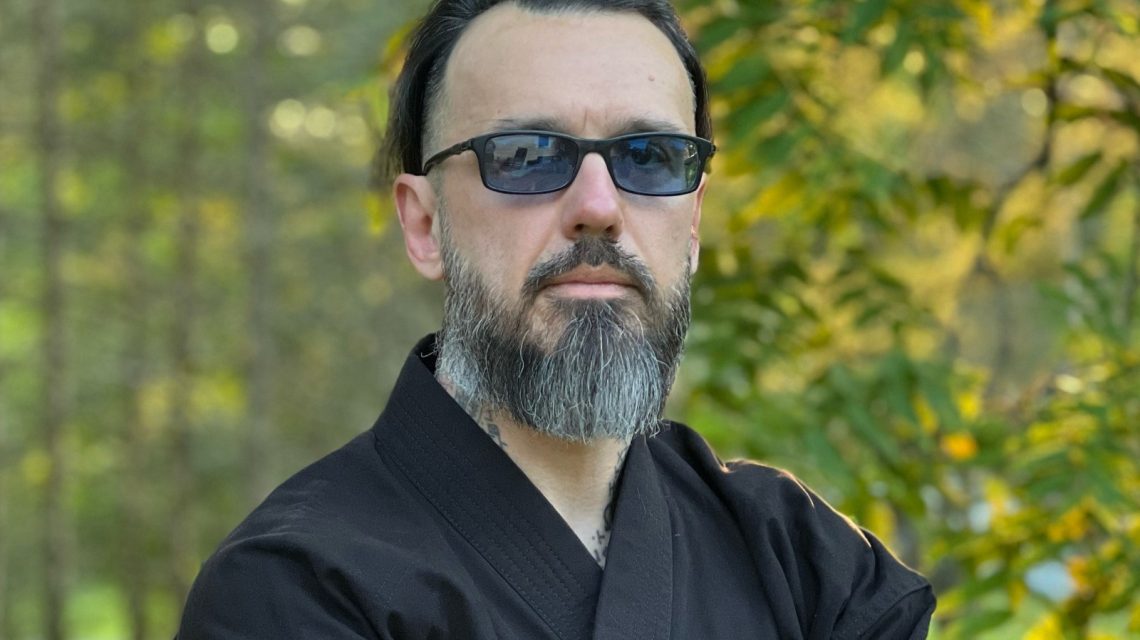
Damien Echols, released from prison after almost two decades on death row, expressed his concerns to Newsweek about the upcoming livestream execution of Fort Hood shooter Nidal Malik Hasan. Echols believes broadcasting the execution will negatively impact American society.
Background on Hasan
Hasan, convicted of killing 13 people in a 2009 shooting at Fort Hood, Texas, faces execution by firing squad on December 3. A Pentagon official confirmed the execution would be livestreamed after Defense Secretary Pete Hegseth stated the event would be public. The attack occurred during the global War on Terrorism, with Hasan citing ideological reasons for his actions. He exchanged emails with Anwar al-Awlaki, an Al-Qaeda figure, before the shooting. Hasan claimed to have “switched sides” in what he called America’s “war on Islam.”
Echols’ Struggle
Echols continues to work on clearing his name after being wrongfully convicted in the “West Memphis 3” case. He argues that livestreaming Hasan’s execution will harm society’s mental, emotional, and spiritual health. Echols’ statements coincide with a backlash against the plan, which includes opposition from some Republicans following the botched execution of Christa Pike in Tennessee.
Potential Historical First
If the plan proceeds, it would mark the first time the U.S. government broadcasts an execution. The brother of a Fort Hood victim urged President Trump to reconsider, emphasizing a desire to avoid making his brother’s death a “public spectacle.” Newsweek reached out to the White House for comment but awaits a response. The Pentagon also declined to comment on reconsidering the livestream plan.
Echols’ Views on Death Penalty
Echols, now an author and magician, shared his varied experiences with capital punishment from prison. He believes some inmates rehabilitated while others remained a threat. He is not entirely against the death penalty, acknowledging situations where it might prevent greater harm.
Warning Against Desensitization
After learning of the livestream plan, Echols went viral with a social media post urging people not to watch the execution. He warned against desensitization from repeated exposure to violence, noting the potential for the video to spread widely on social media.
Concerns Over Social Impact
Echols expressed concern about societal polarization and degradation. He fears the execution broadcast will further these trends. Additionally, he believes it could elevate Hasan’s status among extremists, creating unintended consequences akin to past unbroadcasted military operations.
Plea to President Trump
Despite not being politically active, Echols urged President Trump to reconsider the livestream decision, considering the potential harmful impact on impressionable audiences.
Trump’s Approval
Trump confirmed his approval of the livestream plan, emphasizing his support for capital punishment. He expressed indifference to the method, stating a belief in the death penalty’s appropriateness for Hasan.
Details of Execution
The Army scheduled Hasan’s execution at Fort Hood on December 3. According to Hegseth, soldiers with rifles will form the firing squad, reinforcing the message of serious consequences for such actions.
Continued Pursuit of Justice in Echols’ Case
Echols continues to seek justice in the “West Memphis 3” case. Recent DNA testing developments offer hope for identifying the true culprits behind the 1993 murders. He remains optimistic about forthcoming evidence that could conclusively resolve the case.
 Six Flags Closes Rides After Fatal Incident in Georgia
  Google and Apple Calendars Reflect Ongoing Debate Over Columbus Day and Indigenous Peoples’ Day
  Houthi Attack Leads to Fallout in Wrestling World
  Incident at Six Flags Over Georgia: One Fatality and Several Injuries
  Arizona Voters Prioritize Water Concerns in Upcoming Midterms
  Southern California Secures Safety Amid Coastal Erosion