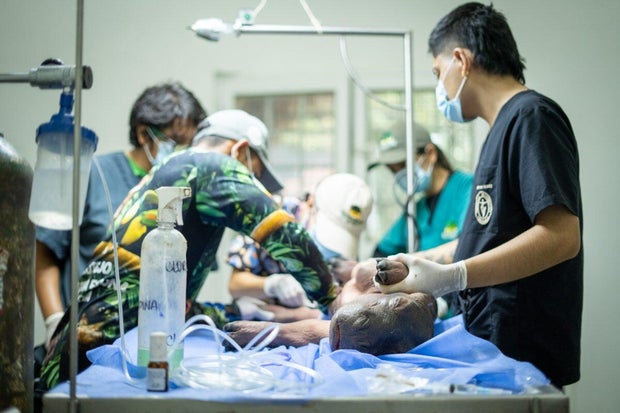
Authorities in northwestern Colombia rescued a newborn hippopotamus showing signs of malnutrition. Fishermen discovered the animal alone and hidden in the bushes along a riverbank in the Puerto Nare municipality, Antioquia. Following treatment for dehydration and malnutrition, the hippo was moved to Hacienda Napoles, a hippo sanctuary.
Colombia is home to approximately 200 so-called “cocaine hippos.” These animals are descendants of a colony introduced by Pablo Escobar in the 1980s. Originally part of Escobar’s private zoo, the hippos escaped after his death in 1993. They settled near the Magdalena River, significantly impacting the local ecosystem and posing threats to residents and wildlife.
“Because they roam freely, they end up killing fish and threatening endemic species like manatees, otters, and turtles,” said independent journalist Audrey Huse. “With no natural predators, their population is booming and affecting the ecosystem.”
The Colombian government considers these hippos an invasive species. Their large consumption of grassland and production of waste are poisoning rivers. Efforts to control their population through sterilization have failed, leading to a new plan to cull around 80 hippos. The government also explored transferring them to overseas sanctuaries, but the estimated cost of $3.5 million poses a challenge.
Colombia now hosts the largest colony of hippos outside Africa. This situation underscores the ongoing struggle with the unintended consequences of Escobar’s actions.
 California Governor Declares Statewide Emergency Ahead of El Niño Storms
  EPA Rollbacks and the Impact on Indiana Communities
  The Impact of Battery Innovations on Renewable Energy
  Challenges in California’s Home Insurance Market
 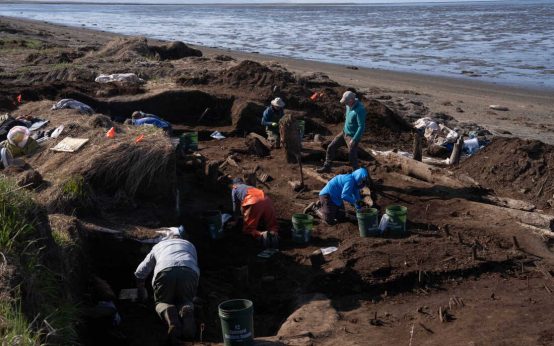 Race Against Time: Preserving Quinhagak’s Archaeological Heritage
  Managing Drying Rivers: The Need for New Approaches