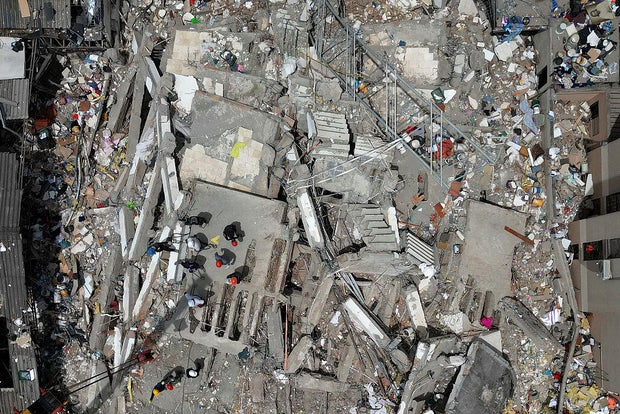
On Wednesday, regional partners began sending aid to Colombia, where efforts to find survivors amid the debris of a severe earthquake became increasingly urgent. The earthquake, which destroyed buildings, damaged roads, and caused chaos, poses a significant challenge for Colombia’s new president, Abelardo de la Espriella. Both his government and civil society are working to deliver aid to the most impacted communities.
President de la Espriella announced that the earthquake, measuring 7.4 in magnitude, resulted in at least 265 deaths when it struck the country’s west on Monday. Nearly 500 people were initially reported missing, with civilian databases suggesting the number exceeded 4,100. More than 25,800 families have been affected.
“Our efforts are focused on the disappeared,” de la Espriella stated in the capital, Bogotá.
Search teams continued their rescue operations in the hardest-hit areas including Cali, Pereira, Manizales, and Quibdo. The first 48 to 72 hours after such a disaster are crucial for finding survivors, depending on access to food and water.
Alejandro Eder, Cali’s mayor, expressed optimism on Wednesday afternoon, saying signs of life were found under the rubble. “The next 20 hours are critical,” he emphasized. Examples of rescue efforts, such as freeing 32-year-old Daniela Largo after 12 hours of work, highlight the ongoing challenge.
The situation is not without moments of tragedy. In Pereira, volunteers and rescue teams search through debris by hand, occasionally experiencing the joy of finding signs of life. Specialized equipment and dogs have detected survivors, prompting cheers from the exhausted search teams.
Fear of Aftershocks
In coffee-growing regions among the worst affected, sports arenas and schools have been repurposed into shelters. Many families sleep outdoors, either due to fear of aftershocks or loss of homes. More than 130 aftershocks have occurred since the initial quake.
Eith Penagos, a displaced resident in Pereira said, “We have the most important things: a roof, food, water, and medical care.
Rodrigo León Loya, a seismologist, addresses future seismic risks: “Colombia is full of active fault lines. An earthquake of similar magnitude is likely somewhere else.”
The response is complicated further by Choco’s existing challenges of poverty and civil conflict. Communications are down, making it hard to assess the full impact on remote communities.
Giovanni Rizzo of the Norwegian Refugee Council warned, “This earthquake compounds an already severe humanitarian situation.”
International Aid Efforts
The international response has been significant. Existing aid organizations in Choco, initially there due to the 2016 peace accord, have promptly shifted to disaster relief.
María José Torres of the U.N. noted, “Our presence on the ground allows us to be with people, increasing our ability to help tremendously.” Aid from other countries keeps coming. The U.S. provided $15 million, and Mexico sent aircraft with food and personnel. El Salvador’s president offered 100 tons of aid.
Pope Leo XIV expressed solidarity and prayer for the affected, and artists have planned a benefit concert in Miami.
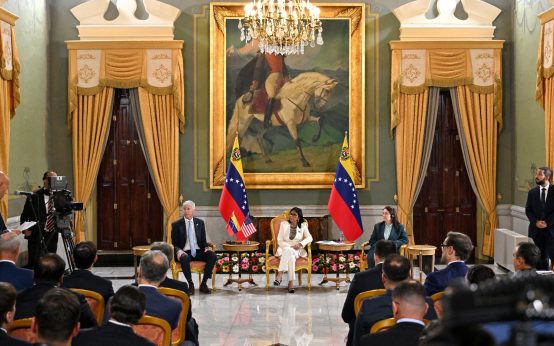 Trump Administration’s Controversial Oil Deal with Venezuela
 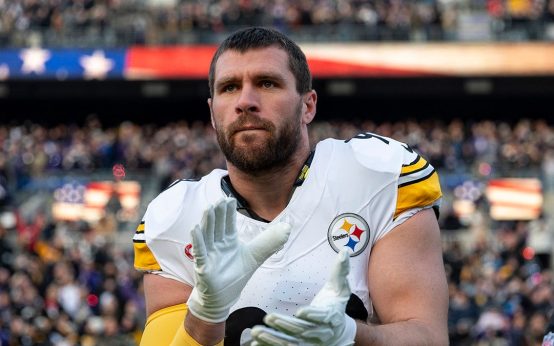 Dani Watt Questions NFL Decision to Play in France Amid Civil Unrest
  Growing Tensions: Poland’s Support for Ukrainian Refugees Erodes
  Efforts to Free American Teacher Detained in Russia
  U.S. Efforts to Release American Detained in Russia and Shifts in Southern Senate Races
  US Issues Security Warnings Amid Rising Middle Eastern Tensions