
Colombia, known as the largest producer of cocaine and a major partner of the U.S. in security matters, is in the midst of a significant presidential election. The outcome could affect narcotic flows, migration patterns, and regional stability.
Candidates and Their Platforms
An emerging favorite, Abelardo De La Espriella, offers a hardline, law-and-order approach. A businessman and attorney, he pledges to dismantle drug cartels and redefine Colombia’s security doctrine. His emphasis on aggressive counternarcotics enforcement and institutional reform marks a sharp contrast to the current government led by President Gustavo Petro, who prefers negotiating with armed groups.
“The only peace process I believe in is one imposed by the force of arms and the laws of the republic,” De La Espriella stated.
De La Espriella follows a regional trend seen in leaders like Javier Milei, Nayib Bukele, and José Antonio Kast, who rose with supporting security-first agendas amid voter dissatisfaction with crime and economic instability.
His main opponents include Iván Cepeda from President Petro’s party, who supports dialogue with armed factions and emphasizes social investment, and Paloma Valencia, a center-right candidate backed by traditional parties and economists concerned about fiscal policies under Petro’s administration.
Implications for US-Colombia Relations
Valencia promises a strategic realignment with the United States, focusing on cooperation in security, intelligence, and fighting transnational crime. Her campaign stresses the importance of strong bilateral ties for economic growth and regional stability.
José Manuel Restrepo, De La Espriella’s vice-presidential candidate, aims to restore U.S.-Colombian relations through robust security policies against drug trafficking. He envisions Colombia as a key ally in efforts to restore democracy in Venezuela.
Analysts’ Perspectives
Camilo Guzmán, a Libertank executive, believes the election may lead to a runoff between De La Espriella and Cepeda. The outcome could influence regional dynamics, with a potential shift back towards a security-oriented leadership in Latin America.
Jerónimo Uribe, son of a former Colombian president, highlights the clarity of choices in the election. He describes the race as a decision between a democracy-focused model and one aligned with drug-funded communism.
The election’s impact extends beyond national borders, as it may redefine the bilateral relationship with the U.S., especially concerning strategies against growing threats from organized crime and synthetic drugs.
 Trump Administration’s Plan to Resettle Afrikaners as Refugees
 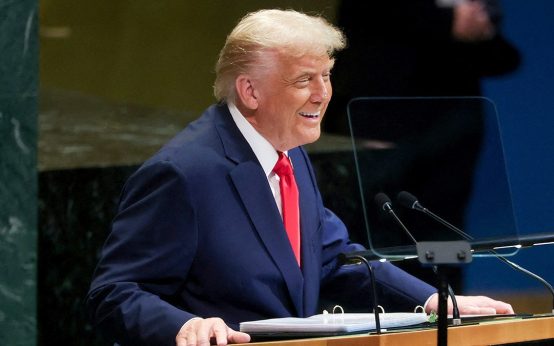 Trump’s Vision on Iran, AI, and Global Security at the UN
 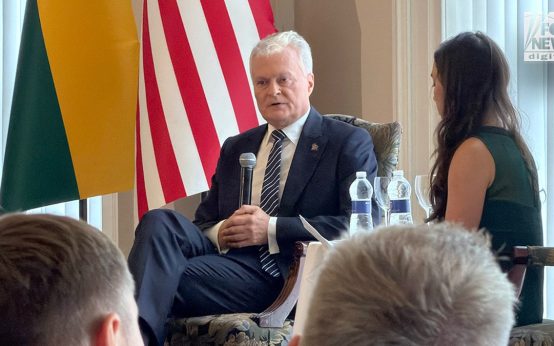 Lithuanian Leader Seeks U.S. Military Commitment Amid Rising Russian Threats
 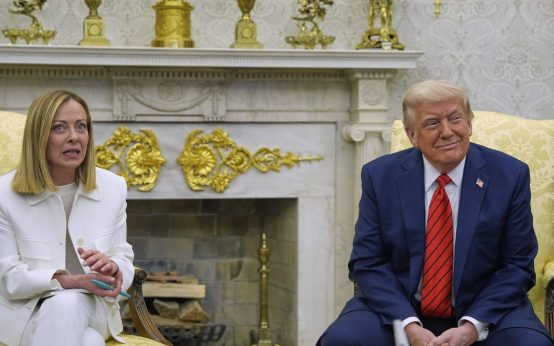 Italian PM Giorgia Meloni Skips UN General Assembly Amid Growing Tensions
 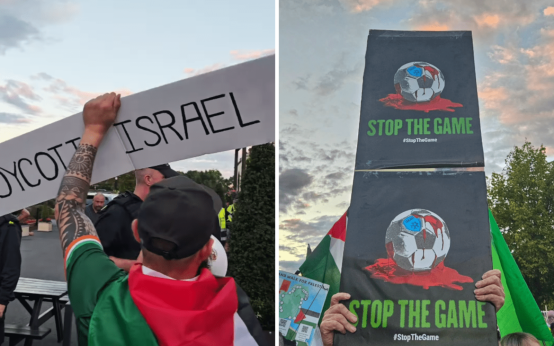 Calls Grow for Ireland’s Soccer Team to Boycott Matches Against Israel
  New U.S. Military Bases Planned in Greenland Amid Strategic Security Deal