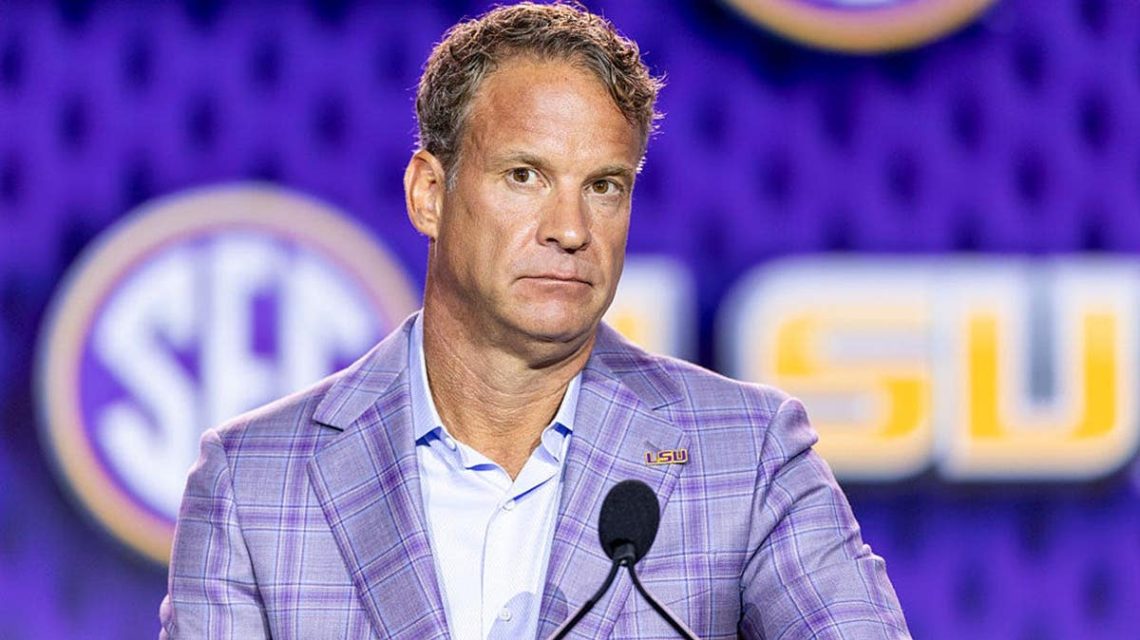
The atmosphere outside a district court near LSU’s campus was tense, as the NCAA and SEC presented their arguments concerning the eligibility of athletes with NFL affiliations seeking to return to college sports. Reporters crowded Louisiana Attorney General Liz Murrill as she arrived, with her first words being, “Go Tigers,” setting the stage for a contentious day in the 19th District Court.
LSU head coach Lane Kiffin made it clear that the team complied with a previous court order permitting the inclusion of athletes like former Cleveland Browns trainee Dae’Quan Wright on college rosters. The central issue was whether athletes with professional experience should be allowed back into college athletics.
This legal battle, originating in one state court, has now spread nationwide. Many athletes have filed lawsuits against the NCAA and the SEC, challenging the newly established five-for-five eligibility rules.
During the proceedings in Baton Rouge, legal representatives from all sides discussed whether athletes should receive a temporary injunction. Ultimately, Judge William Jorden ruled in favor of the athletes, granting them an injunction to participate in the upcoming season if accepted by any school.
The case took unexpected turns, similar to a John Grisham storyline, with intense debates about legality and fairness. SEC Commissioner Greg Sankey spent over three hours on the stand, questioned by plaintiff attorneys about the allowance of overseas professional players to participate beyond five seasons, unlike the plaintiffs affected by prior rules.
As Sankey testified, the SEC promptly filed a federal lawsuit in Alabama against LSU and Kiffin, alleging that LSU recruited athletes intending to sue in Louisiana. This sparked reactions in the courtroom when plaintiff attorney Tony Clayton probed about the morning’s federal filing in Alabama.
The SEC’s tactical move drew attention and seemed like an attempt to shift focus from Baton Rouge proceedings. The day’s events highlighted contradictions within eligibility lawsuits as SEC Commissioner Greg Sankey addressed the media a few days later at the SEC Football Media Day.
The subsequent hours combined drama and legal arguments, with plaintiffs striving to demonstrate SEC’s possible collusion in altering guidelines for professional athletes returning to college. This was a pivotal aspect that Judge William Jorden found problematic in the case.
Trey Wallace, Senior College Sports Reporter for OutKick, reported these developments, marking a significant moment in college athletics. The story underscores ongoing legal challenges shaping the landscape of college sports eligibility.
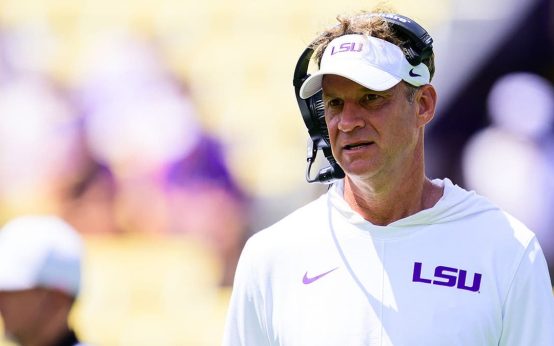 Differences Between College Football and the NFL
  Shiyazh Pete’s Impact Beyond the Game
  Netflix’s New Sports Strategy with Elle Duncan and Ryan Clark
  Will Ospreay Prepares for AEW Title Defense
 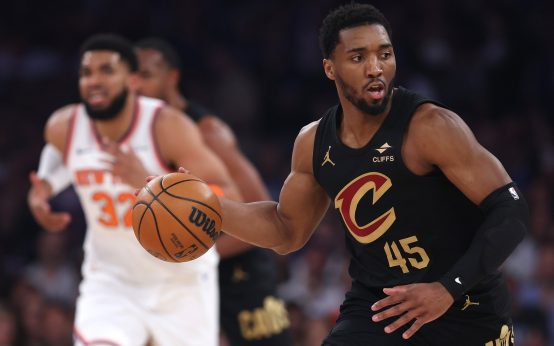 Donovan Mitchell Reflects on Playoff Loss as Cavaliers Fall to Knicks
  Concerns Arise Over Safety in Girls’ Sports Amid Legal Battles