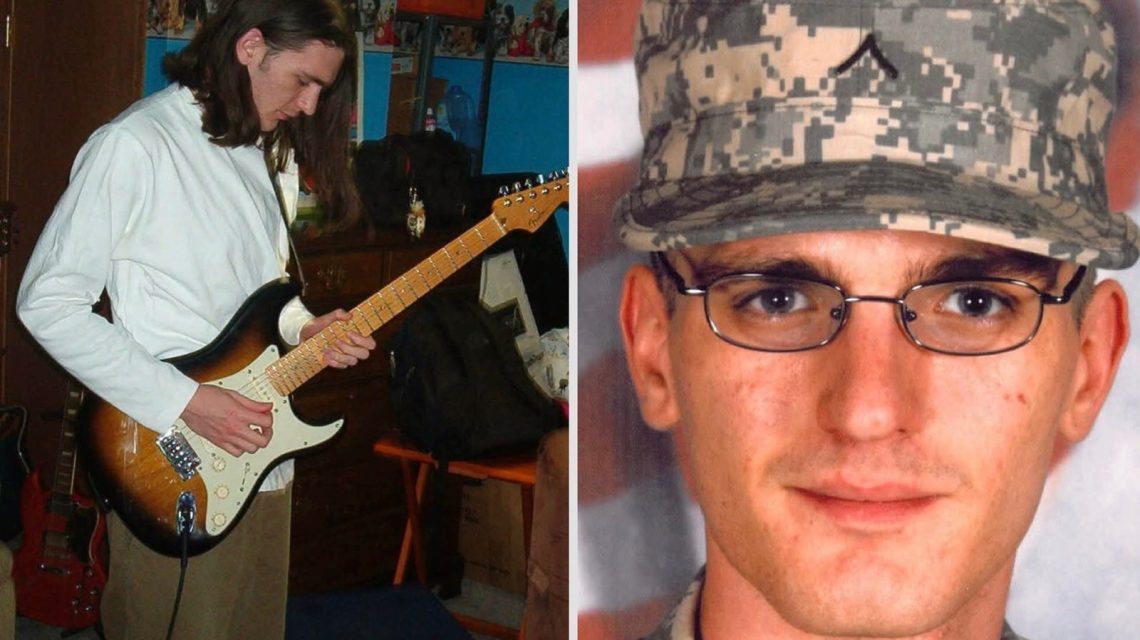
The family of a soldier killed in the Fort Hood shooting urges President Trump to rethink the decision to livestream the execution of Nidal Malik Hasan. A Pentagon official revealed plans to livestream Hasan’s execution after Defense Secretary Pete Hegseth stated it would be made public. Hasan was convicted of killing 13 people and wounding 32 others during the November 2009 shooting spree at the military base.
Family’s Emotional Plea
Kristopher Craig, whose brother Michael Pearson was killed, is writing to Trump and Hegseth, requesting they reconsider the livestream decision. Craig plans to submit his letter through the White House’s contact form and mail physical copies. Though the Pentagon declined to comment on the letter, Craig’s plea underscores the emotional impact and potential consequences of turning his brother’s death into public spectacle.
Opposition to Public Broadcast
Craig opposes the death penalty but empathizes with those supporting Hasan’s execution. He expresses concern that broadcasting the execution may not deter future violence and questions if it contributes to community safety. Craig warns against turning the execution into a public event, a practice historically phased out due to its damaging effects.
“I cannot help but wonder what purpose this broadcast is intended to serve. Will it bring my brother back? Will it restore the futures that were stolen from thirteen people?” Craig questions in his letter.
Controversy and Opposition
President Trump confirmed he approved the livestream plan, dismissing concerns about potential propaganda. Vice President JD Vance expressed doubts about the plan materializing, highlighting Hasan’s brutal crimes while refraining from committing to watching the livestream. Archbishop Paul S. Coakley and lawmakers from both parties have denounced the decision, urging reconsideration.
Execution Details
Scheduled for December 3 at Fort Hood, Hasan’s execution by firing squad would be unprecedented if livestreamed. Hasan’s conviction stems from a 2009 attack aimed at preventing soldiers from deploying to Afghanistan. Despite prior executions after World War II, Hasan’s execution as a public event remains contentious.
Experts’ Concerns
Executives like Robin Maher and Austin Sarat assert that livestreaming would make brutality a public spectacle without real educational value, instead instigating terror. Such awareness challenges the dignity owed even to those committing heinous crimes.