
The Democratic Senate primary in Michigan was intensely competitive and a reflection of ideological differences within the party. Dr. Abdul El-Sayed, known for his progressive views, maintained a slight advantage over Representative Haley Stevens, a moderate, early Wednesday.
Both candidates sought to rally support post-midnight. Stevens expressed optimism despite the narrow margin. El-Sayed’s speech emphasized resilience against substantial financial odds and aimed to heal Party divisions.
The winner will face Republican former Representative Mike Rogers in the general elections, replacing retiring Senator Gary Peters.
Results were varied across other Democratic primaries. In Missouri, Representative Wesley Bell overcame Cori Bush, a democratic socialist. However, progressives did win a primary in Lansing, with William Lawrence defeating two centrist Democrats.
- Detroit awaited results from Representative Shri Thanedar’s race against State Representative Donavan McKinney.
- Washington State: Representative Marie Gluesenkamp Perez advanced in the primary system.
- Kansas: Cindy Holscher and Ty Masterson compete for governorship.
- Virginia: Elaine Luria faces Jen Kiggans in a key House race.
Poor polling forecasts in the Michigan Senate race were evident. Despite El-Sayed’s previous favorable poll margins, Stevens had strong support in Wayne County, where a significant number of ballots remain uncounted.
State Senator Mallory McMorrow, who withdrew from this race, gave a glowing endorsement to El-Sayed, reinforcing party unity against upcoming Republican challenges.
Counties like Macomb and Genesee showed mixed reporting statuses, influencing the race’s tight dynamics. Mail ballots might favor Stevens, though progressives have seen benefits from such ballots in different regions.
El-Sayed reiterated the importance of unity within the Party, contrasting it against Republicans Mike Rogers and Donald Trump’s projected narratives.
In reflection, strategic candidates and their distinct platforms will be key in the remaining phases of these primaries and the competitive general elections.
As ballots continue to be processed, Stevens and El-Sayed stay optimistic. Community and expert analyses suggest fierce debates and campaign strategies will mark the lead-up to November’s election.
Missouri voters rejected proposed constitutional amendments affecting initiative petition processes. This decision maintains existing paths for citizen-driven measure advocacy.
Michigan’s insights signify evolving strategies, like El-Sayed’s addressing corporate influences and messaging styles through innovative channels.
Nationally, Republican endorsements see stark wins and challenges, influencing governorship nominations like that of Representative John James in Michigan.
Overall, as primary results unfold, there remains focus on dynamics between voters and representatives across diverse political spectrums, anticipating far-reaching outcomes during the general elections.
 Lukashenko and Putin’s Unique Relationship and Belarus’ Strategic Role
 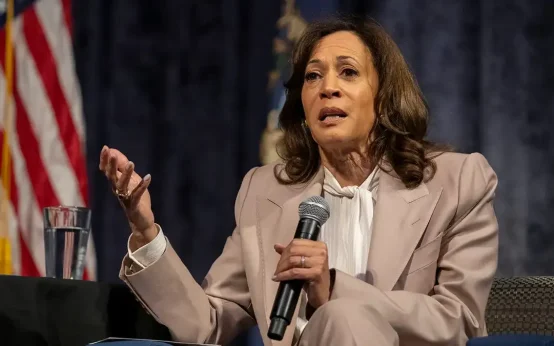 Harris Discusses Potential 2028 Presidential Run
  Far-Left Groups Allegedly Organize Protests in Austin
 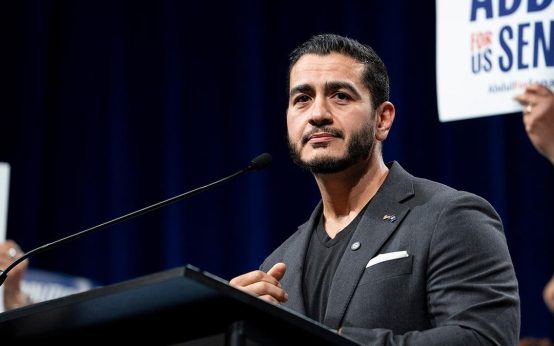 Michigan Senate Nominee Abdul El-Sayed Criticized for Remarks on Reproductive Rights
 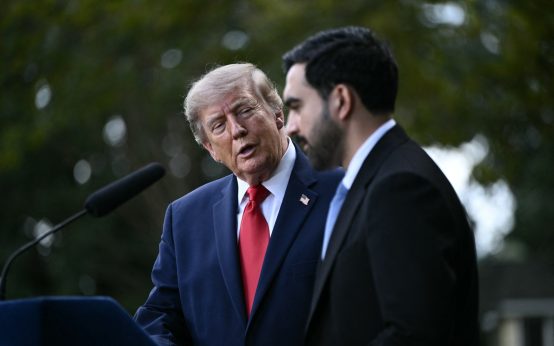 Poll Reveals Voter Preferences Between Socialist Democrats and MAGA Republicans
  Challenges of Electing a Female President: Insights from ‘The View’