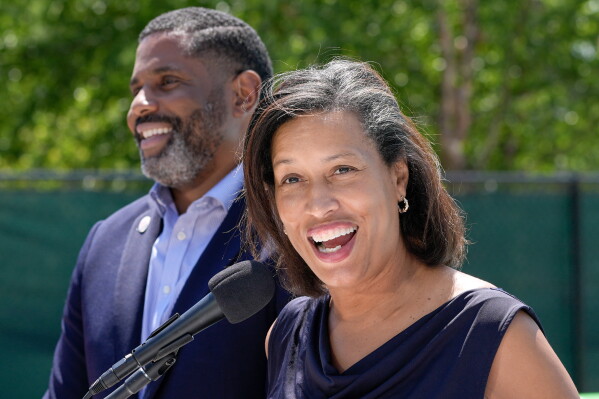
One year ago, President Donald Trump declared a crime emergency in Washington, pledging to transform the city and deploying the National Guard. Initially intended as a temporary measure, the deployment has now been extended to January 2029. This decision is viewed by many residents and officials as federal overreach, challenging the autonomy of the predominantly Democratic city.
Scott Michelman from the ACLU of the District of Columbia criticized the deployment, stating that it seemed unwarranted. Despite a lack of actual emergency, National Guard members remain visible in the community. Their presence has supported various initiatives, and some residents appreciate these efforts.
A Defense Department estimate puts the cost of extending troops until 2029 at $1.4 billion. The Congressional Budget Office approximated the first year’s expenditure at $660 million.
White House spokeswoman Abigail Jackson praised the initiative, attributing over 13,000 arrests to the surge. Metropolitan Police Department statistics show a 20% drop in overall crime, challenging the notion that crime reduction is solely due to federal involvement.
D.C.’s political candidates must now confront the extended federal intervention. They seek ways to maintain local autonomy, given restrictions imposed by the Home Rule Act. The city’s political structure gives Trump significant control over the police and National Guard.
Recent Democratic primaries highlighted the autonomy debate. Pro-statehood candidates like Janeese Lewis George and Robert White Jr. gained prominence. White plans to mobilize an army of residents to influence congressional districts and advocate for D.C.’s independence.
Outgoing Mayor Muriel Bowser has prioritized public safety and the protection of home rule. Her administration seeks to balance criticisms with strategic diplomacy to preserve D.C.’s limited independence.
Concerns linger about the implications of troop presence during future elections. Some residents like Donna Powell question the necessity of the National Guard, suggesting funds could be redirected to healthcare and family support.
Activists like Alex Dodds express alarm over the deployment’s potential impact on electoral processes, especially with historical events such as Jan. 6 still fresh in memory.
 Detroit Free Press Endorses Abdul El-Sayed in Senate Race
  Texas Senate Race: Talarico vs. Paxton Polling Insights
  GOP Lawmakers Urge Action on Cost of Living Before Elections
  White House Struggles to Address Rising Prices Amid Voter Concerns
  Holding Washington Accountable: Combatting Corruption and Self-Enrichment
  Court Order Leads to Removal of Trump’s Name from Kennedy Center