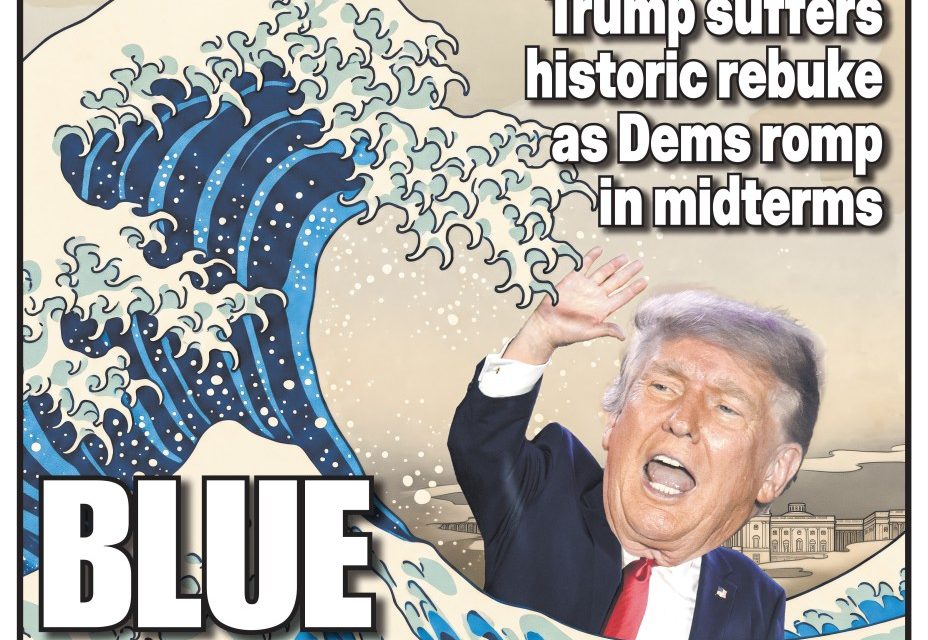
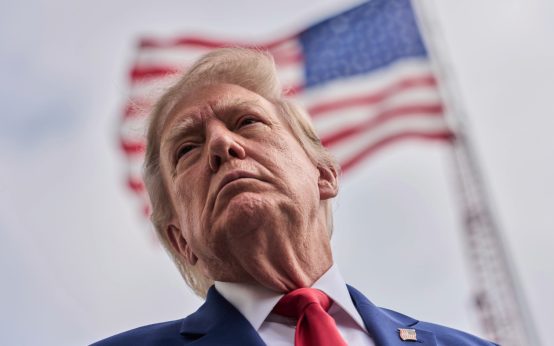
The results from Tuesday’s elections signaled a profound shift in the political balance, delivering significant changes to the Republican dominance. This was a resounding message to the current administration.
Recent polling data had already indicated widespread public dissatisfaction with both President Trump and the GOP Congress. These polls suggested a strong possibility that the House would change hands, which occurred early in the evening. Moreover, the GOP’s control over the Senate was decisively overturned.
President Trump had urged his supporters to approach the election as if his name were on the ballot, intending to rally Republican voters. However, this call seemed to resonate more with Democratic and independent voters, who turned out in large numbers to express disapproval.
Signs of dissatisfaction had been apparent for months. The president’s approval rating was stagnating below 40%, largely due to discontent over the Iran war and its effect on energy and inflation. Despite these warnings, Trump dismissed polls and public grievances as “fake news.” This misreading of the public mood contributed to the electoral outcome.
A previous AP poll had found that 65% of adults assigned blame to Trump for rising prices, with only 17% approving of his handling of economic issues. The significant voter turnout against the GOP highlighted this discontent, marking it as more than a routine vote against a party and its leader.
This scenario of presidents facing electoral setbacks during midterms is not new. In 2014, Barack Obama encountered similar losses. Republicans gained nine Senate seats and saw substantial increases in the House during his time.
Despite these patterns, Trump experienced different challenges. In his first term, the House majority was lost, leading to Democrat gains and subsequent political battles like impeachment. Republicans did gain two Senate seats in 2018, which proved crucial in judiciary appointments.
Moving forward, the administration faces new challenges. Accepting responsibility and signaling an intent to serve public interests could provide a path forward. Addressing issues such as tariffs, self-branding, and governance could prove beneficial.
With the Democrats gaining power, scrutiny of the administration is likely. Rep. Robert Garcia, likely chair of the House Oversight Committee, has already issued a direct warning by advising to “lawyer up.” This indicates a proactive stance from the Democrats in oversight.
In New York, the Democratic influence was evident with Governor Hochul’s commanding re-election. The election results further entrench Democratic power in the state, highlighting a shift that reflects the broader national trend.
As the political landscape changes, the implications for future governance and policy direction are significant.
 Election Updates: Key Results and Analysis
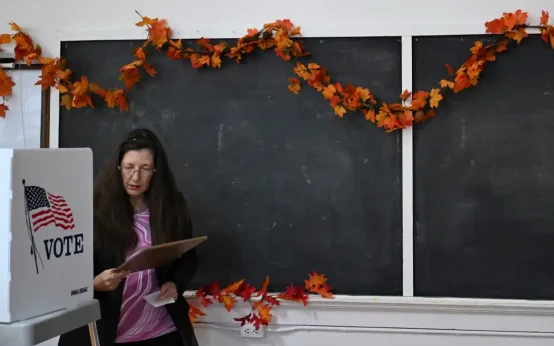 Demographic Voting Patterns in Midterm Elections
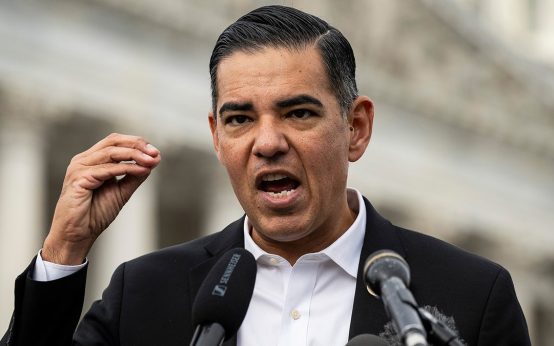 Democrats Prepare Extensive Probes of Trump Administration Following Midterm Wins
 Elon Musk’s Political Gamble in Texas Backfires
 Democratic Victory in 2026 Midterms and Its Impact on Trump and the Republican Party
 GOP Faces Defeats as Democrats Gain Power in Recent Elections