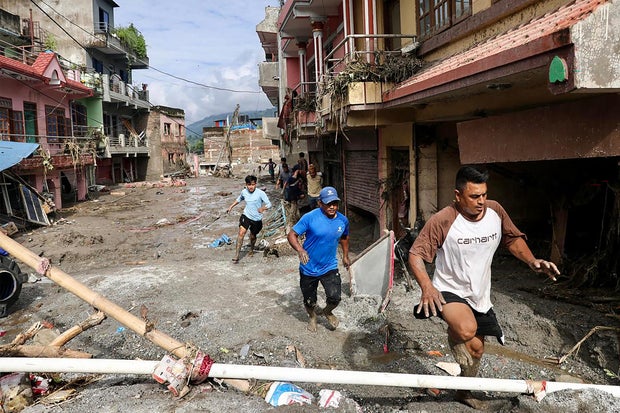
Rescue teams are vigorously searching for hundreds of missing people along the Nepal-China border. A catastrophic flood swept through several communities due to a glacial collapse. The National Disaster Risk Reduction and Management Authority in Nepal reported 826 people missing, and the death toll rose to 165 as of Thursday.
Nepalese authorities intensified rescue efforts in Nuwakot and Rasuwa districts, the hardest-hit areas. Chinese broadcaster CCTV reported 558 people missing in Tibet, including 260 foreigners. Two villagers have been rescued, with at least three fatalities confirmed by Thursday morning.
Impact on the Region
Flash floods pummeled villages, striking homes, roads, bridges, and power plants. Videos show torrents of water demolishing bridges and buildings. Drone footage revealed roads destroyed and structures buried. Steep valleys, crucial for the economy and transportation, proved precarious during the disaster.
Images from Nuwakot show buildings covered in mud, vehicles buried, and stunned survivors caked in debris. Travel halted, and residents had insufficient warning. Shoyam Rajbhandari, a local resident, recounted, “When I reached Dhunge bazaar, in half an hour, the flood came and damaged all the market.”
Rescue and Relief Efforts
Nepal mobilized army and private helicopters for rescues. Over 100 people were saved from flood-affected areas on Thursday, according to army spokesperson Brigadier General Raja Ram Basnet. Foreign nationals were airlifted to Kathmandu, including those trapped at the Trishuli hydropower facility.
In Tibet, roads near Gyirong Port suffered extensive damage from mudslides. Communication lines are down, and continued rain poses the threat of more collapses. CCTV reported discovering a barrier lake, complicating rescue efforts. China deployed military transport aircraft to the area.
The U.S. Department of State expressed solidarity with Nepal, offering humanitarian support and a $500,000 grant to Catholic Relief Services.
The Dalai Lama extended condolences and prayers for the victims, as reported by AFP. He expressed sympathy for those affected in a public statement.
Causes and Consequences of the Disaster
The U.S. Geological Survey initially reported a magnitude 4.4 earthquake but later identified the cause as a magnitude 5.2 glacial collapse. The collapse unleashed debris, inflicting catastrophic impacts. This conclusion is supported by seismic data and satellite imagery.
Climate experts attribute the flash floods to an avalanche from a glacier. They recorded unprecedented water level rises on the Trishuli River, indicative of an extreme flood event.
Climate Change and Regional Risks
The disaster highlights growing threats from climate change. The Lhende Khola River has flooded twice in 14 months. These events point to increasing instability of the Himalayan ice system, affecting communities and infrastructure.
The Himalayan region, home to some of the world’s highest peaks and many glaciers, faces heightened risks from extreme weather. Monsoons and melting glaciers are more frequent due to warming driven by climate change.
Studies report accelerating glacier melt rates in the Hindu Kush Himalaya. The global threat of melting glaciers demands urgent attention.
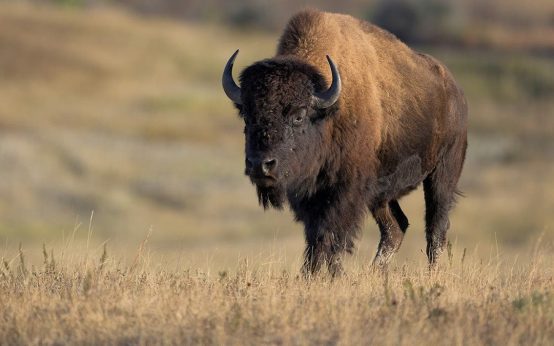 Bison Attacks in Yellowstone: A Growing Concern
 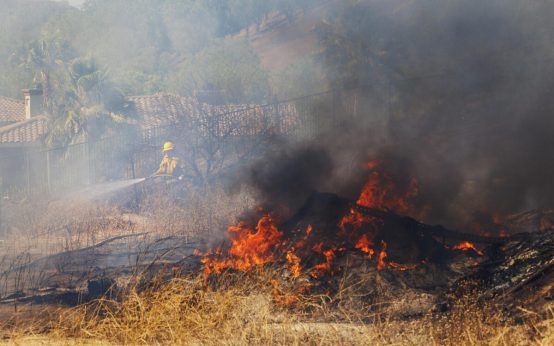 California Residents Face Challenges from Wildfires and Rising Sea Levels
  Federal Judge Orders Testimony in Tree-Removal Case
 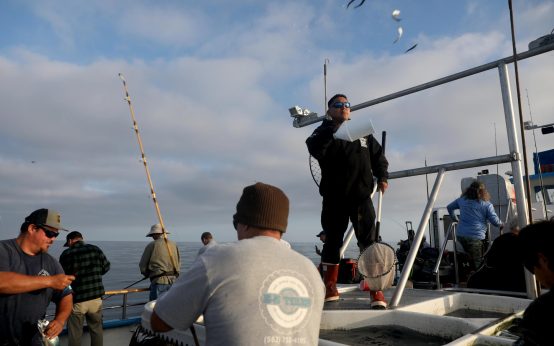 Super El Niño Boosts Unusual Fishing Season Off California Coast
 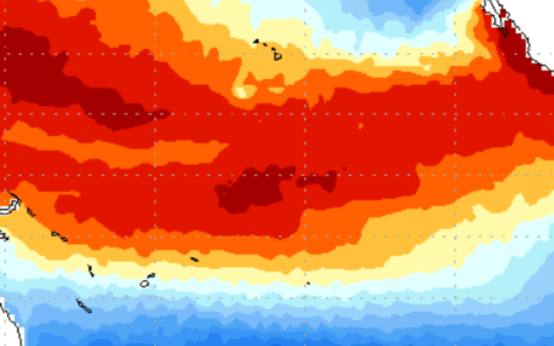 El Niño’s Impact on Pacific Ocean Temperatures
  Arizona Voters Prioritize Water Concerns in Upcoming Midterms