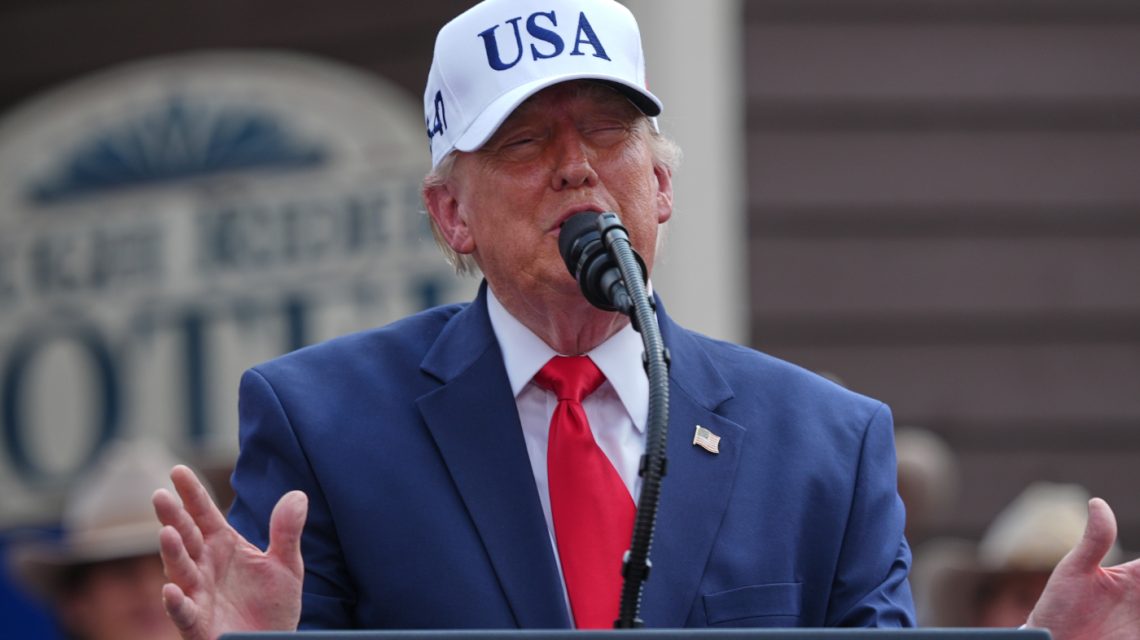
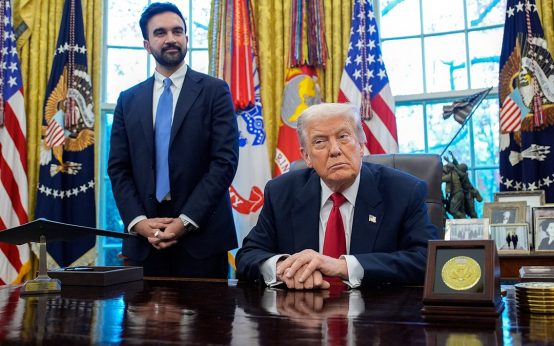
President Donald Trump recently addressed the opening of the Theodore Roosevelt Presidential Library in Medora, N.D. Meanwhile, Secretary of State Marco Rubio visited Abu Dhabi, marking his first trip to the Gulf amid ongoing tensions related to the Iran conflict. Rubio emphasized the importance of considering Gulf states’ perspectives in U.S. decision-making, a sentiment appreciated by many but overdue.
The Gulf states faced significant hardships during the Iran war, suffering from missile and drone attacks aimed at crucial sites. Their economies were further strained by Iran’s closure of the Strait of Hormuz. Despite needing support, U.S. leadership was absent when they required allies most, as Trump initiated the conflict against their warnings.
Rubio’s recent diplomatic efforts highlight progress yet expose past foreign policy mistakes. The lack of consistent diplomacy represented a flaw in the U.S. war strategy, leading to a memorandum of understanding that favored Iran’s conditions. The absence of a united diplomatic front diminished America’s influence.
America’s strength lies in its global alliances, which encompass vast diplomatic, military, and economic capabilities. However, Trump’s approach lacked coalition-building. His unilateral decision for war affected Gulf states, European and Asian economies, pushing allies away when U.S. needed collaborative efforts the most.
NATO allies refused to offer military aid, reflecting accumulated grievances over tariff disputes and other tensions, leaving America isolated in its time of need. The misstep underscores the necessity of cultivating alliances through mutual respect and cooperation.
To mitigate impacts of the conflict, focused diplomatic efforts are essential, particularly in two key areas: governance of the Strait of Hormuz and negotiations over Iran’s nuclear ambitions. The memorandum urges reopening Hormuz but leaves unclear governance, requiring U.S. diplomatic strength to reestablish its pre-war status.
Possible negotiations aim to disarm Iran’s nuclear capabilities, with shared goals among Gulf, European, and Asian partners. A joint coalition could enhance negotiating power, demanding restrictions on uranium enrichment and curtailing Iran’s proxy funding.
Rubio and Gulf counterparts recently issued a powerful joint statement, a positive step towards a reinvigorated U.S. foreign policy strategy. Following America’s 250th Independence Day, embracing global opinions could foster better interests.
John Hannah, senior fellow at Jewish Institute for National Security of America and former advisor to Vice President Dick Cheney, emphasizes this strategic shift. Copyright 2026 Nexstar Media Inc.
 Ontario Synagogue Shooting During Yom Kippur Leaves One Officer and Shooter Injured
 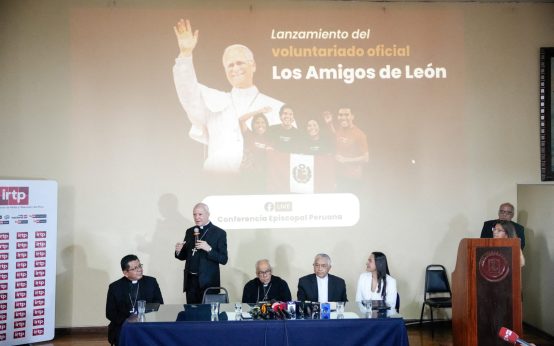 Pope Leo XIV’s Upcoming Visit to Latin America: An Overview
 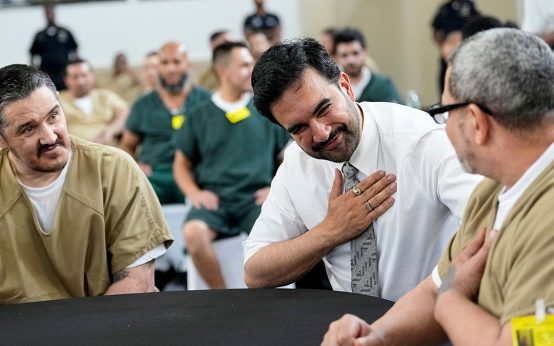 Zohran Mamdani Faces Backlash at Staten Island Event
 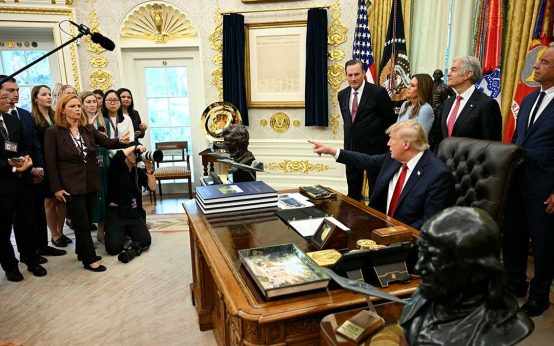 Legal Battle Over Media Ban at White House
  Governor Pritzker Addresses Hasan Piker Controversy
  Trump and NYC Mayor Mamdani: Political Divides and Collaborative Efforts