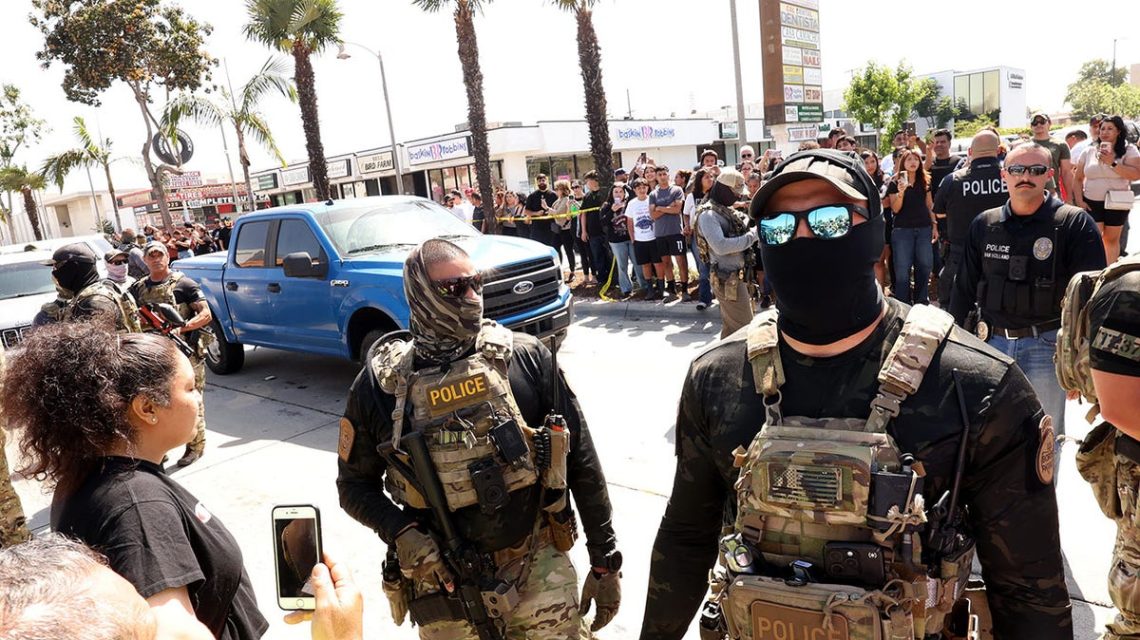
The Department of Justice (DOJ) has filed a lawsuit against the state of Virginia over its new policies that inhibit Immigration and Customs Enforcement (ICE) operations. These include a contentious ban preventing federal agents from wearing masks during enforcement activities. Acting Attorney General Todd Blanche has expressed concern that these laws put federal officers in danger.
In an unrelated but simultaneous issue, the Foreign Intelligence Surveillance Act (FISA), a vital anti-terrorism resource, faces possible expiration. Congressional inaction has sparked concerns regarding national security. Analysts Shannon Bream and Jim Jordan have discussed the political deadlock and anticipated repercussions.
A federal judge interrupted Virginia’s enforcement of the law, which barred ICE and Border Patrol agents from wearing masks during their operations. Senior U.S. District Judge Robert E. Payne sided with the Trump administration, issuing a preliminary injunction that stalls the law’s implementation during the lawsuit. The judge determined that the policy likely violates the Constitution’s Supremacy Clause by trying to govern federal immigration enforcement.
The DOJ asserts Virginia’s actions could threaten the safety of federal employees carrying out immigration duties. It claims the law could expose federal officers to real physical harm. This legal move counters two Virginia laws signed by Democratic Governor Abigail Spanberger.
“Law enforcement officers risk their lives every day to keep Americans safe, and they do not deserve to be doxed or harassed simply for carrying out their duties,” said Acting Attorney General Todd Blanche.
The DOJ argues these laws would impose criminal penalties on masked agents, jeopardizing federal-local cooperation. If implemented, federal agents could face Class 1 misdemeanors, with penalties including up to 12 months in jail or a $2,500 fine.
Virginia officials, including Attorney General Jay Jones and Fairfax County Commonwealth’s Attorney Steve Descano, are named in the lawsuit. Governor Spanberger has also stopped state cooperation with federal immigration authorities, nullifying an executive order from the prior governor, Glenn Youngkin.
The judge’s injunction currently only applies to the mask and identification law. A separate dispute about agreements governing immigration enforcement between federal and local authorities will be considered in an upcoming hearing on August 3.