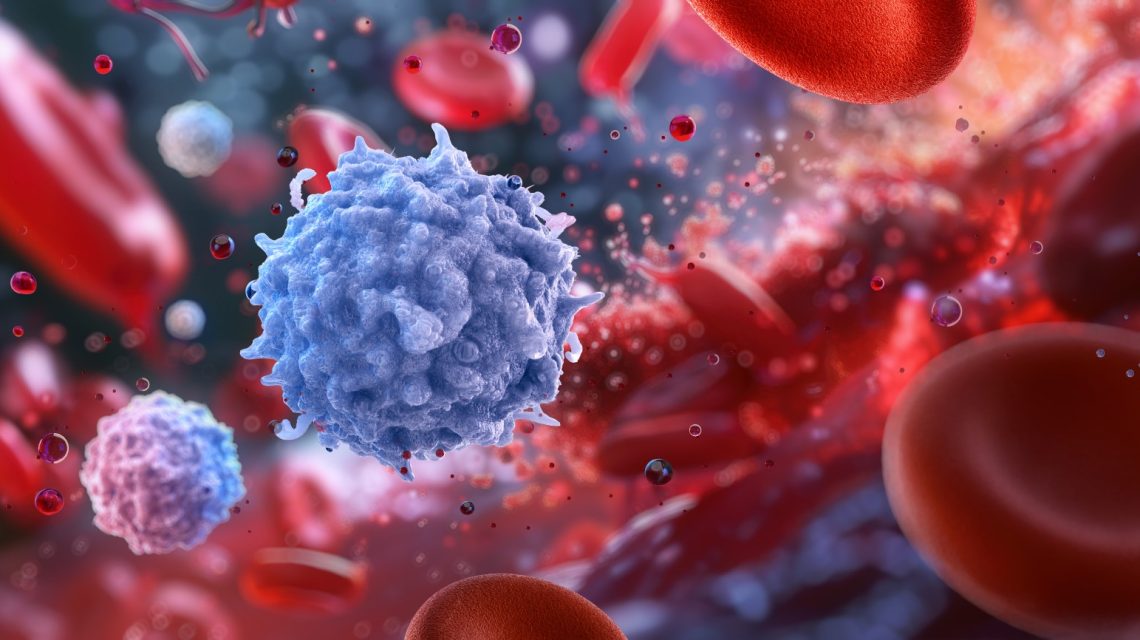
Predictive Changes in White Blood Cells
Scientists have discovered alterations in white blood cells that may forecast how melanoma patients will respond to treatment. Melanoma is the most lethal type of skin cancer. Researchers suggest this discovery might help physicians identify those who will benefit from immunotherapy.
The study reviewed a sample of 24 patients. Although the small number implies these results are an initial step, they hold potential. The research from King’s College London (KCL) highlights a promising line of inquiry into melanoma therapy.
B cells have emerged as critical contributors to survival and treatment outcomes in melanoma. In-depth studies of these cells may provide important insights to help address the current clinical challenges in melanoma treatment. Studying immune cells from patient blood samples allows for a much less invasive method than biopsies.
Lucy Booth, a doctoral candidate at KCL and the study’s lead author, emphasized that analyzing B and T cells displayed unique immune traits in patients. These traits might signal future disease biomarkers.
Melanoma Context
Melanoma ranks as the fifth most prevalent cancer in the U.K. The American Cancer Society estimates approximately 112,000 new melanoma cases in the U.S. this year. Early detection greatly increases treatability; however, if unchecked, it remains among the deadliest skin cancers.
Traditional melanoma treatments encompass surgery and targeted therapy and immunotherapy. Immunotherapy, leveraging the body’s immune system to target cancer cells, has changed the prognosis for numerous advanced melanoma patients.
Study Insights
Nonetheless, close to 50% of patients do not benefit from immunotherapy, and some suffer adverse side effects. Until now, predicting treatment response and associated risks was unfeasible.
Researchers from KCL and Queen Mary University of London studied two types of white blood cells: B cells, which generate antibodies, and T cells, which directly attack cancer cells. They identified synchronized changes within these cells correlating with patient outcomes.
Patients who demonstrated renewed B and T cell activity and expansion within six weeks of starting immunotherapy reported better outcomes, including increased survival rates. Conversely, immature or ineffective B cell function related to poorer outcomes. Additionally, patients whose immune cells showed reduced pre-treatment anti-cancer response often had less favorable survival metrics. Specific T cell subtypes were associated with side effects from treatment.
Significant variability in immune cell levels was noted among patients, potentially explaining diverse treatment responses.
Using mass cytometry, researchers analyzed blood samples from 24 melanoma patients and 25 healthy individuals at various points before and during treatment. This method allowed for the identification of rare cell populations and their evolution. For the first time, this work studied circulating B and T cells in such detail in melanoma patients’ blood.
Booth emphasized the potential application of blood immune profiling in clinical settings to improve patient monitoring and early intervention for melanoma.
 Family Files Lawsuit Following Tierra Walker’s Death Due to Preeclampsia
  Concussions Increase Alzheimer’s Risk in Older Adults
  Porsha Williams Opens Up About Her Health Journey
  Communicating with Children about Weight Loss Medications
  Successful Separation of Ethiopian Conjoined Twins
  AI Integration in Healthcare: Navigating Challenges and Opportunities