Debate over Vaccine Safety
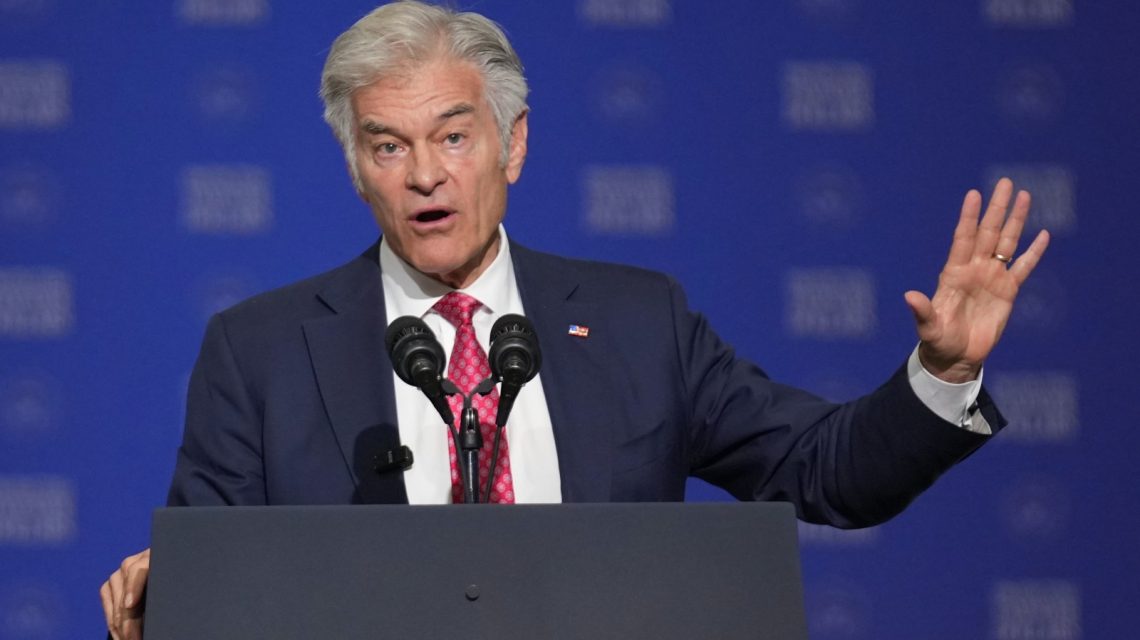
Centers for Medicare and Medicaid Services administrator Dr. Mehmet Oz contradicted the administration’s messaging, affirming that the combined MMR vaccine is not lethal. Discussing the issue on CBS News’ Face the Nation, Oz responded to President Donald Trump’s recent executive order suggesting the MMR vaccine be split into separate measles, mumps, and rubella doses. Trump had stated the combined vaccine could be lethal, though he provided no evidence for this claim. Merck, the vaccine’s manufacturer, indicated separate shots wouldn’t be available for at least a decade.
When CBS host Margaret Brennan asked Oz to clarify Trump’s statement, Oz emphasized the safety of the MMR vaccine, noting that measles vaccines are administered separately in countries like Japan. Japan removed the MMR vaccine in 1993 due to a mumps strain causing aseptic meningitis, continuing vaccination for measles and rubella with an optional mumps shot. The administration’s directive was among the most public disagreements with Trump’s vaccine rhetoric by a senior health official.
Current Vaccination Trends
Oz’s comments came as federal health agencies stressed the importance of maintaining high vaccination levels. CDC data indicates 92% of U.S. kindergarteners were vaccinated in the last school year, below the required 95% for herd immunity against measles. Health organizations argue the combined MMR vaccine is safe, effective, and preferable to separate doses. President Trump also speculated on a link between vaccine division and autism rates, contradicting extensive research discrediting such a connection.
The U.S. faces its highest measles case numbers in over 30 years, with CDC reporting 2,777 confirmed cases nationwide as of August 20.
Executive Order Implications
The executive order directs the HHS to split the MMR vaccine and encourages spacing out all childhood vaccinations into separate appointments. Trump believes individual vaccines are effective and not lethal. Public health groups argue this order lacks scientific basis and risks increasing vulnerability to preventable diseases. Senator Bill Cassidy, a physician, criticizes the order for potential hesitancy and exposure risk.
Availability of Separate MMR Shots
Despite the executive directive, separate MMR vaccines aren’t currently available in the U.S., with manufacturers showing little interest in their production. The CDC schedule, updated monthly, remains unchanged, continuing to recommend combined MMR doses at ages 12–15 months and 4–6 years. CDC officials note they are assessing the order, awaiting further guidance from the HHS.
State health departments continue to advise following the CDC’s existing vaccination schedule, highlighting the current outbreak and combined vaccine’s proven effectiveness.
 Infrastructure Challenges and the Uncertain State of America’s Bridges
  Ebola Outbreak Updates: Kenya and Democratic Republic of the Congo
  Preventable Cancer Cases Linked to Infectious Diseases
  Pennsylvania at the Center of U.S. Measles Outbreaks
  The Value of Trained Advocates in Patient Rehabilitation
  Federal Focus on Kratom-Derived Products