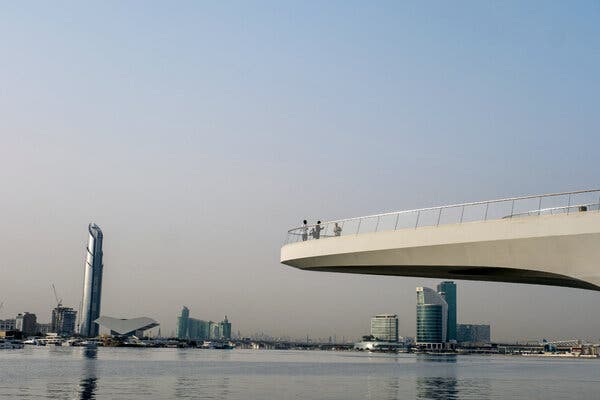
Dubai has long positioned itself as a global hub, akin to Switzerland, offering stability and refuge from regional conflicts. Unlike its neighbors, Dubai focused its economy on trade, tourism, finance, and logistics rather than oil.
On February 28, this image was shattered when Iranian drones and missiles hit, causing significant damage. The Burj Al Arab, known for its unique sail shape, was among the affected structures and remained closed three months later. Meanwhile, the Jumeirah Al Qasr sustained its elegant appearance but saw little activity.
The resulting impact on air and maritime trade posed a serious threat to Dubai’s economy. Stability, once a hallmark of the city’s success, faced a stern test.
Jim Krane, a fellow at Rice University and author of “City of Gold: Dubai and the Dream of Capitalism,” emphasized that Dubai’s strength comes from its role as a crossroads for global talent and business. Yet, this openness also means vulnerability when crises arise, as capital and people can rapidly leave.
Even as repair efforts continue, the question remains whether Dubai can swiftly recover and retain its status amid ongoing challenges.
 Federal Appeals Court Decision Against Trump’s ‘Third-Country’ Deportation Policy
  Ed Sheeran’s Philadelphia Concert Amid Controversy
 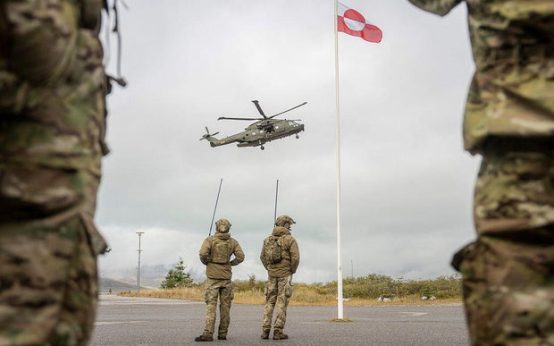 U.S. Secures Strategic Control Over Greenland
  U.S. Security Agreement in Greenland Sparks Optimism and Concerns
 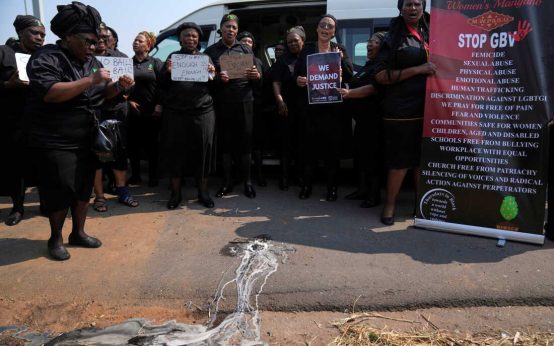 Impact of Gender-Based Violence in South Africa
 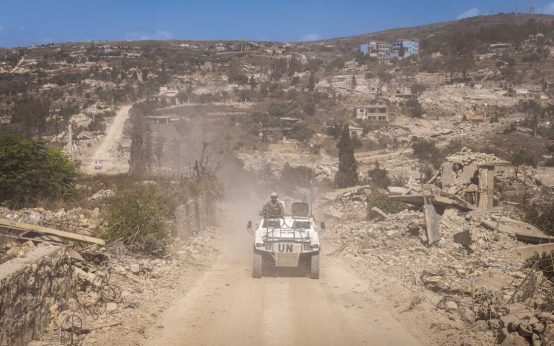 UNIFIL Operations in Southern Lebanon Amidst Ceasefire Challenges