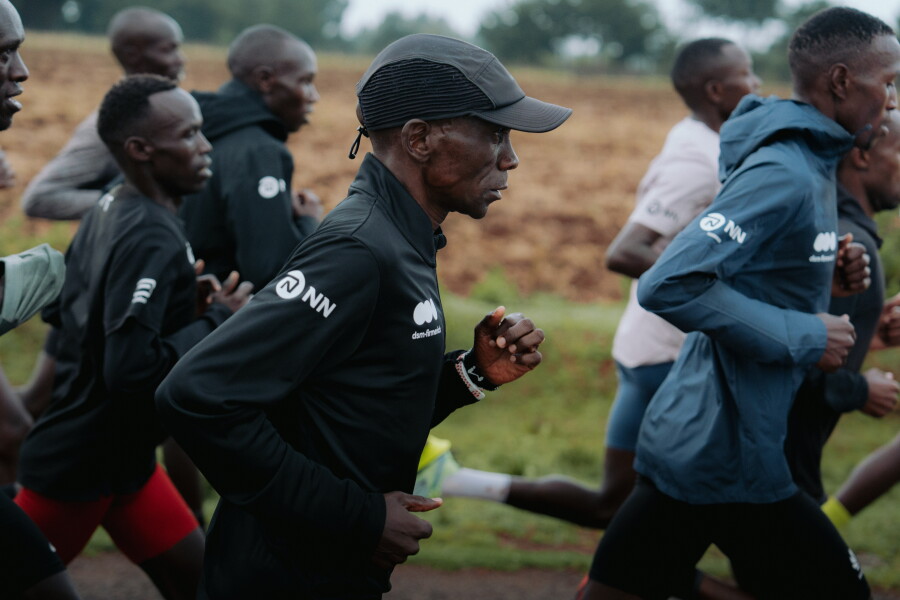
Eliud Kipchoge is recognized as one of the greatest distance runners ever. His career began in the 5000m event, where he won a world championship and Olympic bronze and silver medals. However, he is most famous for his achievements in the marathon. He won consecutive Olympic gold medals, became the first person to run a marathon in under two hours, and broke the world record twice. These accomplishments are key milestones in Kipchoge’s legacy.
Behind these records and championships lies a story rooted in Kenya’s Rift Valley. This region is known for its high altitude and fertile volcanic soil, ideal for agriculture. It’s also where Kipchoge’s talents and values of discipline, determination, and resilience were nurtured.
Eliud Kipchoge: Reflecting on his Kenyan origins, the World Tour, and his hopes for global change.
Mary Omatiga: You have embarked on a new chapter with your World Tour. What prompted you to begin this journey now?
Kipchoge: The World Tour was a decision made with my team. After 23 years in competitive running, I wanted a transition, visiting the world to promote running. Over two and a half years, I’ll run marathons on each continent. It’s about encouraging more people to run. Sport has been generous to me, offering opportunities to break records and win medals. Now, I aim to give back by turning the world into a running community.
Omatiga: For those unfamiliar with your background, could you explain how growing up in Kenya influenced you?
Kipchoge: Kenya is renowned for distance running due to its environment and altitude. But deeper than those are our cultural values: discipline, consistency, honesty, and nurturing the next generation. These values guide us in our training and daily lives.
Omatiga: You often mention being raised by a single mother, which many may not fully understand. How did this upbringing shape you?
Kipchoge: Single mothers often face disrespect in my culture. People believe fathers alone impart knowledge and protection. But I disagree. I believed in myself, owning my energy and capability. Despite being raised by a single mother, I showed others that I could succeed. It was tough in Kenya to keep my head up, but I fought for my space through sport.
Omatiga: Your philosophy, “No human is limited,” is widely known. How did your early experiences shape this belief?
Kipchoge: Growing up, I felt disadvantaged without love from two parents. But I had faith in myself. Sport changed my outlook and offered a platform to inspire others. If a child raised by a single mother can achieve this, then anyone can. We all share the same space without limits.
Omatiga: Your discipline and resilience are well-known. Where do these attributes originate?
Kipchoge: These values came from observing my mother. Her consistency and hard work inspired me. I adopted these small values early, which shaped my life and career.
Omatiga: The running community inspires you greatly. Can you describe its impact on you?
Kipchoge: The running community made me who I am. Their support on social media keeps me motivated. Seeing children recognize me encourages my early morning runs.
Omatiga: You opened the World Tour in Cape Town, your first African soil marathon. Why was that significant?
Kipchoge: Africa is home. Starting in Cape Town was meaningful as it’s on my continent. It’s the sole major marathon location in Africa, marking unity and passion in sports.
Omatiga: What does Cape Town being a major marathon location mean to you?
Kipchoge: It’s a gift to African children and people, supporting the next generation in sports. Meeting those who made this possible is a personal goal.
Omatiga: Brazil and Australia are tour stops. Why choose them?
Kipchoge: Rio holds special meaning, as it was where I won my first gold. Porto Alegre was chosen to connect with a smaller city in South America.
Omatiga: You’re no longer running for medals but for purpose. Tell us more about that purpose.
Kipchoge: My goal is to inspire a running world and support education for vulnerable children through my foundation. We aim to build libraries and conserve the environment globally.
Omatiga: Throughout your career, giving back to the next generation has been crucial. Who did you look up to?
Kipchoge: Haile Gebrselassie of Ethiopia inspired me. He changed Ethiopia’s spirit, and I aspired to his success.
Omatiga: Representing Africa for two decades, what does that responsibility mean to you?
Kipchoge: It’s significant to represent Africa positively and motivate others to compete globally. African sports talents are emerging strongly.
Omatiga: How do you want the world to perceive Africa?
Kipchoge: I want Africa seen as positive and technologically advanced. We have the youth and energy to excel globally.
Omatiga: What do you hope for Africa’s next generation, and what should they learn from you?
Kipchoge: I hope for Africa’s positive contribution worldwide. Young people can pursue diverse fields. They should learn “No human is limited” and fight for their space.
Omatiga: If you could speak to young Eliud, what advice would you give?
Kipchoge: Be disciplined, consistent, honest, and positive. Embrace everyone.
Editor’s Note: By Way of Africa explores African talent and stories, celebrating the continent’s diverse cultures. These narratives highlight diligence and work ethic in African heritage and society.
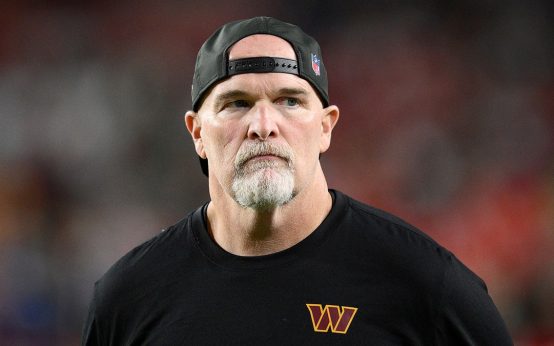 Commanders’ Costly Sack Decision Sparks Job Security Concerns
 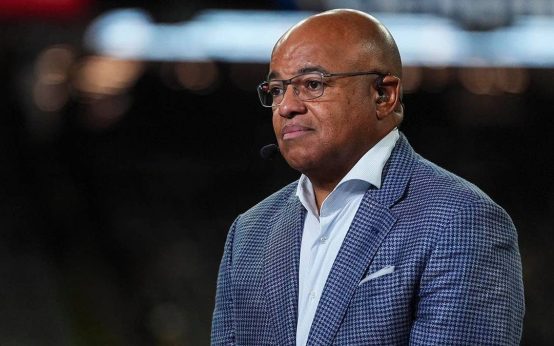 NBC’s Return Co-stars Jordan Amidst NBA GOAT Debate
  Winless Struggles: Three Teams 0-5 in the Same Conference
  NFL Love Story: Cooper DeJean and Abby Summers
 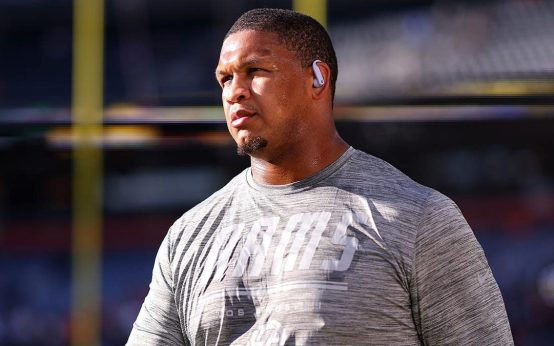 NFL Suspends Rams’ Alaric Jackson for On-Field Punch Against Bills
 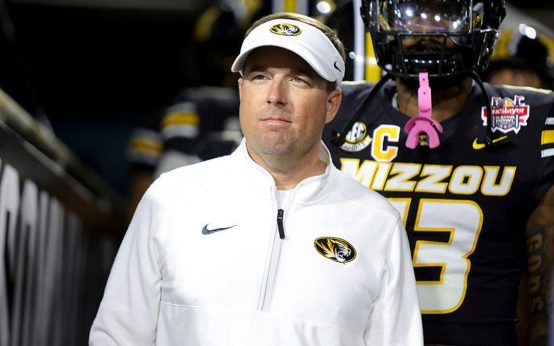 Missouri Tigers Excel Amid Challenges Under Coach Drinkwitz