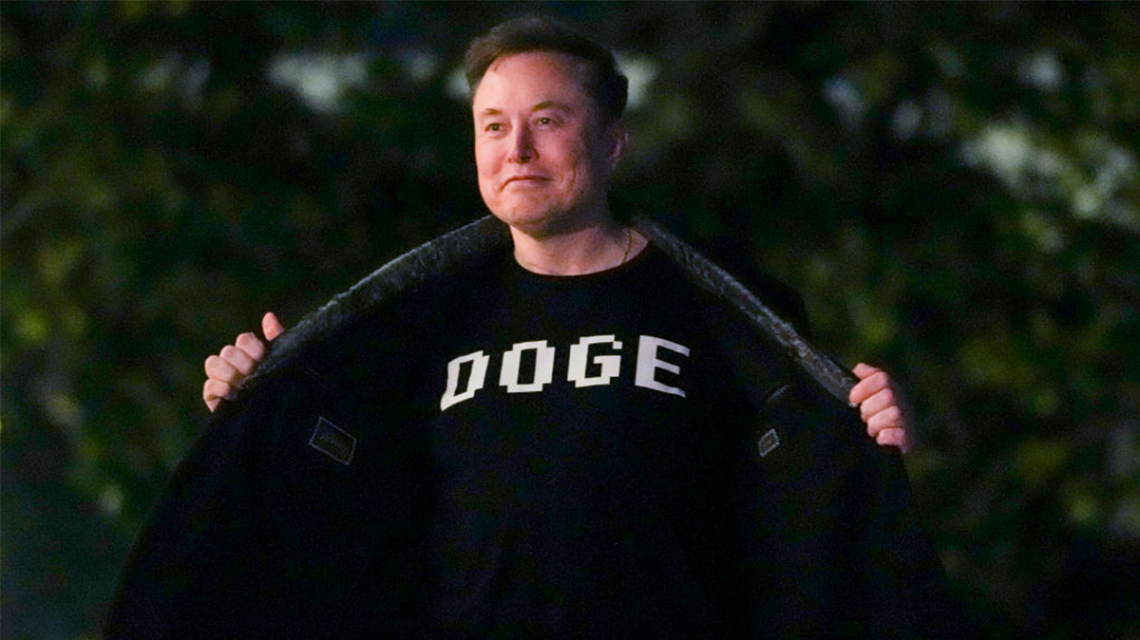
Elon Musk has accepted a significant role in the Trump administration, working with the Pentagon to determine future weapons and technology needs for American troops. War Secretary Pete Hegseth revealed Musk’s appointment as co-leader of Project Meridian during his State of the Force address at Marine Corps Base Quantico.
Musk’s role in Project Meridian will involve assessing future warfare domains and identifying necessary U.S. military capabilities. He will collaborate with defense tech billionaire Palmer Luckey and former House Speaker Newt Gingrich, under the guidance of Emil Michael, War Department Chief Technology Officer.
Secretary Hegseth emphasized the importance of external perspectives for forecasting future conflicts, acknowledging biases within the Pentagon. In his address, he stated, “The best forecasters of future conflict do not solely reside inside the Pentagon.” Following his speech, discussions with Musk, Luckey, and Gingrich commenced at a secure location nearby.
The initiative aims to map the trajectory of wars, domains, and technologies within 120 days. It will present findings publicly, including a classified annex. Meridian’s mandate extends from beneath the Earth to beyond the moon, focusing on identifying domains and capabilities for future mastery.
Musk and Luckey bring substantial experience in defense technology to Project Meridian. Musk’s SpaceX is a major Pentagon contractor, and Luckey’s Anduril Industries specializes in autonomous weapons. Their involvement may prompt conflicts of interest questions as they help determine future military capabilities.
Project Meridian is part of a broader shift towards autonomous warfare and advanced technology announced by Secretary Hegseth. This includes the creation of Autonomous Warfare Command (AUTOWARCOM), designed to expand autonomous capabilities across the military.
New occupational frameworks will pave career paths for “autonomous warfighters,” addressing a vital need for adapting and embracing technological transformations. “We should have been thinking about Autonomous Warfare Command ten years ago,” Hegseth remarked during his address, underscoring the urgency of staying ahead in technological developments.
During the State of the Force address, Hegseth outlined six initiatives aimed at reducing foreign vulnerabilities in U.S. bases and supply chains. He addressed a younger generation of military leaders, describing them as “current and future leaders on the front lines.”
The speech also included strong rhetoric regarding military culture and the news media. Hegseth criticized journalists whose actions he believes compromise military operations and service member safety. “It’s sick. It’s a national betrayal. It’s treason, actually,” he declared.
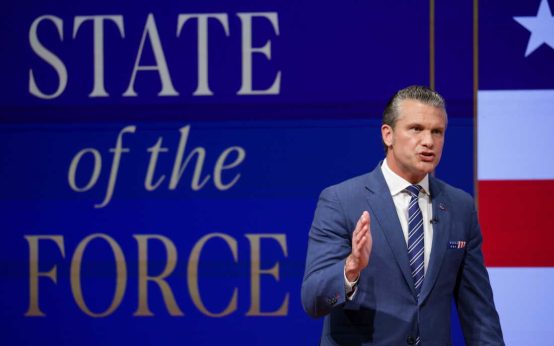 Secretary of Defense Discusses Military Changes at Marine Corps Base
  Trump Administration’s Controversial Ad Campaign on CNN and MS NOW
  President Trump Addresses Immigration Tensions at Hispanic Heritage Event
  Indiana Extends Gas Tax Holiday Amid Rising Fuel Prices
  Defense Secretary’s Rise in Trump Administration
  Supreme Court Approval Ratings Hit Historic Lows Among Independents