The summer of 2026 marked unprecedented activity in air travel, with projections for Labor Day weekend suggesting the busiest period in history. Simultaneously, Congress faces another round of budget deadlines, with potential government shutdowns looming due to political maneuvering. This scenario places immense pressure on the Federal Aviation Administration (FAA) and the airline industry, especially as past shutdowns have strained aviation operations significantly.
With rising fuel costs from the ongoing conflict in Iran impacting airlines financially, the situation is exacerbated by Congress’s failure to shield the FAA from future funding lapses. Reliable aviation funding is critical now, and the agency responsible for managing U.S. airspace should not face disruptive funding threats with each budget deadline. Air traffic controllers, TSA officers, and Customs personnel should not be pawns in congressional disputes.
The 2025 shutdown serves as a reminder of the chaos such events induce at airports. Passengers endured lengthy TSA lines, with flights facing extensive delays and cancellations. Results included 15,600 flight delays and 7,100 cancellations, affecting over six million people. Combined with this year’s Homeland Security shutdown, disruptions led to more than $6 billion in economic costs.
During shutdowns, essential personnel like air traffic controllers, TSA officers, and Customs agents continue working unpaid, exacerbating burnout and increasing callouts, which further disturbs federal aviation operations already suffering from workforce shortages. The FAA adjusts traffic control, reducing flights in affected areas, causing airlines to delay, cancel, reschedule, and rebook flights, leading to cascading disruptions across air travel networks.
Security lines grow longer with increased callouts among TSA and Customs personnel, delaying passenger processing and impacting cargo delivery. Moreover, repeated shutdowns discourage continued employment in federal aviation roles, with over a thousand TSA officers departing due to funding uncertainties. Prospective air traffic controllers hesitate to enter careers vulnerable to political disruptions.
To address these issues, Congress must complete the fiscal 2027 appropriations process via regular order to avoid funding lapses affecting federal aviation programs. If deadlines remain unmet, passing a continuing resolution is essential to maintain operations. Longer-term solutions require allowing the FAA access to the Airport and Airway Trust Fund during funding gaps. This fund accumulates from ticket taxes, fuel fees, and other charges by aviation system users. Extending this principle to TSA and Customs allows continued payment through existing user fees, protecting operations from political disputes.
Aviation functions as a unified system, so securing FAA funding alone is insufficient if TSA and Customs remain susceptible to budget politics. History shows the consequences of Congress’s shutdown disputes affecting airports, travelers, and businesses. Implementing both regular appropriations and stable access to aviation funds should become priorities, ensuring normal airspace operations are insulated from congressional budgeting setbacks.
Ken Blackwell is the chair of Election Integrity at the America First Policy Institute. His previous roles include Ohio Secretary of State, Mayor of Cincinnati, U.S. Ambassador to the United Nations Commission on Human Rights, and co-chairman of the U.S. Census Monitoring Board.
 Trump Administration Overhauls Federal Housing Policy to Promote Affordability
 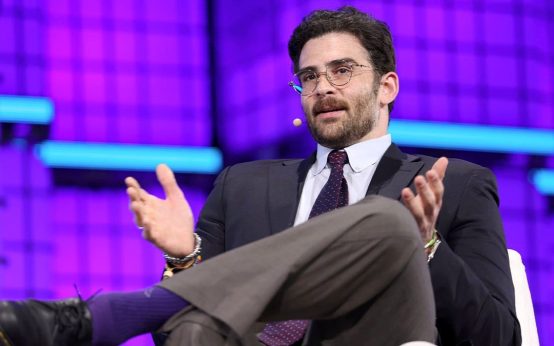 Democrats Distance Themselves from Hasan Piker Amid Controversy
  Vice President JD Vance Criticizes Senate Nominee Abdul El-Sayed
  California Bill Targets Addictive Features on Social Media for Teens
  Reducing Green Tape in Federal Grants
  Milo Yiannopoulos and His Departure from the U.S.