The conflict between the U.S. and Iran intensified with the exchange of missile and drone strikes on Wednesday, emphasizing the instability of a ceasefire that remains officially in effect according to Washington. Both countries show a willingness to negotiate despite ongoing hostilities.
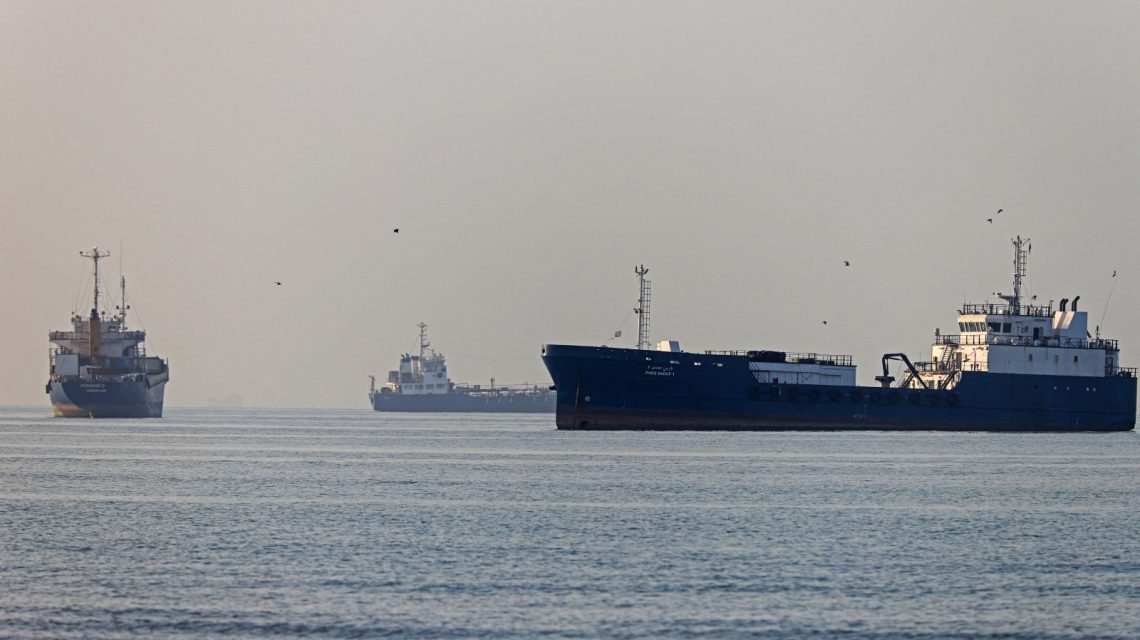
Following recent developments, the U.S. struck an empty oil tanker, claiming it attempted to bypass a blockade on Iranian ports that has been enforced since April 13. During this blockade, six commercial vessels have been disabled, and 122 redirected. Iran retaliated with drone strikes on Kuwait’s international airport, leading to significant damage and injuries. The attack halted air traffic, and Kuwait labeled the incident criminal aggression by Iran.
The Islamic Revolutionary Guard-affiliated Tasnim News released a video purporting to show explosions at U.S. bases in Kuwait. However, the U.S. Central Command (CENTCOM) asserted that its air defenses intercepted all drones, preventing harm to American personnel and assets.
Despite the ongoing ceasefire status, these exchanges indicate limited progress in easing Middle East tensions. Secretary of State Marco Rubio expressed optimism about reaching an agreement with Iran in a Senate Foreign Relations Committee statement.
‘Self-defense’ Strikes on Qeshm Island
CENTCOM confirmed a Hellfire missile strike on the Botswana-flagged tanker Lexie, which was approaching an Iranian port. This action was part of broader strikes considered self-defense operations against Qeshm Island, located in the Strait of Hormuz. Tehran’s blockade there has disrupted global energy markets.
The Hellfire missile is known for its precision and is deployable from various platforms including aircraft and drones. CENTCOM shared footage of the strike and indicated that the tanker’s crew ignored repeated warnings over 24 hours, failing to comply with U.S. directives.
Additional U.S. strikes responded to alleged Iranian attacks across the region. Tehran claimed it targeted U.S. bases and helicopters using missiles and drones. The U.S. reported Iran fired three missiles at Bahrain, all intercepted or disintegrated.
‘Time to Make a Deal’
President Donald Trump issued a direct message on Truth Social, urging Iran to reach a deal to end ongoing tensions. He referenced Iran’s long-standing defiance and insisted the situation cannot continue.
Recent U.S. strikes targeted Iranian attack drones and missile launch sites amid ongoing self-defense measures in southern Iran. The U.S. also aimed at Iranian vessels trying to lay mines.
Iran Believes Time Is on Its Side
Rajan Menon, professor emeritus at the City College of New York, highlighted the narrowing window for a deal, noting domestic opposition faced by Trump over a perceived impending deal on Iranian terms. Menon suggested Iran perceives an advantage due to war-driven price hikes and declining U.S. public support for hostilities.
Menon described the situation as a high-stakes standoff where neither side wants to back down, potentially leading to renewed conflict he sees as increasingly probable, though not inevitable.
Iranian parliament deputy speaker Ali Nikzad mentioned ongoing negotiations under the Supreme Leader Mojtaba Khamenei’s oversight, though Khamenei has remained out of public view.
Tehran Retaliates Stronger
Trita Parsi from the Quincy Institute noted Tehran’s shift to stronger retaliations, claiming Iran now strikes back 1.5 times harder for every U.S. attack.
Len Khodorkovsky, ex-U.S. Deputy Assistant Secretary of State, argued that empowering the Iranian populace against their regime offers the best path to enduring peace. He highlighted recent protests as a rejection of deals that might bolster oppressive forces within Iran.
Khodorkovsky, advising the Krach Institute for Tech Diplomacy, insisted that President Trump has a chance to reshape the Middle East by fostering alliances that span generations.
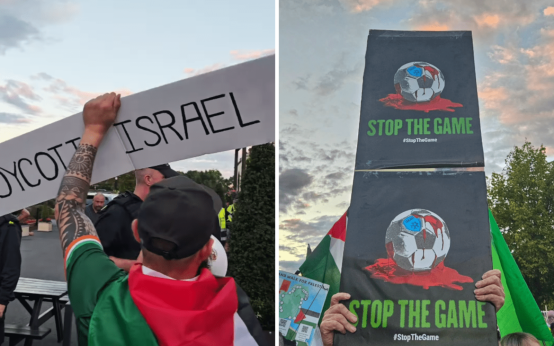 Calls Grow for Ireland’s Soccer Team to Boycott Matches Against Israel
 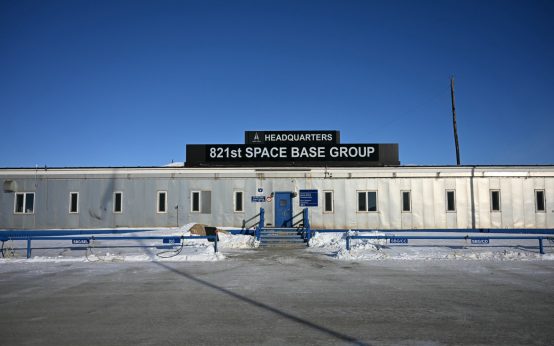 New U.S. Military Bases Planned in Greenland Amid Strategic Security Deal
 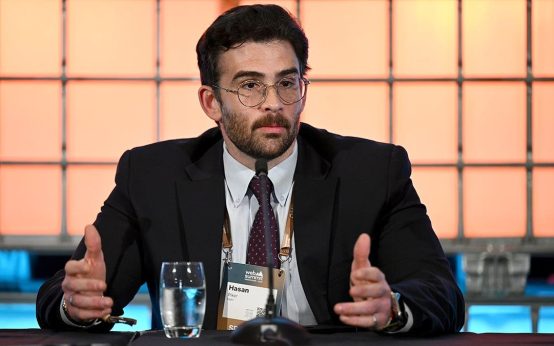 Twitch Streamer Hasan Piker Discusses Controversial Commentary
  A Shifting Political Landscape: The Decline of Autocratic Power
  Trump Delivers Warning to Iran, Cuba at UN General Assembly
 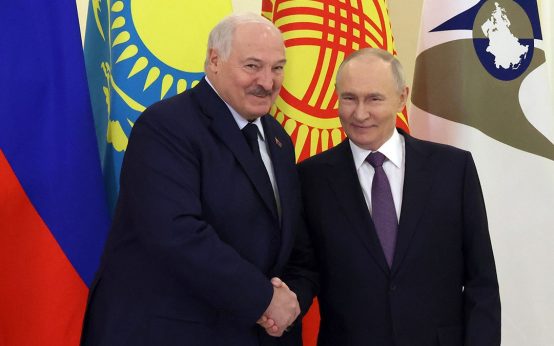 Lukashenko and Putin’s Unique Relationship and Belarus’ Strategic Role