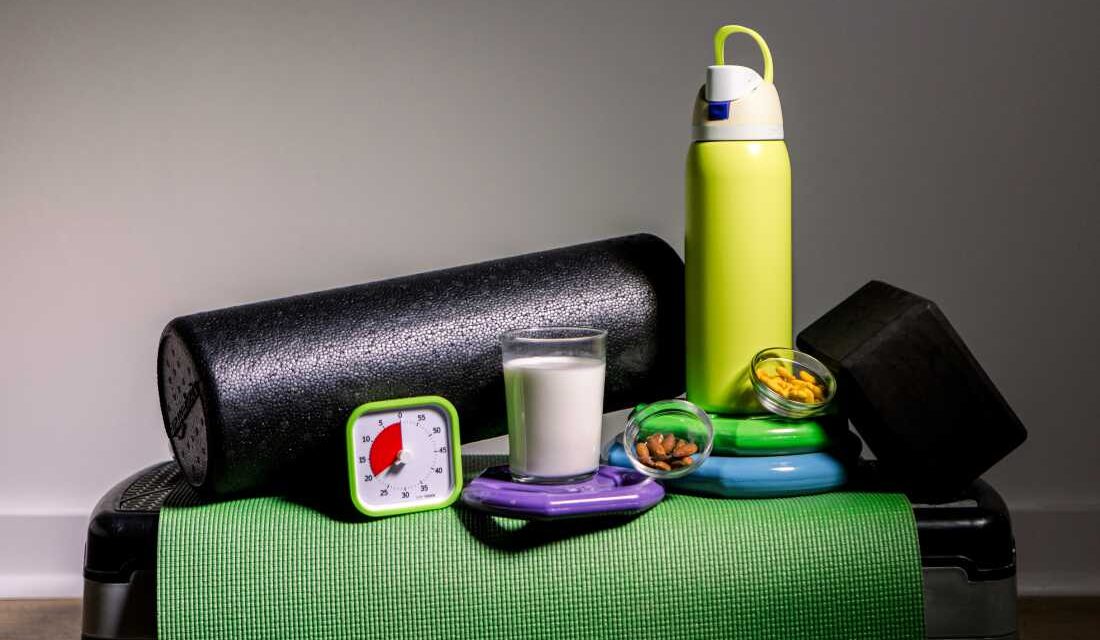
A successful post-workout routine involves cooling down, stretching, foam rolling, and consuming a protein-rich snack. These steps are crucial for recovery and improving performance.
Beneficial Effects of a Proper Routine
Anna Cockrell, an accomplished track and field athlete, emphasizes the significance of post-exercise recovery. Prioritizing these activities has enabled her to achieve remarkable performance improvements. Research supports that cooldown and recovery can prevent injuries and reduce soreness.
Despite the benefits, many neglect these activities, according to Dr. Natasha Desai of NYU Langone Health. She highlights that focusing only on physical exertion without recovery leads to long-term issues.
Key Activities Post-Workout
Consider incorporating these four essential post-workout activities:
1. Cool Down (10-15 minutes)
A cooldown helps prevent dizziness and fatigue. Gradually reducing exercise intensity rebalances blood flow, diverting it back to organs rather than muscles. Skipping this step could result in low blood pressure, dizziness, or fatigue.
Engage in low-intensity activities like speed-walking, slow-jogging, or biking to effectively cool down.
2. Foam Rolling
Foam rolling can alleviate muscle tension. While evidence on soreness prevention is limited, many find it beneficial, according to Desai.
A basic foam roller is affordable and can target muscles like quads and hamstrings.
3. Stretching for Flexibility
Regular stretching helps increase flexibility and range of motion, thereby reducing injury risk. Focus on achieving a balance of discomfort without pain.
Examples include quadriceps and knee-to-chest stretches held for about 30 seconds.
4. Protein Intake for Muscle Growth
Nutritional intake post-exercise, particularly protein, facilitates muscle building. Nutritionist Jeremy Ford recommends approximately 1.7 grams of protein per kilogram of body weight daily for active individuals. Early protein consumption may aid in meeting these needs.
Examples of protein sources include chocolate milk, protein shakes, lentils, and almonds.
Additional Recovery Tip
Consider enjoying a relaxing bath with essential oils and Epsom salts, as suggested by Cockrell. This can reduce inflammation and provide relaxation.
For further insights, the digital story was edited by Meghan Keane with visuals by Beck Harlan.
 Potential Changes in Medicare Reimbursement for Lab Tests
  Understanding and Addressing the Complexity of Suicide
  Dietitian Advises Caution with Costco’s High-Protein Chef Salad
  Recall of Meat Products from Star Meat Delivery Inc.
  Questions Arise After Presley Gerber’s Death in Rehab
  Beach Dispute Turns Tragic