The European Parliament has taken a significant step against the Muslim Brotherhood, with an overwhelming majority voting for a resolution condemning the transnational Islamist group. This follows the U.S. administration’s previous sanctions on similar foreign groups.
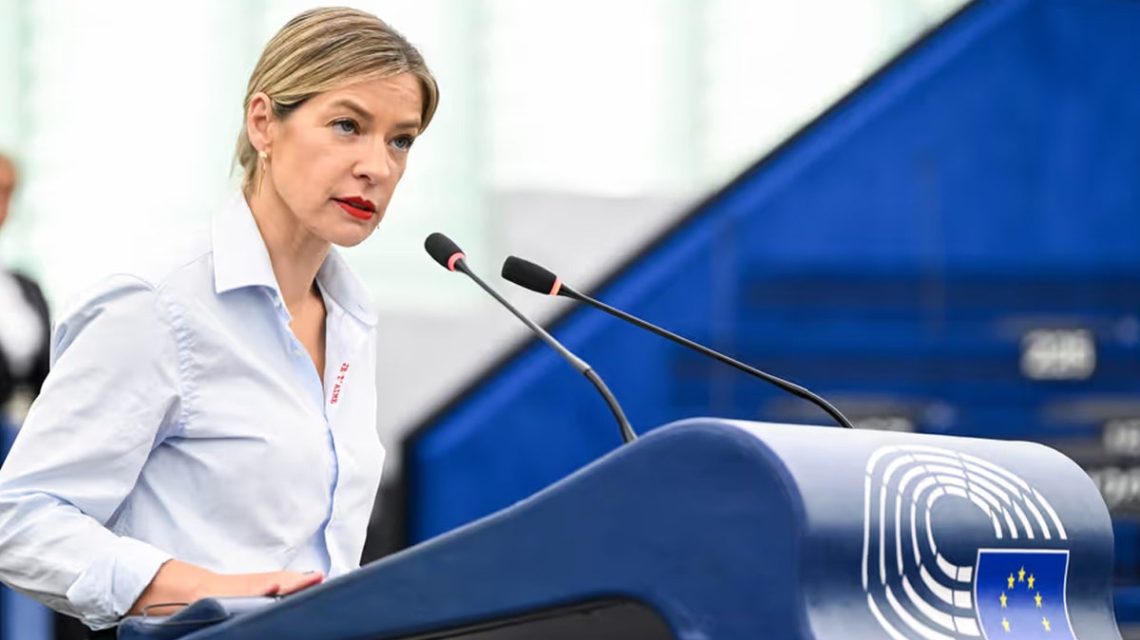
Céline Imart, a French member of the European Parliament, sponsored the resolution. She described the vote as a historic victory, marking the first time Europe addressed Islamist entryism and the Brotherhood’s influence.
The European People’s Party led the effort, highlighting a political divide; most center-right members supported the resolution, while parts of the left opposed it. Imart thanked colleagues who collaborated, noting some socialist and far-left groups boycotted the text.
Lorenzo Vidino from George Washington University highlighted ongoing efforts by French and Austrian governments, recognizing a growing European consensus for action.
Addressing the European Parliament’s press release, it warned against legitimizing organized Islamist networks, emphasizing the protection of Muslim citizens against discrimination. Yet, it insisted such policies shouldn’t prevent criticism of Islamist networks.
Despite these efforts, ENAR, an anti-racism network, denounced the resolution, labeling it racist and Islamophobic. They rejected any association with the Brotherhood, arguing the action tarnished European Parliament’s image.
Edmund Fitton-Brown from the Foundation for Defense of Democracies commented on future challenges, emphasizing Europe’s need to address both non-violent Islamism and violent terrorism.
Vidino noted differences between European and U.S. approaches to the Brotherhood, with Europe focusing on entryism and subversion. He remarked on the resolution’s potential for political influence but expressed doubts about its tangible impact due to Islamist groups’ adaptability.
The resolution urges the European Council to evaluate adding Brotherhood-linked entities to the EU terrorist list, calls for financial transparency, and scrutinizes foreign funding, particularly from Qatar and Turkey. It also recommends national lists of hate preachers at EU levels.
Imart remains committed to ensuring the European Commission and Council act on these decisions, emphasizing this as a starting point in Europe’s stance against Islamist influences.
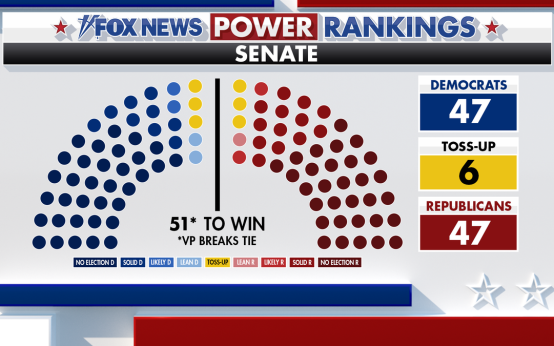 Senate Control Battle Intensifies as Midterms Approach
  U.S. Ambassador Condemns Attack on American Journalist in West Bank
 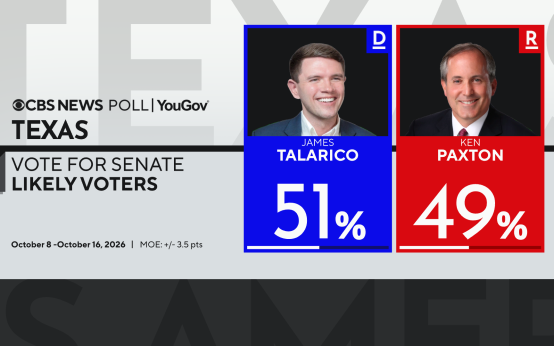 Texas Senate Race Heats Up as Turnout Becomes Key Factor
  Trump’s Diesel Deal with Russia: Analyzing the Impact and Opposition
  Pope Leo XIV Thanks Faithful Following Surgery
  Hurricane Trudy and Typhoon Champi Impact Regions with Heavy Rain and Strong Winds