
A recent gathering in Portugal highlighted the increasing focus on the concept of ‘remigration’ among far-right activists. This idea, once confined to extremist political spheres, is gaining traction. Participants at the event cite rhetoric from former President Donald Trump’s administration as elevating this concept.
In the coastal city of Figueira da Foz, approximately 500 activists, influencers, and political figures attended a ‘remigration summit.’ The discussions centered around plans to return migrants to their countries of origin. Attendees included members of Germany’s Alternative for Germany (AfD), Spain’s Vox, and several American figures.
Key Participants and Their Backgrounds
Notable attendees were Gregory Bovino, a former Border Patrol commander, and Jared Taylor, founder of the New Century Foundation. Bovino became prominent during Trump’s term, known for leading major immigration enforcement operations. Taylor is known for promoting white nationalist ideology in the U.S.
The Significance of the Summit
The summit underscores the growing influence of U.S. immigration rhetoric on European far-right movements. ‘Remigration’ involves removing or returning migrants, often associated with deportations. Critics warn it could affect documented residents, raising human rights concerns.
Participants linked the rising profile of ‘remigration’ to changes in U.S. policy language. In September 2024, Trump mentioned the term in a social media post. At the United Nations General Assembly in 2025, he criticized European migration policies. The State Department’s proposal for an ‘Office of Remigration’ further embeds the concept in policy talks.
Details from Inside the Event
Austrian activist Martin Sellner, a key figure in the Identitarian movement, co-organized the event. AfD politician Kay Gottschalk attended, listening intently. Vox lawmakers and other AfD representatives were notable speakers.
Speakers contended that ‘remigration’ is moving into mainstream debate. Jean‑Yves Le Gallou, a former European Parliament member, pointed out that once a major power’s president uses a term, it gains legitimacy. Media restrictions at the event contrasted with access given to certain influencers, indicating tensions with press coverage.
The Bovino Controversy
Bovino’s presence linked U.S. policies with European far-right activities. His early 2026 actions in Minneapolis drew national focus, especially after a controversial fatal shooting during enforcement operations.
Bovino also faced backlash over a garment during these operations. His olive-green overcoat, which some labeled ‘Nazi-coded,’ sparked discussion. He denied such comparisons, claiming it was standard Border Patrol issue.
U.S. Influence on the Debate
Although organized independently, the summit’s messaging frequently referenced U.S. developments. Trump’s endorsement of ‘remigration,’ alongside broader policy proposals, inspired attendees. Advocates argue it addresses concerns around sovereignty and immigration, while critics connect it to extremist ideologies.
Not all European right-wing parties embrace the term. Some, like France’s National Rally, avoid it due to its controversial implications, illustrating divisions within far-right discussions.
Future Implications
The ‘remigration’ debate is set to intensify in both the U.S. and Europe. In Washington, deportation policy changes and State Department restructuring may integrate the concept deeper into discussions. In Europe, its rising visibility could affect elections and alliances, facing opposition from mainstream political groups and society.
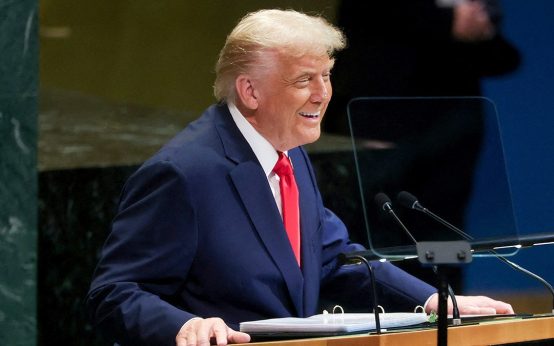 Trump’s Vision on Iran, AI, and Global Security at the UN
 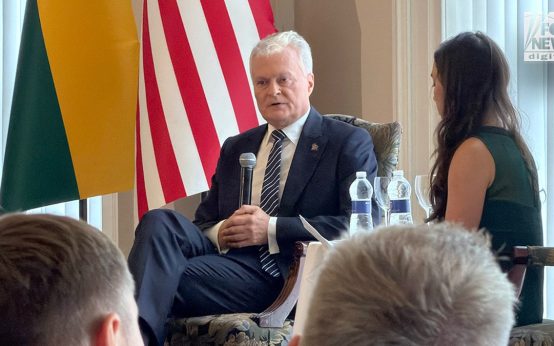 Lithuanian Leader Seeks U.S. Military Commitment Amid Rising Russian Threats
  Italian PM Giorgia Meloni Skips UN General Assembly Amid Growing Tensions
  Calls Grow for Ireland’s Soccer Team to Boycott Matches Against Israel
  New U.S. Military Bases Planned in Greenland Amid Strategic Security Deal
 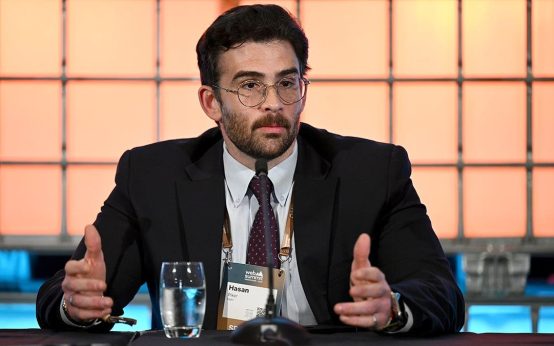 Twitch Streamer Hasan Piker Discusses Controversial Commentary