
The U.S. Food and Drug Administration (FDA) has approved Rasonque, a pioneering cancer treatment pill, for use in patients facing advanced pancreatic cancer. Manufactured by Revolution Medicines in California, the oral inhibitor targets multiple forms of the RAS protein, which significantly contributes to tumor growth. The approval came more than six months ahead of the original review deadline, providing new hope for patients battling this challenging disease.
Significance of FDA Approval
Acting FDA Commissioner Kyle Diamantas underscored the importance of this development, highlighting the agency’s commitment to expediting the availability of effective treatments for hard-to-treat cancers. He commended the FDA scientists for their dedication and swift review process.
The authorization targets adults with metastatic pancreatic cancer who did not respond to at least one prior treatment or are ineligible for certain combination drug therapies. Pancreatic adenocarcinoma, responsible for approximately 95% of the 67,000 annual pancreatic cancer cases reported by the National Cancer Institute, presents a significant challenge due to its late diagnosis and rapid progression.
Clinical Trial Outcomes
Rasonque’s approval followed a rigorous trial involving 500 patients with pre-treated metastatic disease. Participants receiving the drug exhibited a median overall survival of 13.2 months compared to a 6.7-month survival rate observed in the standard chemotherapy control group. This substantial improvement in survival highlights the drug’s potential as a vital treatment option.
Dr. Angelo de Claro, director of the FDA’s Oncology Center of Excellence, emphasized the unprecedented outcomes of the drug in meeting a critical medical need. The expedited approval process included granting priority review, orphan drug status, and breakthrough therapy designation.
Access and Safety
Prior to full authorization, the FDA issued a “safe to proceed” letter, enabling expanded access to allow patients to benefit from the drug ahead of the official approval. Common side effects reported during clinical trials included rash, diarrhea, stomatitis (mouth sores), nausea, fatigue, vomiting, abdominal pain, edema (fluid retention), reduced appetite, and hemorrhage (bleeding).
Dr. Anna Berkenblit, chief scientific and medical officer of the Pancreatic Cancer Action Network, recognized the drug’s approval as a significant breakthrough in pancreatic cancer treatment. She emphasized the potential to offer patients increased time with loved ones, improved quality of life, and hope for future advances through ongoing research.
 Michelle Monaghan’s Indonesian Adventure and Her Fitness Insights
 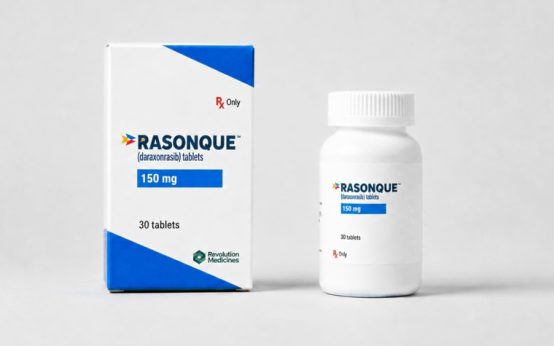 FDA Approves New Pancreatic Cancer Drug
  The Missing Identity in Patient Advocacy
  Study Links Meal Timing to Mortality and Life Expectancy
  Medicare Advantage’s Impact on Seniors with Type 2 Diabetes Questioned by Study
  Missouri Mother Shares Terrifying BRUE Experience with Newborn