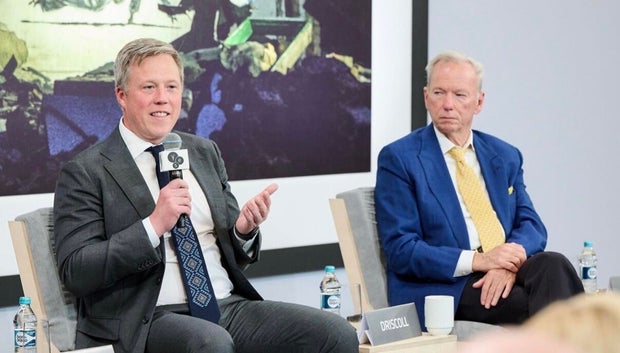
In a recent public discussion, former Secretary of the Army Dan Driscoll highlighted the urgent need for military innovation among the world’s largest forces. He emphasized the importance of speed and adaptation in modern warfare. Driscoll, who left the Trump administration earlier this year, made these remarks at the Yalta European Strategy forum in Kyiv.
Wearing a tie with a traditional Ukrainian design, Driscoll spoke alongside Eric Schmidt, former Google CEO and head of Perennial Autonomy, a defense firm active in Ukraine. The discussion was moderated by CNN’s Fareed Zakaria. The event, organized by the Victor Pinchuk Foundation, focused on Ukraine’s future in the security structure of the West.
Driscoll and Schmidt commended Ukraine’s military innovations, particularly the “DELTA” software. This platform integrates data from various sources—radars, sensors, and soldiers—to provide a comprehensive view of the battlefield. Driscoll asserted that DELTA surpasses current U.S. military technology.
“As Ukraine enhances its processing power and artificial intelligence capabilities, it has a significant opportunity to outpace Russia in innovation and partnerships,” Driscoll stated.
Having served as Army Secretary for 18 months, Driscoll’s tenure included efforts to negotiate peace in Russia’s conflict with Ukraine. His resignation, announced in August, followed disagreements with Defense Secretary Pete Hegseth concerning senior officer removal and military modernization.
In January, Driscoll initiated reforms to expedite weapon procurement for the U.S. military. The ongoing conflict with Iran reinforced the urgency for these changes. When facing a lack of defenses against Iranian Shahed drones, support came from Perennial Autonomy, which rapidly deployed interceptor and reconnaissance drones used in Ukraine.
Eric Schmidt recalled, “He literally called me and I said, of course, yes. The question is, could the government have anticipated this with a long-term plan?”
Driscoll emphasized the value of adopting a flexible, fast-paced approach learned from Ukraine’s adaptations. His insights were well-received by ministers, generals, and legislators from Ukraine, Europe, and the U.S.
Despite ongoing military developments, the U.S. recently disbanded a drone unit focused on lessons from Ukraine’s drone operations. Prominent supporters of this unit, including former Army Chief of Staff Gen. Randy George and former commander of U.S. Army Europe and Africa Gen. Christopher Donahue, faced early retirement or dismissal.
Although he did not address these departures, Driscoll stood by the U.S.’s support of Ukraine, noting its consistency in maintaining bilateral relations. He recognized, “The relationship may not have been as robust as Kyiv desired, but from my perspective, the commitment has been unwavering.”
Driscoll concluded that his contributions to global security would be more impactful outside the government, stating, “My highest and best use to make the world safer is from the outside at this moment.”
 U.S. Maritime Blockade and Its Impact on Energy Prices
  Tragic Ferry Disasters and Their Impact
 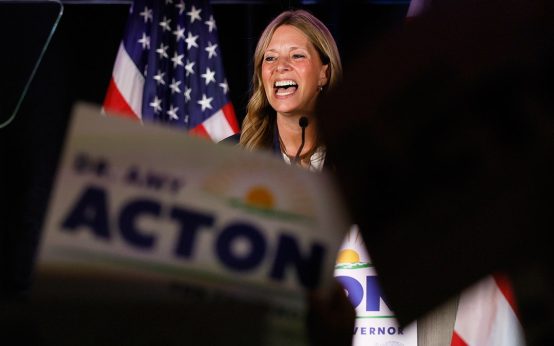 Confrontation at Amy Acton’s Campaign Event in Ohio
  Trump’s Childhood Home Renovated and Sold for Nearly $2 Million
 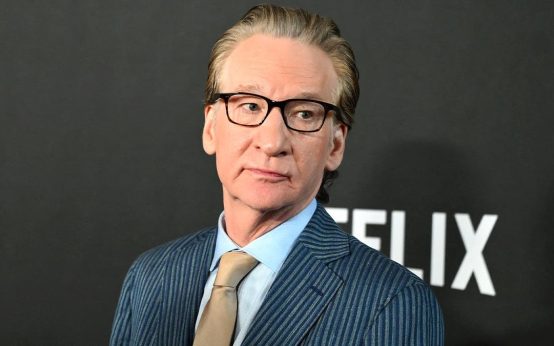 Bill Maher Criticizes Macklemore and Others Over Comments on Gaza
  Iowa Official Criticizes Block on Local Cash Payments