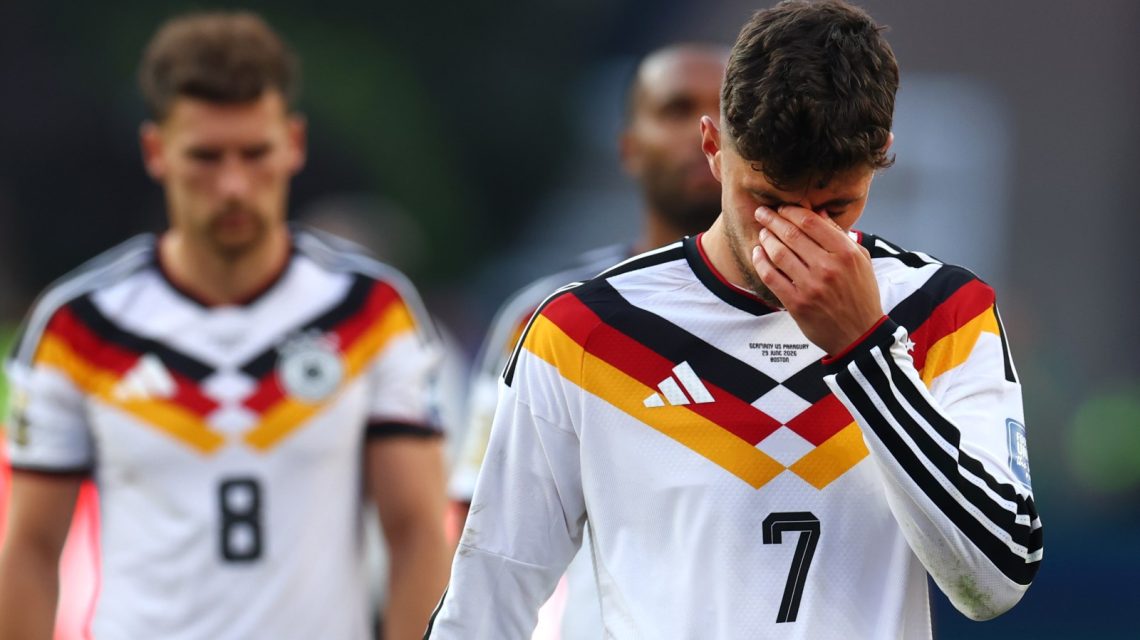
Germany’s 2014 Success
In July 2014, Germany lifted the World Cup trophy in Rio de Janeiro. Newsweek hailed this as the start of a “century of German success.” Players, pundits, and politicians saw this as a turning point, predicting unrivaled German dominance in sports and beyond. Clemens Fuest, President of the Munich-based Ifo Institute for Economic Research, noted Germany’s robust economic and political position, characterized by steady growth, falling unemployment, and decreasing government debt.
Germany’s World Cup victory symbolized more than sporting prowess; it represented the nation’s reputation for order and efficiency. The World Bank praised the win as a “triumph of strategy,” highlighting Germany’s mastery of strategic planning. Economically, Germany had solidified its status with strong exports, a dynamic labor market, and leading manufacturing expertise.
Challenges Beyond Football
Despite high expectations, Germany’s football team has struggled since the 2014 World Cup victory. The team faced early exits in the 2018 and 2022 tournaments and lost a knockout match for the first time against Paraguay. This decline mirrors broader challenges faced by the nation.
Economic Struggles
Germany once thrived on industrial strength and export dominance but today faces an economy under strain. Fuest noted that since 2019, German economic growth has stagnated, with GDP matching 2019 levels and investment falling to 2015 levels.
Germany’s post-COVID-19 recovery has been weak among advanced economies, hindered by Chinese competition, U.S. tariffs, and rising energy prices. The conflict in Ukraine further impacted Germany, disrupting its energy sources and causing costly transitions.
Industry Declines
Germany’s key industries show signs of strain. The automotive sector, once a staple of prosperity, faces stagnant sales and declining market share. Car production has decreased from 5.65 million vehicles in 2017 to a forecasted 4.1 million in 2026. The shift to electric vehicles highlights structural weaknesses, exposing manufacturers to high costs and dipping demand.
Political Fragmentation
Economically, Germany also grapples with political fragmentation. The rise of the Alternative for Germany (AfD) party has reshaped politics with record support and electoral successes. Immigration has become a divisive issue, challenging the political consensus established during Merkel’s era.
The AfD’s rise signifies backlash against non-white immigration and contributed to the erosion of the Grand Coalition’s consensus. Germany’s influence in Europe has diminished compared to 2014, showing increased deference to France in various matters.
The Current State
Germany remains a wealthy and developed country, boasting a skilled workforce, strong institutions, and industrial expertise. It is the world’s third-largest exporter and economy by GDP. Recently, Germany increased investments in its military, highlighting a shift towards a more proactive role as a European leader.
Yet, compared to 2014, Germany faces various challenges, including economic headwinds, industrial disruptions, and political fragmentation. The decline in footballing success symbolizes a nation dealing with a rapidly changing world, facing uncertainty and doubt.
 Trump’s Approach to Iran at the United Nations
  North Korea’s Missile Launches Escalate Tensions
  U.S. Plans for Permanent Army Base in Poland Amid Tensions with Russia
  Berlin’s Mayoral Race: A Candidate Inspired by New York Leadership
 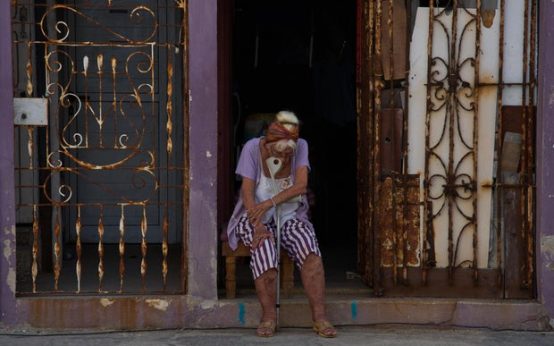 Cuba Faces Sixth Power Grid Collapse Amid U.S. Fuel Blockade
 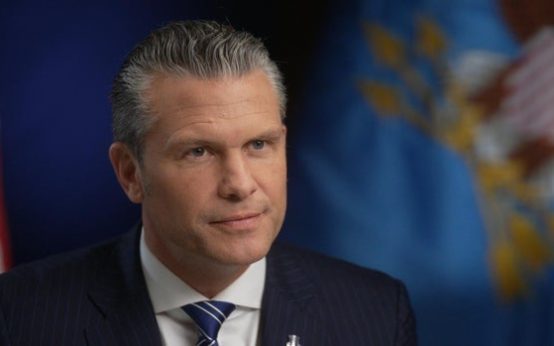 Daring U.S. Rescue Mission in Iran