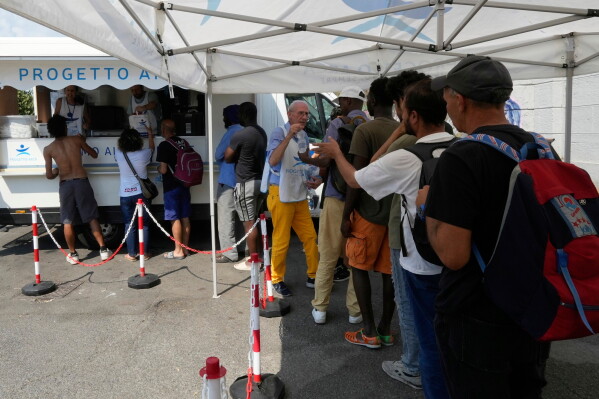
New research reveals significant increases in heat stress globally. According to the study published in the journal Nature Climate Change, countries such as Mexico, Kenya, and Italy now experience one to two more months of heat stress compared to several decades ago. Even regions once unaffected now face considerable impacts.
Heat stress, along with extreme feels-like temperatures, has become more frequent and severe over the last 60 years. This trend results from the intensifying warming caused by burning fossil fuels. The researchers went beyond temperatures and used feels-like temperatures to understand human impact, assessing factors like humidity and wind speed through the Universal Thermal Climate Index.
“Humidity affects sweat evaporation, making humid heat waves more dangerous than dry ones,” explains the study, highlighting the complex interplay between temperature and humidity.
The study indicates worsening conditions in already warm areas and beyond. A study found that people faced an average of 41 extra dangerous heat days in 2024. Predictions suggest nearly two additional months of superhot days annually by the century’s end.
Examples of Heat Stress Levels
- Strong: Index temperatures ≥ 32°C (89.6°F)
- Very Strong: Index temperatures ≥ 38°C (100.4°F)
- Extreme: Index temperatures ≥ 46°C (114.8°F)
Regions such as Southern Africa, Eastern Africa, parts of Mexico, and Central America may experience around 50 more days of strong heat stress compared to the 1970s. Southern Spain, Italy, Greece, and Turkey could see up to 40 additional days.
In the U.S., many areas see at least 15 days of strong heat stress with southern states like Texas and Florida experiencing close to 25 or more days of very strong heat stress, extending the heat stress season duration.
Growing Footprint of Heat Stress
Rebecca Emerton, the study’s lead author, highlights the expanding footprint of heat stress. Even historically rare regions now face this issue. The study shows the ten warmest nights each year are warming faster than days, indicating a challenge in nighttime heat recovery.
One billion more people face at least one extreme heat stress day annually than in the 1970s. Future impacts rely on actions taken now. Jennifer Francis, a climate scientist, comments on the urgent need for adaptation strategies, heat health action plans, and climate risk assessments.
Emerton stresses mitigating future warming to reduce these dangers. Implementing early warning systems and effective climate strategies can manage rising risks.
Reporter Alexa St. John, who covers climate issues, can be followed for more insights. AP’s climate coverage is independently managed and supported by various foundations.
 Cold Weather Alerts and El Niño Influence
  Turning Home Food Waste into Compost: A Guide
  Chicagohenge: When Sunlight Aligns with City Streets
  Fat Bear Week 2026: A Look at the Contest and Its Competitors
  California Governor Declares Statewide Emergency Ahead of El Niño Storms
  EPA Rollbacks and the Impact on Indiana Communities