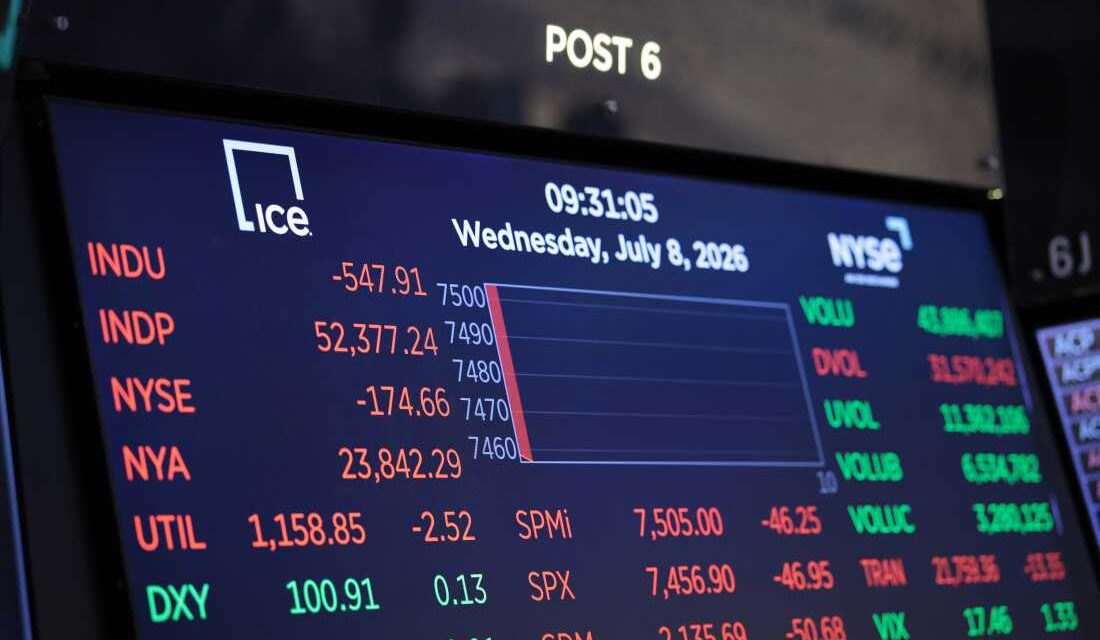
The tension between the U.S. and Iran has reignited uncertainty in global markets. The ceasefire’s end caused oil prices to rise, while stocks faced a downturn. On ending the ceasefire, President Trump announced U.S. military attacks on several Iranian targets. These actions were a response to suspected Iranian assaults on vessels navigating the Strait of Hormuz.
The developments have reintroduced volatility shortly after the market’s brief calm. U.S. and international benchmark crude oil prices increased by approximately 7% midweek. However, they have not climbed back to previous high levels. The Dow Jones Industrial Average saw a significant drop of over 800 points, about 1.5%, which occurred just after it reached a record high.
This renewed conflict may bring back inflation pressures after a period of decreasing gasoline prices. The initial spike in oil prices was modest, suggesting market expectations do not lean towards a full-scale war. U.S. retail gasoline prices rose marginally overnight, according to AAA. However, if crude oil continues to rise in cost, consumers may see higher prices at pumps soon.
Tensions have continued affecting global markets since the U.S. and Israel initially targeted Iran earlier in the year. An overnight increase in bond yields indicates investors brace for ongoing uncertainty. Monitoring these developments is crucial for the Federal Reserve, under its new chairman Kevin Warsh. The CME FedWatch tracking tool suggests there is now a 1-in-3 probability of an interest rate increase this month, up from a 1-in-4 chance before the ceasefire cessation.
The Federal Reserve is attentively observing increased energy prices that have driven inflation above its 2% target. The Trump administration is also considering implementing additional global tariffs, which could further push import prices up later in the year. Before the recent escalation, the International Monetary Fund had already reduced its economic growth forecast for the year. The IMF projects a global economic growth of 3% in 2026, a decline from the previous year’s 3.5%.
The possibility of renewed Middle East conflict looms large and could extend commodity price volatility, further threaten supply chains, raise prices, and weigh on financial conditions.
This statement from the IMF highlights the significant impact and risks of the ongoing situation.
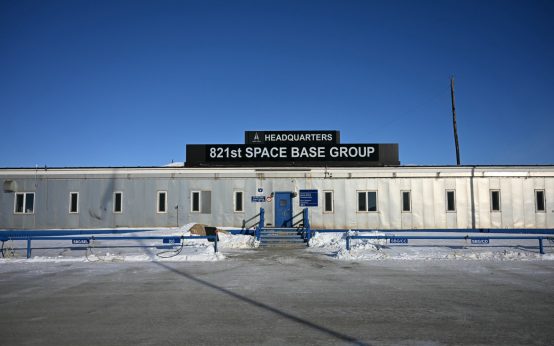 New U.S. Military Bases Planned in Greenland Amid Strategic Security Deal
  Twitch Streamer Hasan Piker Discusses Controversial Commentary
  A Shifting Political Landscape: The Decline of Autocratic Power
  Trump Delivers Warning to Iran, Cuba at UN General Assembly
 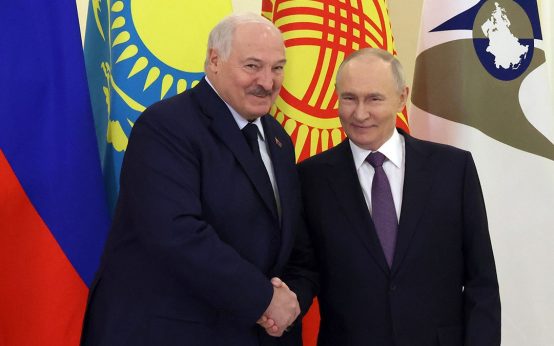 Lukashenko and Putin’s Unique Relationship and Belarus’ Strategic Role
  Alan Ritchson Faces Backlash Over Political Remarks