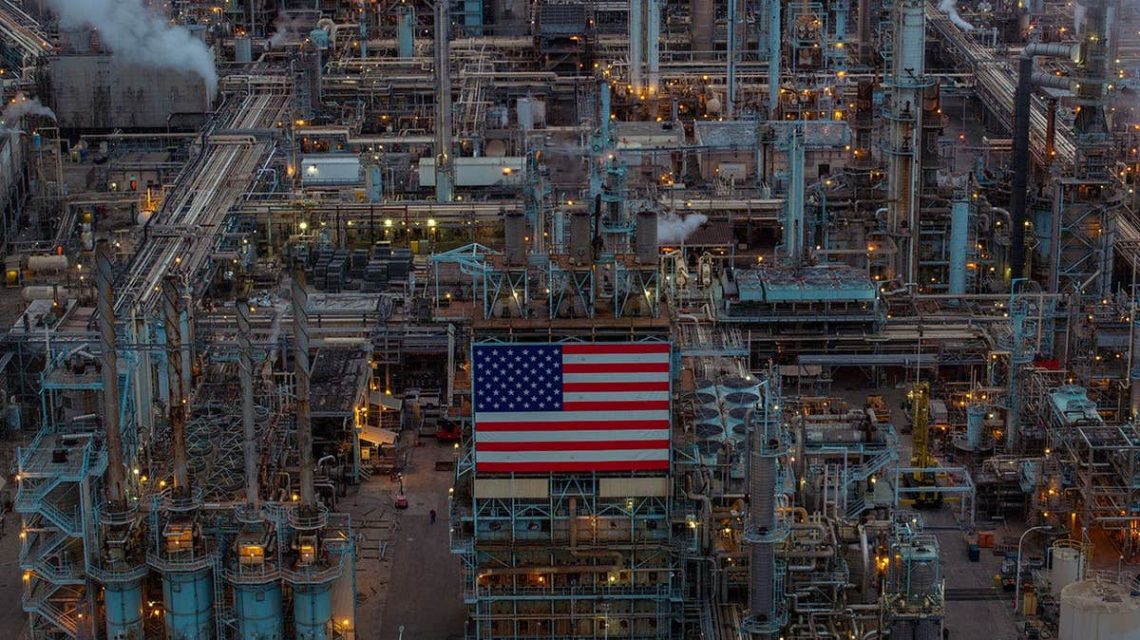
The geopolitical focus remains on tankers navigating the Strait of Hormuz, but the real energy challenge lies underground. Art Berman, a seasoned petroleum geologist, highlights deeper issues affecting the global oil supply.
Underground Challenges
Berman notes that millions of barrels of oil production in the Persian Gulf are currently inactive. Restarting these wells is complex, requiring intricate communication between surface equipment and underground reservoirs.
This process is far from simple. It involves long-term risks and uncertainties, impacting global production.
He estimates that approximately 80% of wells might return to previous levels over weeks or months. However, others require engineering work or may remain below prior output.
Technical Obstacles
While midstream issues like tanker movements are crucial, upstream production challenges are more enduring. Restarting Gulf production faces substantial technical hurdles, according to energy analysts.
Wood Mackenzie projects that affected fields could recover 70% of their previous output in three months and 90% within six months, assuming a controlled process. The last 1 million barrels per day could take much longer.
Long-Term Impact
Berman argues the Persian Gulf conflict represents a fundamental shock to global energy systems, with effects lasting beyond immediate crises.
This isn’t merely a temporary news cycle. The consequences could reshape global energy dynamics.
He compares the scale to major disruptions like the COVID-19 pandemic, emphasizing the impact on economies worldwide.
Global Dependency
Despite the U.S. being the largest oil producer, American consumers are still affected by global disruptions. U.S. refineries need specific crude grades, keeping them tied to international markets.
The recent Hormuz disruptions have shifted global buyers to alternative sources, leading to increased U.S. refinery margins and exports.
U.S. Energy Security
The White House acknowledges disruptions but emphasizes increased U.S. oil and gas production. This strengthens energy independence and national security.
Officials urge allies to invest in secure energy sources, adapting to geopolitical shifts.
The global energy system faces challenges in resuming pre-conflict operations, requiring comprehensive industry adjustments.
 Pope Leo XIV’s Upcoming Visit to Latin America: An Overview
  Ukraine Deploys Ground Robots in ‘Operation Vivaldi’
  Understanding AI’s Impact Compared to Historical Threats
  State Department Alerts on Middle East Travel Amid Rising Tensions
  Iran’s Attacks on Bahrain: The Impact on Military Families
  United Russia’s Dominant Election Result: Implications for Putin’s Ukraine Policy