Global Wildfire Trends and the Impact of Human Activity
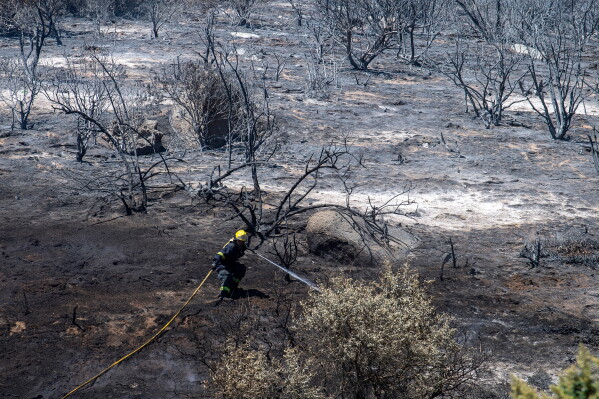
This summer, wildfires have intensified in Europe and North America, while global burning statistics show a record low. The contradictory trends result from human actions affecting the planet, as explained by fire scientist Mike Flannigan from Thompson Rivers University in Canada. Despite Spain experiencing its largest wildfire, over 193 square miles, and Europe approaching an all-time high from 2025, global wildfires have shifted.
Heightened Wildfire Activity in North America and Europe
In North America, wildfires have burned 25% more land than the 10-year average, doubling levels from decades ago according to national wildfire centers. Smoke has degraded air quality across large regions. According to University of Colorado fire scientist Jennifer Balch, wildfires are increasing in size, intensity, speed, and frequency across the United States, Canada, and Europe.
“Extreme wildfires are on the rise globally in different parts of the world,” Balch said.
Decreasing Fire Emissions in Africa and Asia
Despite the surge in wildfires elsewhere, Africa and Asia have reduced fires through changing agricultural practices and improved fire management, according to the European climate center Copernicus. Sub-Saharan Africa’s fire activity decreased significantly over 25 years, affecting global emission statistics. Traditionally, Africa’s grassland fires contributed heavily to global fire activity; however, as land is increasingly used for housing and farming, fires are limited, said John Abatzaglou from University of California Merced.
Human Influence on North American and European Fire Trends
In North America and Europe, climate change exacerbates wildfires by creating hotter, drier conditions. Five experts, including Abatzaglou, highlight that burning fossil fuels increases temperature and dries out forests. Warmer nights prevent recovery for both forests and firefighters, contributing to more extreme fires.
Williams mentioned that climate change has extended the burning season in North America, with more frequent days suitable for wildfires. With fires affecting populated areas, damage to valuable properties increases.
El Nino’s Potential Impact on Global Fires
Upcoming El Nino conditions may worsen fire activity, particularly in tropical regions like the Amazon and Southeast Asia. South American governments are preparing for increased fire risks during this weather pattern. Williams emphasized that El Nino could increase tropical fires, while in the western United States, rainfall from El Nino could promote grass growth, fueling potential grass fires.
Balch advised improving planning and adaptation strategies, including prescribed burns, as landscapes will inevitably burn.
The Associated Press’ climate and environment coverage receives financial support from various private foundations. AP maintains sole responsibility for all content. Learn more about AP’s policies and funded projects at their website.
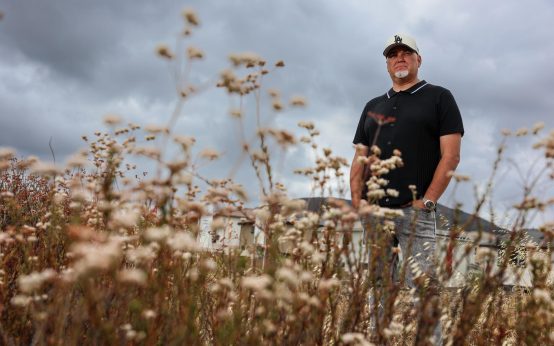 Challenges in California’s Home Insurance Market
 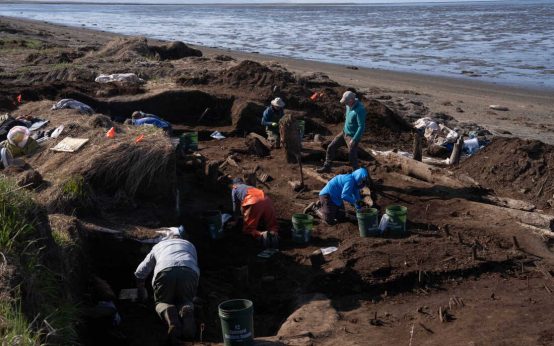 Race Against Time: Preserving Quinhagak’s Archaeological Heritage
 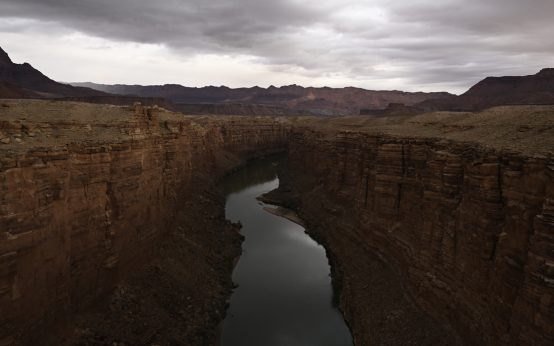 Managing Drying Rivers: The Need for New Approaches
 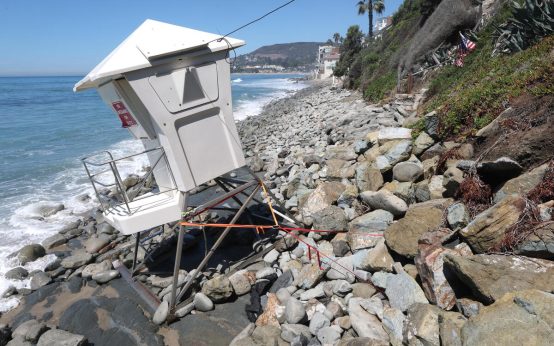 Coastal Damage from Kelvin Waves and Rising Sea Levels in Southern California
  Heat Dome Tightens Over South-Central US with Triple-Digit Temperatures
 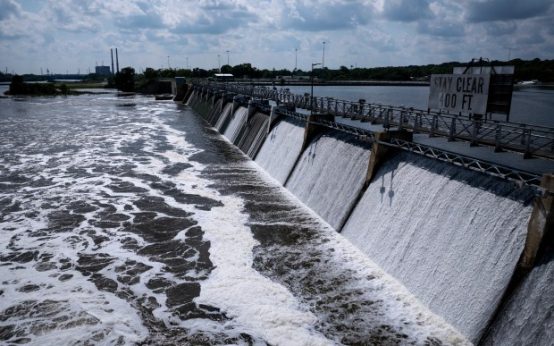 Army Corps Resumes Construction on Brandon Road Lock and Dam Project