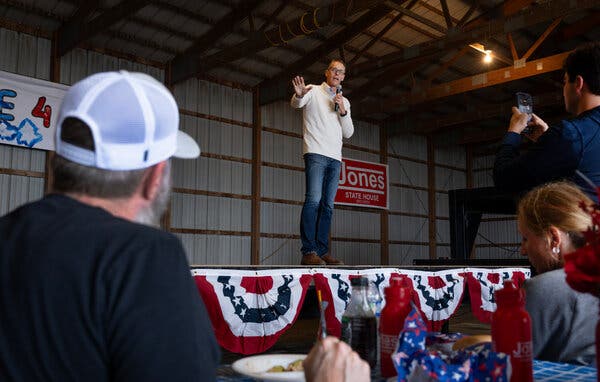
In a surprising turn of events, Republican voters in Iowa chose a different path in the primary race for governor. Representative Randy Feenstra, who had recently secured the endorsement of President Trump, lost his primary bid. This result highlights a moment of uncertainty about Trump’s influence within the Republican Party.
Despite successfully endorsing several candidates in recent months, this high-profile defeat shows a crack in Trump’s usual sway. Feenstra’s campaign failed to connect with voters as effectively as his opponent’s did. Zach Lahn, a conservative political operative and farmer, led an insurgent campaign that secured the win over Feenstra.
Feenstra’s efforts were seen as lackluster, which contributed to his defeat. Moreover, he faced resistance from former Representative Steve King, whom Feenstra had defeated in a 2020 primary. King endorsed Lahn, strengthening Lahn’s campaign.
Trump’s endorsement has traditionally been seen as a powerful tool in Republican politics. In recent times, it has helped unseat several political opponents from within the party. Feenstra’s loss, however, suggests that this support might not guarantee victory.
The primary loss reflects mixed signals about Trump’s continued power and influence over the Republican Party. Feenstra’s defeat came despite the usual strength associated with a presidential endorsement, indicating potential changes in the political landscape.
 Trump Delivers Warning to Iran, Cuba at UN General Assembly
  Trump Delivers Stern UN Speech on Iran, AI, and Global Security
 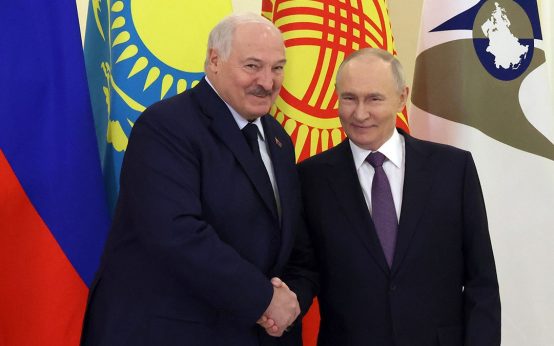 Lukashenko and Putin’s Unique Relationship and Belarus’ Strategic Role
 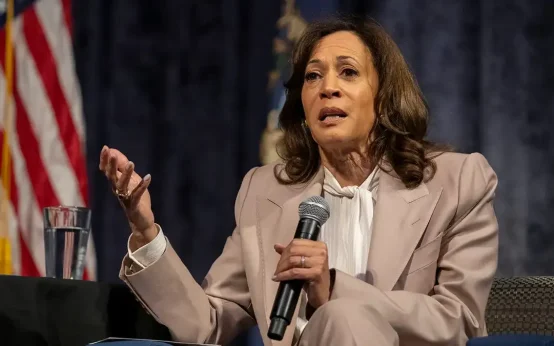 Harris Discusses Potential 2028 Presidential Run
 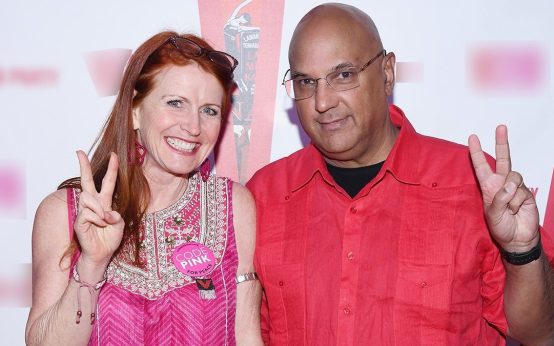 Far-Left Groups Allegedly Organize Protests in Austin
 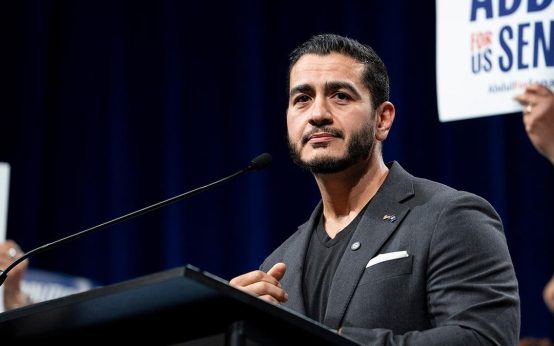 Michigan Senate Nominee Abdul El-Sayed Criticized for Remarks on Reproductive Rights