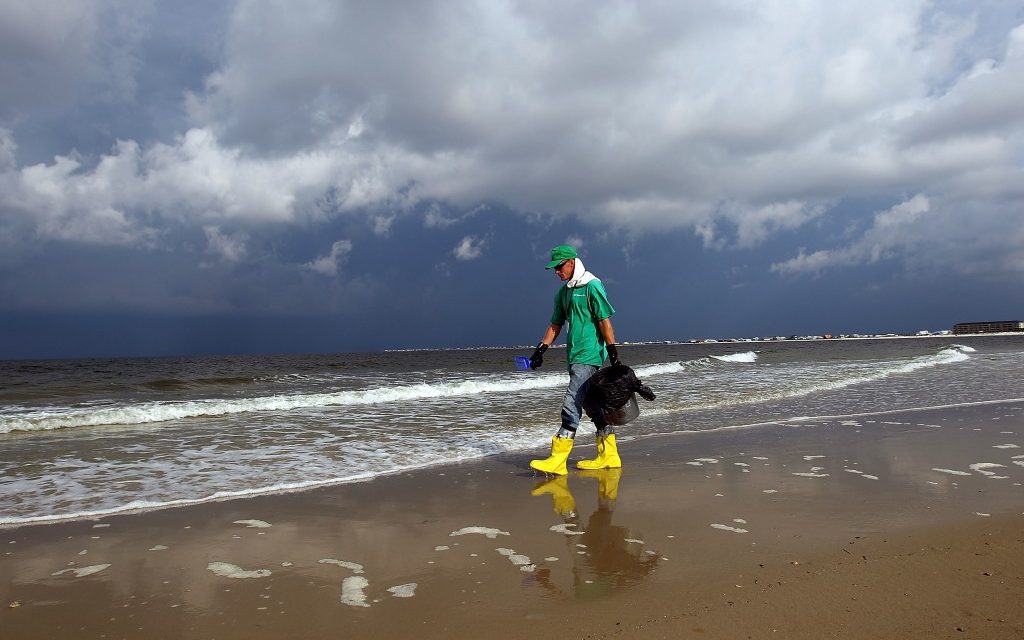
In a lesser-known region of the Gulf of Mexico, marine life experienced a significant decline following the 2010 Deepwater Horizon oil spill. A recent study published in the journal PNAS highlights how the biodiversity in the Gulf’s intermediate layer, often referred to as the ‘twilight zone,’ suffered due to the spill.
The oil spill, caused by the failure of the BP-operated well, led to a release of 134 million gallons of oil into the Gulf. This ecological disaster severely impacted the marine life in this crucial zone, which lies between the ocean surface and its depths. Fish populations fell by 63.5% from the year after the spill up to 2015. Crustaceans, essential to the food chain as whale prey, decreased by 62%. Larger creatures like squid and octopuses saw a 59.7% decline. Unfortunately, these populations have yet to show significant recovery.
Study lead author Tracey Sutton, from Nova Southeastern University, noted that these declines were observed despite thorough analysis of variables such as temperature, oxygen levels, and food supply, which remained constant. The timing and scale of the decline pointed directly to the oil spill as the primary cause.
An investigation in 2011 used nets and acoustic sonar to assess sea life from surface levels to depths of 1,500 meters. Findings showed a dramatic reduction, with the sea life population plummeting to one-third or one-quarter of previous levels upon reevaluation three-and-a-half years later.
Diverse evidence supported these findings, including net catches, sonar data, and genetic studies revealing reduced genetic diversity from inbreeding. Immediate harm occurred during the spill, affecting marine life and contaminating eggs, weakening future generations.
BP spokesperson Paul Takahashi acknowledged the lasting impact of the accident, noting changes intended to prevent future occurrences. Study co-author Isabel Romero noted both the oil and dispersants used in cleanup efforts contributed to the harm, each in different ways.
Researchers like Rita Colwell have suggested alternatives to dispersants, such as introducing agents that foster oil-degrading microbes. Though a direct causal link can only be theorized, Sutton’s analyses strongly suggest the spill’s influence on marine life decline.
Lanternfish and krill populations dwindled significantly, while dragonfish species were also notably affected. These species are vital to the oceanic food chain, making these losses especially concerning.
The research demonstrates the interconnectedness of the Gulf’s ecosystems from surface to deep sea, with marine animals moving vertically within this vast environment. Sutton emphasized the complex dynamics of the ocean’s layers, contrasting earlier perceptions of them as isolated stacks.
Marine scientists not involved in the study emphasized the extent of damage and its implications for future discussions on deep-sea mining and oil exploration. According to Kaitlin Frasier from Scripps Institution of Oceanography, the spill’s consequences were underestimated due to the lack of visibility in these regions.
Boris Worm from Dalhousie University reflected on how a single incident could influence an ecosystem over a wide area with prolonged effects. Worm and Colwell highlighted the need for heightened awareness of deep-sea environmental impacts.
 Michigan City Residents Urge NIPSCO’s Coal Plant Retirement Amid Environmental Concerns
 Reassembling the F-117 Nighthawk at Smithsonian
 Lake Forest Preservation Symposium Emphasizes Community and Future
 Ancient Ring Discovery in Cleopatra’s Harbor Highlights Lost Wonder
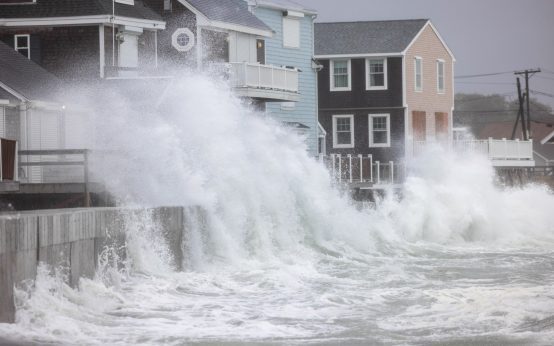 Nor’easter Threatens U.S. Coastal Areas Amidst Quiet Hurricane Season
 Southern California Faces Santa Ana Winds and Elevated Wildfire Risks