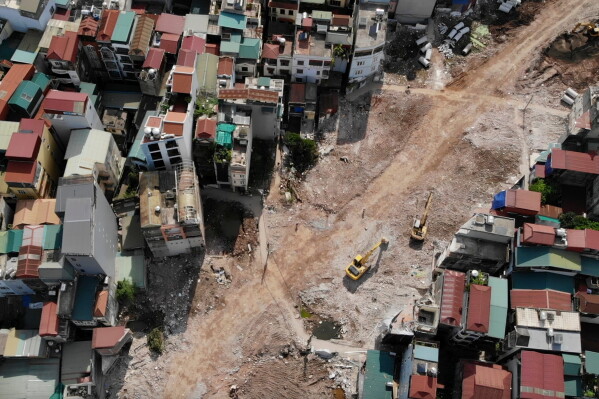
Hanoi, Vietnam’s capital, is amidst a profound transformation driven by the country’s goal of achieving double-digit economic growth. The city is investing heavily in infrastructure projects while aiming to evolve into an ultramodern metropolis fit for the next century. In the first half of 2026, Hanoi allocated $2.4 billion to land clearance for nearly 1,500 projects. This expansion reshapes one of the world’s oldest capitals.
Authorities emphasize that redevelopment efforts include vital flood controls and pollution reduction measures. Vietnam faces extreme weather challenges due to climate change. The country regularly endures intense typhoons, floods, and severe heat. Thick smog often blankets Hanoi, categorizing it among the most polluted cities globally. However, the pursuit of modernization imposes significant costs on residents. Homes, livelihoods, and familiar landscapes are vanishing, replaced by urban development. Clouds of dust from demolition sites blanket neighborhoods, settling on rooftops, trees, and remaining structures.
Nguyen Thi Nhan, once a successful fruit vendor, saw her street front home demolished for road construction. She awaits compensation and rents accommodations for her family and parents. Uncertainty clouds her future as redevelopment progresses.
“We just have to wait. I don’t know where they will relocate us,” Nhan said.
Hanoi’s ambitious plans include massive infrastructure and development projects. Aerial imagery captures construction sites like new ring roads slicing through residential communities. Big billboards showcase visions of gleaming towers, spacious boulevards, and vibrant parks. The city plans the demolition of colonial villas, narrow shophouses, and densely packed low-rise buildings. Comprehensive urban projects promise new roads, bridges, and transit links connecting airports and neighboring provinces.
The major highlight is a $28 billion redevelopment along the Red River, surpassing the central Paris footprint. Spanning 11,400 hectares, these efforts promise new urban districts, parks, drainage, and flood controls to tackle chronic inundation issues.
Hanoi’s transformation unveils plans for a $35.2 billion Olympic sports area led by Vingroup, Vietnam’s leading conglomerate. This development features one of the largest soccer stadiums globally, shaped like a drum, accommodating 135,000 fans. Transportation reforms will reshape Hanoi’s growth by redistributing pressure from the historic center. Modern infrastructure is key to attracting foreign investments and expanding opportunities for residents.
Yet, experts highlight the risks. Nguyen Khac Giang, a visiting fellow at Singapore’s ISEAS–Yusof Ishak Institute, warns construction boom may divert capital from Vietnam’s high-tech industry development ambitions. Property prices are climbing, potentially leaving banks vulnerable to bad loans if the market weakens. Apartment and land costs have surged, challenging affordability in Vietnam’s major cities.
A 2025 S&P Global report shows developers are heavily indebted, with debt levels surpassing those in similar countries. Although real estate represents 3.5% of Vietnam’s GDP, it accounts for roughly a quarter of bank lending.
“There are huge economic opportunities arising from those projects, but there are risks that need consideration,” Giang pointed out.
Hanoi’s transformation evokes concerns about what may be lost in the process. Residents struggle with the disruptions as long-standing communities and memories fade. Street life faces increasing regulation, such as a citywide crackdown on illegal parking and commercial encroachments. Police patrols in the Old Quarter remind vendors to remove stools and tables from sidewalks.
Thuy, a beef noodle soup vendor, shared, “My profits are small to begin with; now, I struggle further.”
The Bac Cau community demonstrates rare public dissent, calling on city authorities to preserve their village along the Red River.
“We want to continue to live here; we’ve been here for generations,” Van, a resident, expressed.
Hanoi’s redevelopment brings broader questions regarding execution and community inclusion. Though compensation and resettlement rules exist, some residents remain uncertain about relocation and compensation.
Experts argue that modernization itself isn’t the issue; the challenge is its aggressive pace and limited consultation with residents and specialists. Preserving Hanoi’s historical, cultural, and economic features in redevelopment proves crucial.
“Once we depart from the city’s history, it’s hard to revert,” Giang cautioned.
The city’s current efforts focus on reshaping existing environments, unlike past decades of expansion. This endeavor requires redeveloping neighborhoods and relocating institutions, demanding comprehensive execution and cooperation among government entities.
“The next 20 years will be about rebuilding Hanoi,” Linh Nguyen from Control Risks noted.
 Challenges in California’s Home Insurance Market
 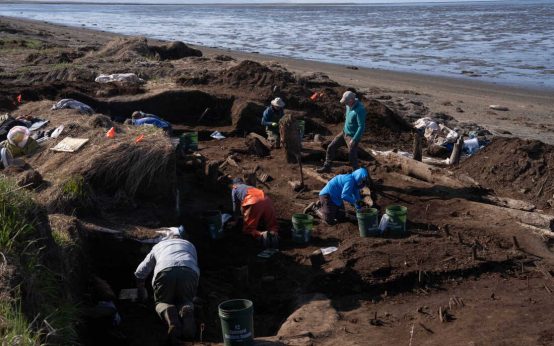 Race Against Time: Preserving Quinhagak’s Archaeological Heritage
 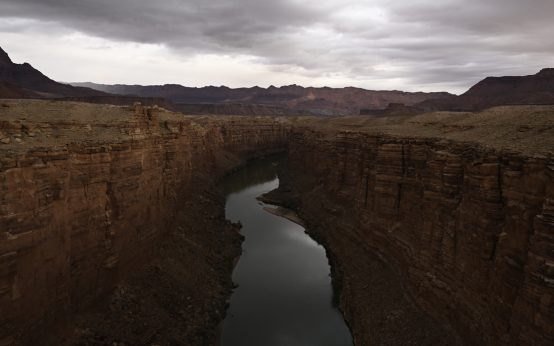 Managing Drying Rivers: The Need for New Approaches
 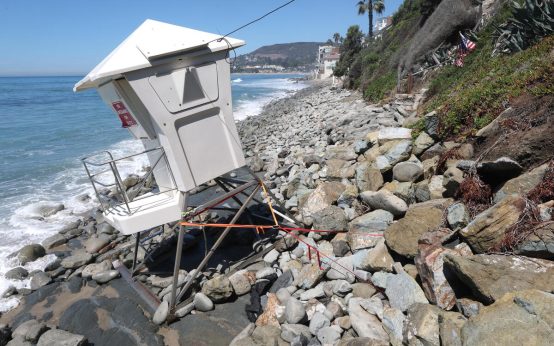 Coastal Damage from Kelvin Waves and Rising Sea Levels in Southern California
  Heat Dome Tightens Over South-Central US with Triple-Digit Temperatures
 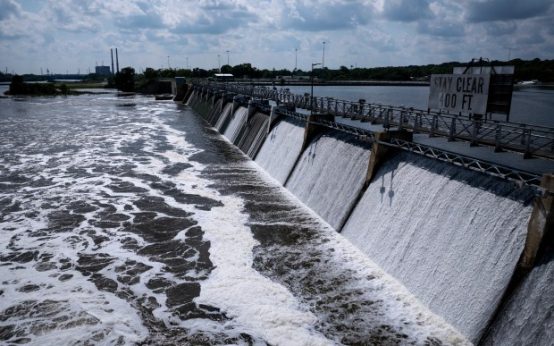 Army Corps Resumes Construction on Brandon Road Lock and Dam Project