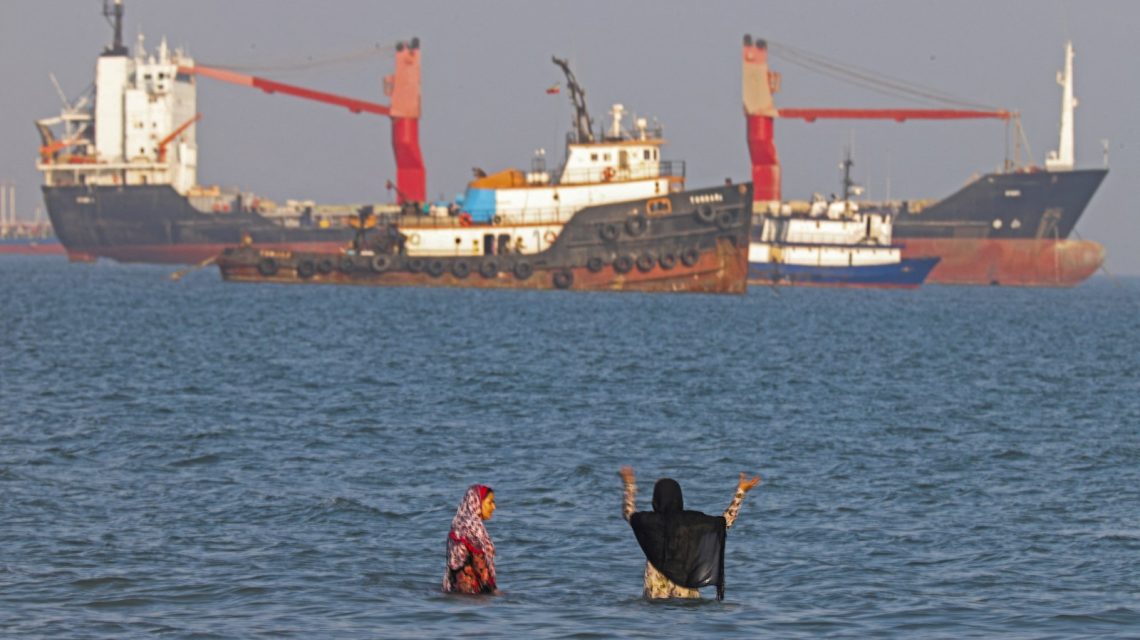
The ongoing conflict involving Iran has reached a significant milestone of 100 days. This period has seen shifts in the expected balance of power and the emergence of both beneficiaries and adversaries across political and economic landscapes. Traditional references to the ‘first 100 days’ often highlight a period for rapid achievement, yet this war paints a different picture through a sobering array of statistics: up to 2,211 fatalities, over 22,000 injuries, and more than 3.9 million people displaced, as reported by missile strikes.com.
The conflict has spread to neighboring Lebanon, disrupted global energy markets, provoked Iranian retaliatory actions across the Gulf, and strained the United States’ standing in regional and international diplomacy. This raises questions about those who have gained and those who have suffered.
Winners
Iran’s Regime
Initially targeted by the U.S. and Israel, the Iranian regime sustained damage to infrastructure and suffered economically from destabilization efforts. Despite setbacks, Iran maintains control, countering the rhetoric of impending collapse proposed by President Donald Trump. Iran has exacted economic tolls on its adversaries, including Israel and Gulf states, while leveraging strategic geopolitical positions like the Strait of Hormuz.
Talks about nuclear capabilities remain contentious, with access for international inspectors limited. The International Atomic Energy Agency’s chief, Rafael Grossi, highlights ongoing challenges in diplomacy while Khodorkvsky, a former U.S. State Department official, warns of potential long-term implications.
China
China, purchasing a significant portion of Iran’s crude exports, plays a crucial role in Middle Eastern diplomacy, asserting pressure for reopening critical transit routes. Amid global political shifts, China stands positioned to influence the regional order more extensively.
Despite economic uncertainties, China has managed external shocks effectively, juggling domestic and international challenges.
Ukraine
The Iran conflict redirects global focus away from Ukraine, temporarily impacting sanctions on Russian energy exports. Kyiv’s expertise in drone warfare opens new alliances, fostering stronger ties with Gulf nations and attracting interest from the United States in counter-drone technologies.
Losers
Energy Market
The geopolitical volatility has led to fluctuating oil prices, impacting consumer costs worldwide, notably in Brent crude markets. Analysts highlight the broader challenges of uncertainty, affecting traditional supply chains and long-term market stability.
Lebanon
Lebanon has seen escalated tensions with Hezbollah’s involvement, complicating governance amid external military actions. Israeli operations and evacuations impact significant portions of Lebanese terrain, increasing displacement and furthering humanitarian challenges.
The profound societal impacts are marked by destruction, displacement, and ongoing security concerns.
Uncertain Outcomes
Israel
Israel’s aggressive stance aims to dismantle Iranian-imposed threats and empower political change. While it confronts notable proxy threats, the broader geopolitical interplay remains dynamic.
Israel’s strategy involves decoupling regional conflicts, differentiating its approach from wider U.S.-Iran negotiations, seeking focused concessions with Lebanon.
 Lukashenko and Putin’s Unique Relationship and Belarus’ Strategic Role
  Alan Ritchson Faces Backlash Over Political Remarks
  Himalayan Pilgrimage: A Couple’s Narrow Escape and Lingering Questions
  Former CEO Sentenced for Bank Fraud and Sanctions Evasion
  Russia’s Potential Incursion Into Estonia: NATO’s Resilience Under Scrutiny
  Senators Urge Action to Free Imprisoned Journalist in Iran