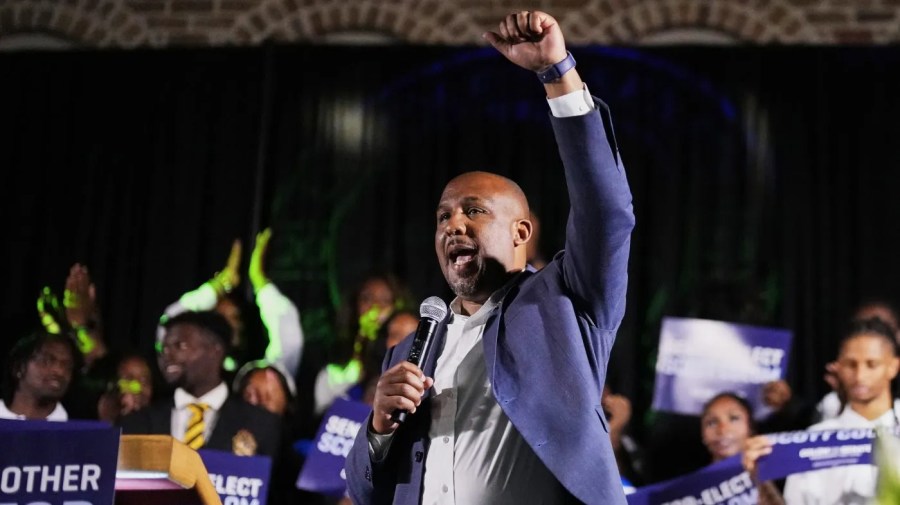
The incoming class of House freshmen is preparing to bring significant changes to Congress. Two weeks after their historic election victories, the new House Democrats are prioritizing transformative legislative goals. Among their first objectives are reversing Medicaid cuts and implementing a ban on stock trading by members. This comes as the party enjoys one of its largest congressional majorities in recent times.
This group of freshmen includes individuals with diverse backgrounds, such as a smokejumper, a mayor, state lawmakers, and an emergency nurse. They are eager to influence the culture in Washington, D.C., aiming for it to better represent the citizens who supported their elections. Bipartisanship is a key focus for these new lawmakers. As Rep.-elect Sam Forstag (D-Mont.), a smokejumper and union leader, expressed, the presence of working-class individuals in Congress has become rare, affecting representation.
The new Democratic freshmen enter with the largest majority since at least 2008, as the party held at least 257 seats then. However, some races remain undecided. In past decades, such as in 1992, Democrats held a commanding presence in the House with 258 seats, nearly reaching the 267 seats won in 1990. Despite more than half of the American workforce identifying as working-class, Congress has only about 2 percent representation from that background. Wealth disparities persist, with many lawmakers being millionaires.
Prof. Nicholas Carnes of Duke University, who studies working-class representation, highlights the challenges faced by working-class individuals aspiring for congressional office. The burden of campaigning, particularly funding challenges, acts as a barrier for many candidates. Rep.-elect Cyril Jefferson (D-N.C.) notes the influence of wealth in securing housing and transportation for elected officials.
Carnes emphasizes that the absence of working-class life experiences among politicians limits Congress’s ability to effectively represent workers. Working-class candidates often face additional financial worries, such as unpaid time off, along the campaign trail. Consequently, major parties may favor white-collar candidates.
Rep.-elect Matt Little (D-Minn.), reflecting on his campaign experience, highlights the significant time dedicated to fundraising. This focus detracts from engaging with constituents, suggesting a need for reform in campaign financing.
Initiatives like the New Jersey AFL-CIO’s “Labor Candidates School” aim to equip working-class candidates with the necessary resources. Researchers propose reforms like seed money and scholarships for working-class candidates. Meanwhile, the current election cycle has resulted in the election of a diverse set of candidates across key demographic groups, including a record number of women and first-time representation for several minority demographics.
Freshmen like Rep.-elect Zach Dembo (D-Ky.) are taking steps to foster bipartisanship, organizing informal meetings to connect across the aisle. Others, like Rep.-elect Michael Alfonso (R-Wisc.), signify a younger demographic shift in Congress compared to their predecessors.
Some freshmen, including Little from Minnesota’s 2nd Congressional District, aim to demonstrate consistency between campaign promises and legislative actions in Washington. Other newly elected members have specific areas for cultural adjustment, such as reevaluating the formal dress code, as suggested by Forstag. Jefferson advocates for maintaining compassion in political discussions.
The changes and proposals from this new class of Democrats reveal a shared vision for a more representative and inclusive Congress.
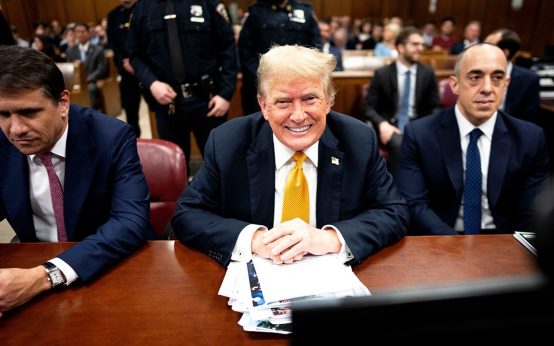 Federal Appeals Court Revives Trump’s Legal Action in New York Hush Money Case
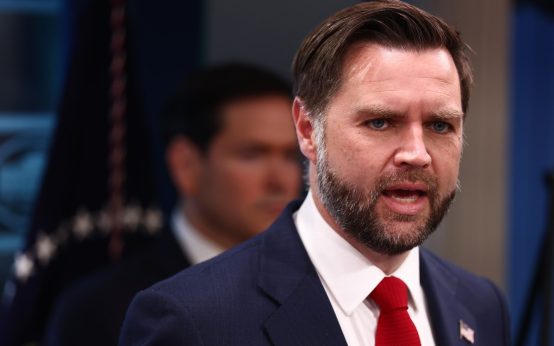 Vice President Vance on Nvidia and National Security
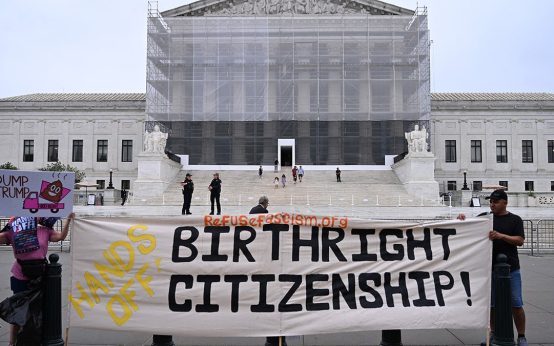 Federal Judge Blocks Trump’s Birthright Citizenship Order
 U.S. Intelligence Examines Alice Huang’s Connections Amid Security Concerns
 Latest Global Events: Violence in Colombia, School Controversy in Texas, Storm Warning, and More
 Federal Judge Blocks Trump’s Executive Order on Birthright Citizenship