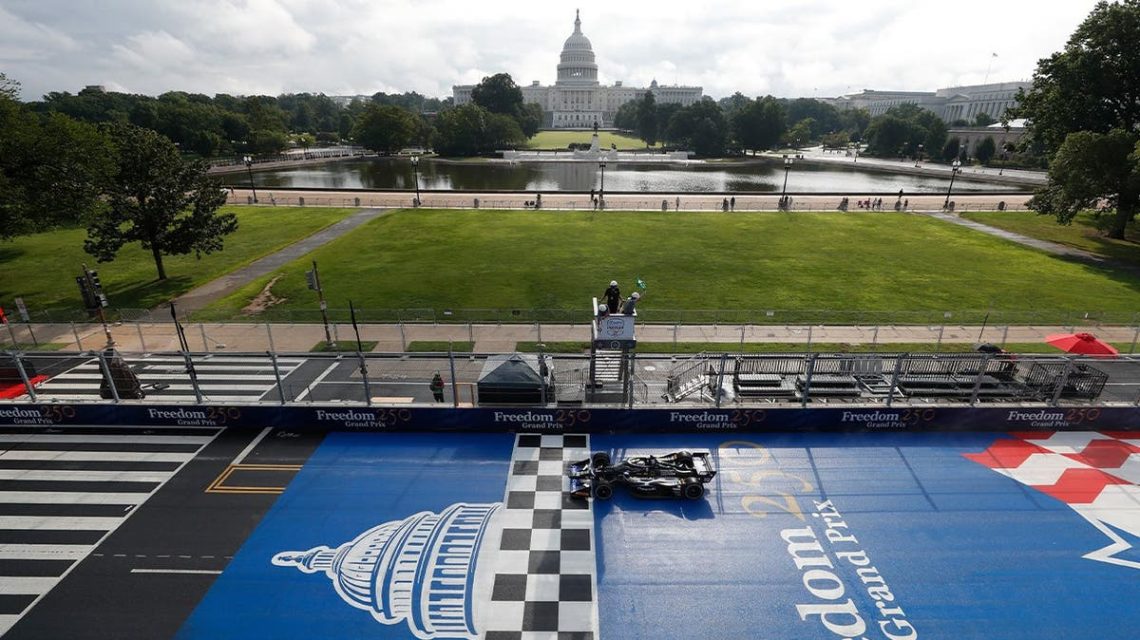
The IndyCar Freedom 250 Grand Prix weekend kicked off with several practice sessions, offering teams a chance to adapt to varying track conditions. The initial session allowed drivers to test wet tires, while the second session took place on a dry track, just hours before the qualifying rounds.
Graham Rahal experienced a significant setback during this session. His No. 15 Honda encountered trouble as the rear of the car lost traction in a braking zone, causing him to hit the wall. This incident led to a red flag only ten minutes into the session, reducing his valuable preparation time before qualifying.
With the dry conditions, lap times improved as drivers became more accustomed to the challenging seven-turn street circuit. However, the same track section that troubled Rahal also caught Louis Foster, his RLL teammate. A bump in the braking zone of Turn 6 caused Foster to lose control and damage his front wing against the inside wall. Unlike Rahal, Foster managed to drive back to the pits despite the damage, allowing his team to make repairs and return him to the track.
As practice continued, team strategies began to unfold. Team Penske waited until later in the session to unleash Scott McLaughlin in the No. 3 Chevrolet, who posted the day’s fastest lap at 56.895 seconds using primary tires.
Next, the drivers explored the potential of alternate tires, which are known for offering quicker single-lap times crucial for qualifying. Kyle Kirkwood from Andretti Global maintained impressive performance, achieving a P2 finish with primary tires. Meanwhile, Alex Palou led the session with a top time of 56.615 seconds on red alternate tires, closely followed by Kirkwood’s 56.691 seconds on primary tires.
The unpredictable nature of qualifying remains a focus, with Kirkwood showing the potential for even faster times. As the race approaches, competitors will need to remain vigilant of track conditions, especially around Turn 6. The upcoming qualifying rounds promise to determine how well these practice insights translate into actual grid positions.
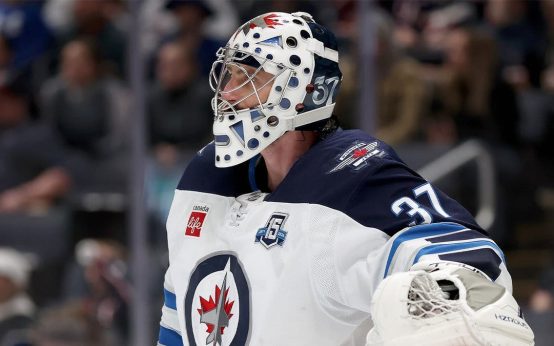 US Olympic Hockey Teams Celebrated at White House After Historic Wins
 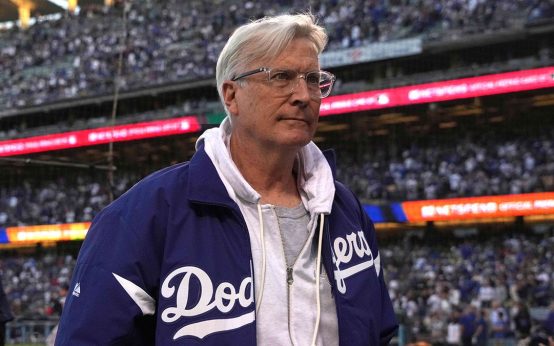 Los Angeles Dodgers Owner Under Investigation Amid Allegations
 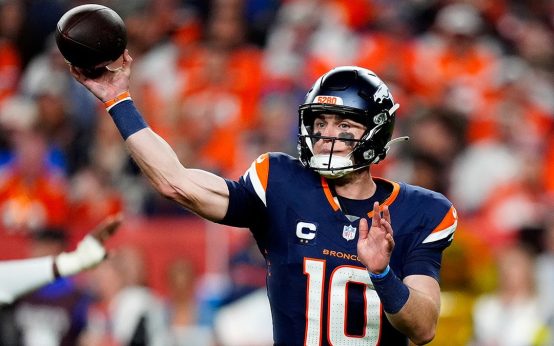 Sean Payton Criticizes Geoff Schwartz’s Analysis of Bo Nix
  New Developments in Josh Jacobs Domestic Misdemeanor Case
  Josh Jacobs Faces Potential Legal Consequences and NFL Discipline
  Masai Russell Breaks 100m Hurdles World Record