
On Sunday, Russia struck Kyiv and other Ukrainian cities with a combination of ballistic missiles, drones, and guided bombs. At least six people died and dozens were injured as reported by Ukrainian authorities. This assault underscores Ukraine’s limited access to U.S.-made Patriot air defense systems, which are vital for intercepting such attacks.
Recently, Russia has increased its use of ballistic missiles to prevent Ukrainian attacks on its oil facilities. These facilities are critical for both military and civilian fuel supplies in Russia. Former U.S. President Donald Trump has expressed willingness to allow Ukraine to produce Patriot systems to enhance its defense capabilities. Despite this, the timeline and specifics remain uncertain, with full production expected to take years.
The latest offensive on Kyiv started around 1:30 a.m. and lasted for several hours. The Ukrainian air force reported that Russia launched 41 missiles and 125 drones across Ukraine during the night. President Volodymyr Zelenskyy stated that most missiles aimed at the capital. Later that day, a Russian strike on a postal facility near Kharkiv, Ukraine’s second-largest city, resulted in three deaths and at least 20 injuries, according to the regional administration.
Attacks also occurred in Kherson and Sumy, where guided bombs caused fatalities and significant damage. In Kyiv, the strikes resulted in fires across five districts, affecting residential areas, offices, industrial sites, and vehicles. The State Emergency Service highlighted the psychological toll of these attacks, with frequent bombardments becoming the norm. Many residents, like Viktoria Shejko, find it increasingly difficult to cope with the relentless violence.
Russia’s Defense Ministry claimed the targets were military-linked, focusing on drone production and other dual-use facilities. While rescuers managed several evacuations, casualties were inevitable.
In a separate incident, an attack on the Caspian Pipeline Consortium terminal off the Black Sea impacted oil loadings. The strikes hit the ASIA and NISSOS tankers, causing a fire on the ASIA, which was extinguished without casualties. This action aligns with Ukraine’s strategy to disrupt fuel supplies to Crimea and address oil shipments violating international sanctions.
President Zelenskyy announced further operations against Russian energy infrastructure, marking another stage of Ukraine’s counter-offensive. Ukrainian units targeted oil depots and tankers, intensifying the fuel crisis in Russia.
Russia’s Defense Ministry stated that 140 Ukrainian drones were intercepted across multiple regions overnight. The continuous attacks point to heightened tension, impacting both military operations and civilian life.
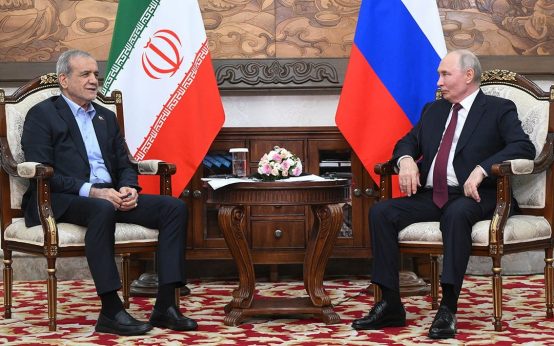 Russia’s Expanding Relationship with Iran: Strategic Plans for 2024-2026
  Ed Sheeran Expresses Regret Amid Controversy Over Macklemore’s Tour Exit
  Confronting China’s Religious Oppression: A Call to Action
 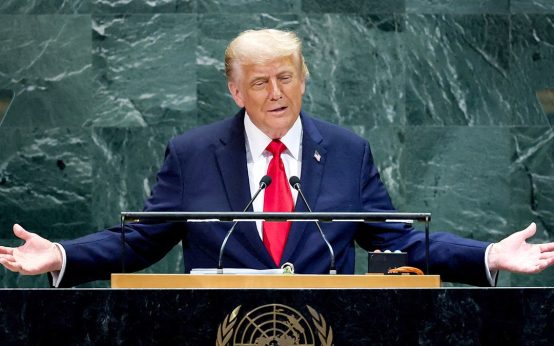 Diplomatic Complexities at the United Nations General Assembly
 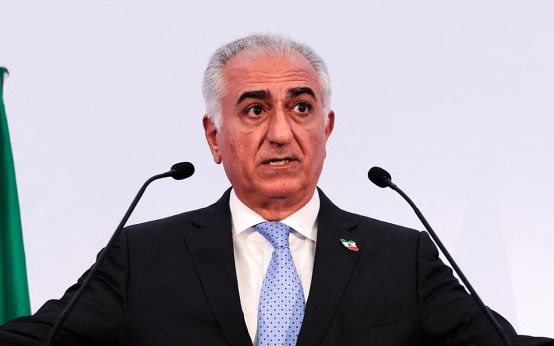 Understanding Iran’s Political Struggle: The Path to Transition
  Kate Middleton: The Monarchy’s Brightest Star