
On Saturday, large crowds of Iranians gathered to view the casket of Ayatollah Ali Khamenei at a state funeral. The supreme leader, who had a significant influence in Iran, was killed in the U.S.-Israeli conflict in late February. The funeral began at the Grand Mosalla mosque in Tehran, initiating six days of public ceremonies. Millions are anticipated to participate as his body is transported through various cities across Iran.
Journalists from The New York Times reported seeing supporters in tears over the caskets of Ayatollah Khamenei and his family, killed alongside him. These caskets were displayed atop a stage and draped with Iranian flags. This event occurs during a tumultuous time for Iran, marked by antigovernment protests and a subsequent war with the U.S. and Israel. The Iranian government faced criticism for the lavish funeral logistics amid economic challenges.
**Public Reaction and Political Dynamics**
Ayatollah Khamenei’s son, Mojtaba Khamenei, was named the new supreme leader. Since his appointment, he has remained absent from public view due to security reasons. The funeral was delayed until after a cease-fire was signed between Iran and the U.S. last month. Despite the mourning, there is notable dissent within the country, with many viewing the event as excessive given the current economic hardships.
The funeral procession begins in Tehran and will travel to Qom, Karbala, and Najaf in Iraq, before ending in Mashhad. These cities are significant Shiite sites and the mourning processions are expected to draw millions.
The event was intended as a show of strength for Iran’s Islamic Republic, which survived despite U.S. and Israeli aspirations for regime change.
Conservative supporters, like Ali Heydar, expressed deep dedication to participating in the ceremony. However, the event has also seen criticisms, with some questioning the cease-fire agreement as a submission to foreign powers.
**Attendance and Security Concerns**
Ayatollah Mojtaba Khamenei, the new leader, might not attend due to security risks. During the initial conflict, he reportedly sustained injuries and his current whereabouts remain concealed. Within Iran, the potential threat of another attack on the Khamenei family complicates the situation further. His security team has reportedly advised against his attendance, prioritizing his safety.
**Funeral Logistics**
The procession presents logistical challenges, given the widespread popular participation expected. The event in Tehran attracted international attention, with foreign dignitaries visiting to pay respects. Despite unresolved tensions, the Iranian government aims to project an image of unity during this period of national mourning.
Amid high temperatures, medical teams positioned themselves to assist attendees, while overhead sprinklers misted the area to provide relief from the heat. Volunteers distributed water to manage the situation effectively. The scene was emotional, with the attendees showing various expressions of grief and solidarity.
**Historical Context and Legacy**
Ayatollah Ali Khamenei played a central role in shaping Iran’s recent history. From his early opposition to the Shah to his leadership during the Iran-Iraq War, his influence was significant. Under his rule, Iran established itself as a regional power, often in direct opposition to the U.S. and its allies. His political strategies focused on supporting armed groups that extended Iranian influence throughout the Middle East.
Throughout his tenure, Ayatollah Khamenei maintained strict control over the country’s political landscape. He quashed dissent and upheld Iran’s theocratic rule, often responding harshly to internal and external pressures. This approach has left a mixed legacy, with Iran described as more isolated yet powerful.
As the funeral ceremonies continue, they serve as both a historical closing and a signal of Iran’s future trajectory under a new supreme leader. The international and domestic communities alike observe closely, weighing the implications for ongoing geopolitical conflicts and internal governance.
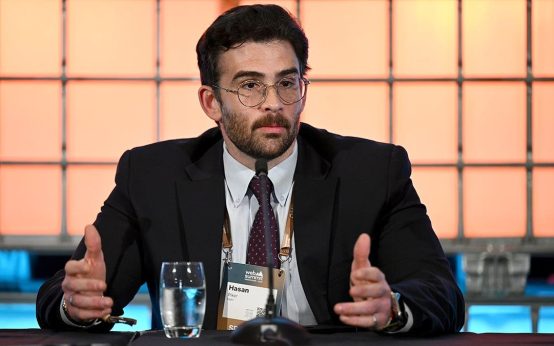 Twitch Streamer Hasan Piker Discusses Controversial Commentary
  A Shifting Political Landscape: The Decline of Autocratic Power
  Trump Delivers Warning to Iran, Cuba at UN General Assembly
 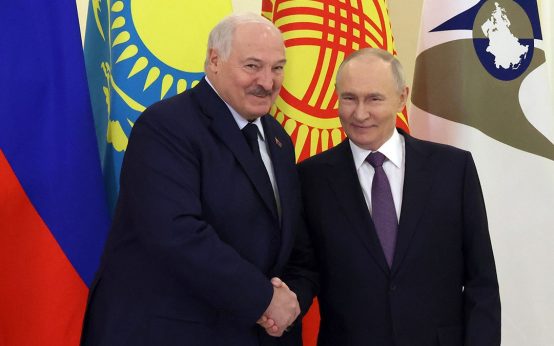 Lukashenko and Putin’s Unique Relationship and Belarus’ Strategic Role
  Alan Ritchson Faces Backlash Over Political Remarks
 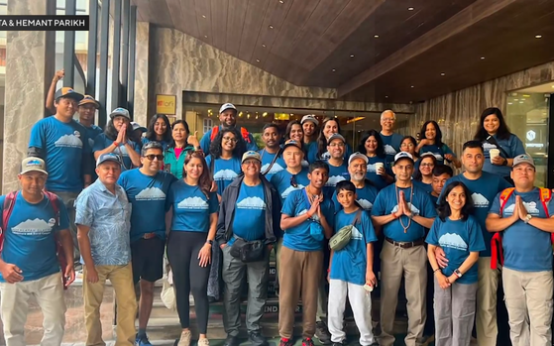 Himalayan Pilgrimage: A Couple’s Narrow Escape and Lingering Questions