
The Iranian Revolutionary Guard has increased public displays of military preparedness in Tehran. These include demonstrations of handling Kalashnikov-style rifles, parades with Soviet-era weapons, and displays of ballistic missiles during public events.
This increasing show of military force comes as tensions between Iran and the United States rise. U.S. President Donald Trump has threatened potential military action if negotiations with Iran collapse. Trump has previously hinted at using American forces to seize Iran’s uranium supplies and has discussed sending arms to Kurdish fighters.
“This is necessary for all our people to get trained because we are in a war situation these days,” said Ali Mofidi, a Tehran resident attending a weapons training. “If necessary, everyone should be available and know how to use a gun.”
Public weapons training sessions have gained popularity, often led by the Revolutionary Guard’s Basij force. Iran’s government media promotes joining the ‘Janfada,’ encouraging even young boys to train at checkpoints. Amnesty International has condemned the suggestion of using child soldiers as a war crime.
Officials estimate that over 30 million Iranians have expressed willingness to defend the nation through online forms or public gatherings. While this number is unconfirmed, public announcements fuel nationalistic fervor.
Soheila Zarfam, a journalist, reflected on the situation, writing, “My life might end, but Iran would endure, and that was all that truly mattered.” However, Nobel laureate Shirin Ebadi has criticized scenes of young boys handling guns, comparing them to child soldiers in conflict zones like Nigeria or Sudan.
Weapons demonstrations, once rare, have become more common in urban areas like Tehran, where separate training sessions are held for men and women. The training primarily focuses on basic handling of rifles, with participants receiving a ‘Janfada’ card upon completion. Safety issues during training have been noted, including improper handling of firearms.
As a result of heightened militarization, people like Ali Mofidi express a strong commitment to defending Iran against potential invasion.
Associated Press journalists Nasser Karimi and Mehdi Fattahi contributed to this report from Tehran, Iran.
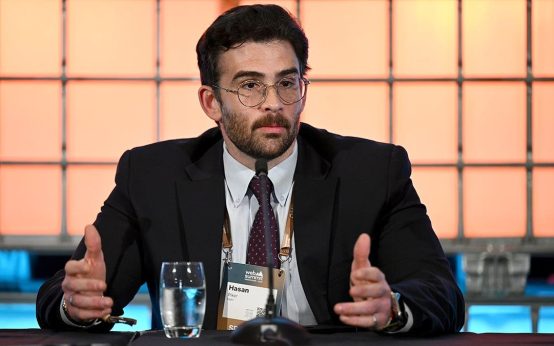 Twitch Streamer Hasan Piker Discusses Controversial Commentary
  A Shifting Political Landscape: The Decline of Autocratic Power
  Trump Delivers Warning to Iran, Cuba at UN General Assembly
 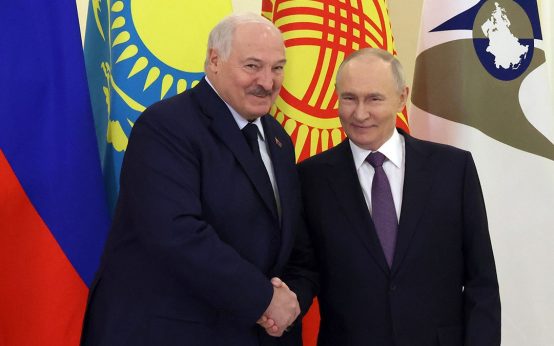 Lukashenko and Putin’s Unique Relationship and Belarus’ Strategic Role
 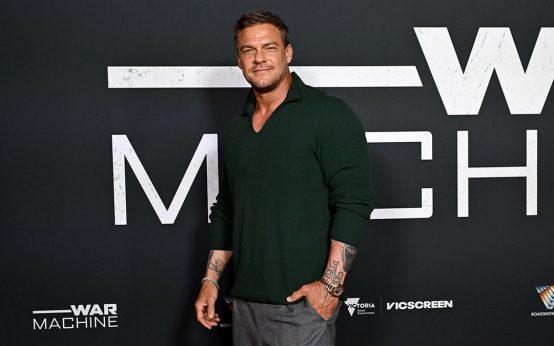 Alan Ritchson Faces Backlash Over Political Remarks
 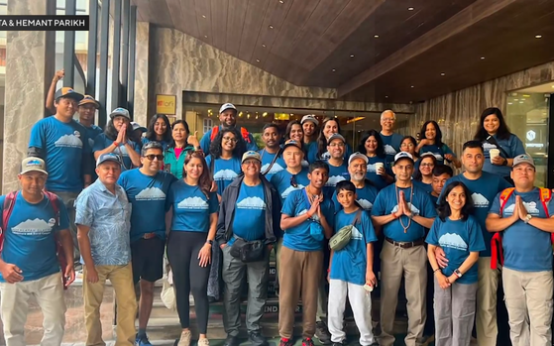 Himalayan Pilgrimage: A Couple’s Narrow Escape and Lingering Questions