
Iran views its control over the Strait of Hormuz as a crucial factor in negotiating peace talks with the United States. This strategic advantage appears to influence Iran’s willingness to risk the cease-fire in order to maintain its power.
Recently, a cycle of four days of attacks initiated by Iran has threatened the cease-fire agreement both countries are keen to uphold. Iran’s strategy, according to analysts, is a necessary measure to maintain leverage.
The Strait of Hormuz is vital to the global economy, and Iran’s ability to disrupt traffic through this waterway is a pivotal negotiating tool with the United States. Last week, a newly designated route through Omani territorial waters by Oman and the U.N. International Maritime Organization posed a potential challenge to Iran’s strategic plan to control the strait.
Ali Vaez, a senior analyst with the International Crisis Group, emphasizes the importance of this leverage to Iran in both best-case and worst-case scenarios. The exact timing and location of the next potential talks between Iran and the United States remain uncertain. However, Vaez indicates that Iranian officials believe their control over the Strait is key to obtaining concessions from the U.S.
In negotiations, Iran aims to achieve relief from debilitating sanctions through progress on a nuclear deal. The potential agreement would likely involve Iran surrendering or reducing its stockpile of highly enriched uranium, which has potential weapon applications.
 New U.S. Military Bases Planned in Greenland Amid Strategic Security Deal
  Twitch Streamer Hasan Piker Discusses Controversial Commentary
  A Shifting Political Landscape: The Decline of Autocratic Power
  Trump Delivers Warning to Iran, Cuba at UN General Assembly
 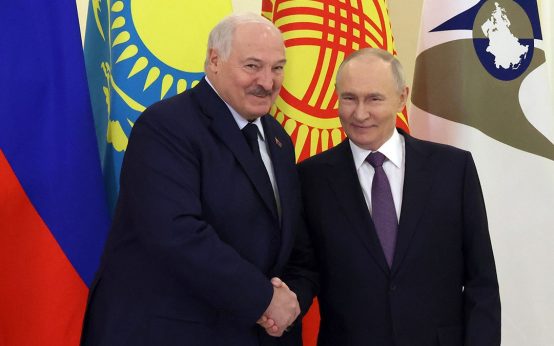 Lukashenko and Putin’s Unique Relationship and Belarus’ Strategic Role
  Alan Ritchson Faces Backlash Over Political Remarks