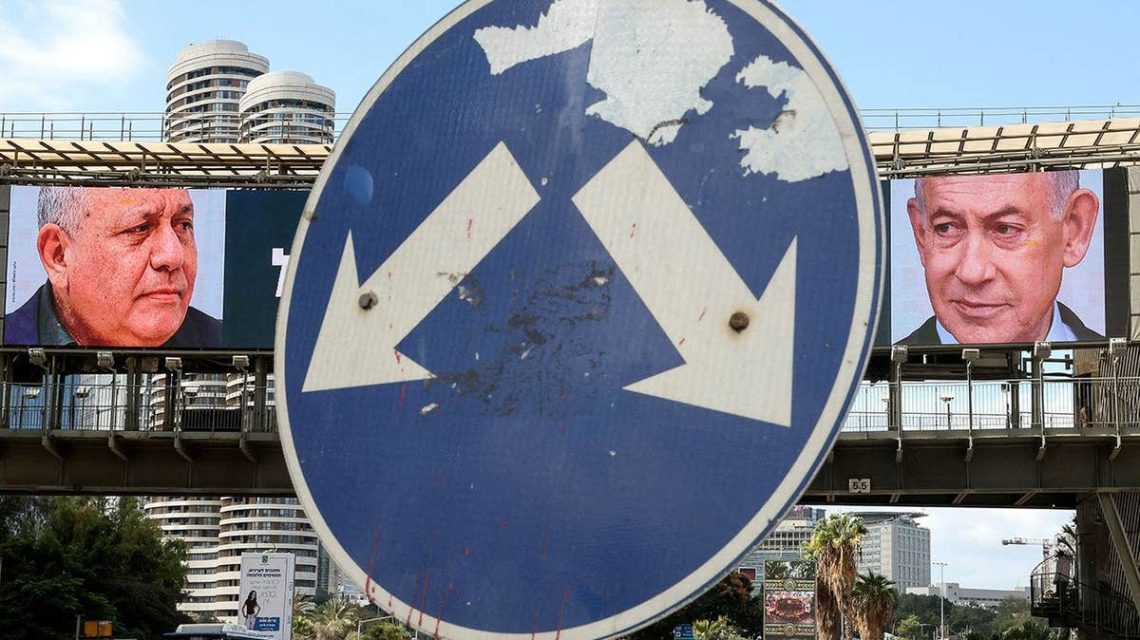
In Israel, Prime Minister Benjamin Netanyahu’s coalition fell short of a parliamentary majority after recent election results indicated increased support for Arab parties. With 93.8% of votes counted, Netanyahu’s right-wing block was projected to gain 53 seats in the 120-member Knesset. In contrast, the opposition, led by former military chief Gadi Eisenkot, secured 48 seats. Two Arab parties were expected to win a combined total of 19 seats, potentially giving the opposition a majority with 67 seats.
Netanyahu’s Likud continued as the largest individual party with 26 seats, while Eisenkot’s Yashar party followed with 21 seats and Naftali Bennett’s Beyachad party with 12 seats. These figures remain preliminary.
“A road sign stands in front of a large billboard featuring Prime Minister Benjamin Netanyahu and Yashar party leader Gadi Eisenkot,”
The election results mean neither bloc can independently form a government with the necessary 61 seats, leading to possible coalition negotiations or another election. A significant increase in Arab voter participation, with turnout reaching approximately 80%, transformed the political landscape in Israel. Previously, Arab participation stood at 53.2% during the 2022 election.
The Joint List is projected to take 11 seats, and Ra’am 8 seats, essentially doubling previous representations. Overall voter turnout hit 77.7% by election night closure, marking the highest levels since 1999.
The surge in Arab influence could be pivotal in shaping the next government. Although Eisenkot and opposition figures rejected incorporating Arab parties into their coalition, their presence may enable opposition forces to replace the Netanyahu-aligned Knesset Speaker Amir Ohana and influence legislative procedures.
A televised report alleged financial interference from Qatar to boost Arab voter participation, following paths previously used to support terrorist organizations. These claims remain unverified; their investigation continues. Shin Bet Director David Zini shared intelligence on suspected foreign interference with Central Elections Committee Chairman Justice Noam Sohlberg.
“Qatar dismisses allegations of interference in Israel’s elections,”
In response, Qatar refuted claims of meddling or funding the elections, asserting that such accusations were baseless and a distraction from Israeli political failures. Central Elections Committee Director Dean Livne echoed this sentiment, asserting the elections were conducted legally and with integrity.
Despite the controversy, Netanyahu and his Likud party have questioned the legitimacy of the Arab electoral gains, suggesting fraud, but no evidence supports these claims. Furthermore, Likud deemed potential opposition collaboration with Arab parties unacceptable due to suspected foreign influence, challenging election results.
Eisenkot met with Shin Bet to address foreign interference issues, emphasizing the severity if a nation supporting Hamas impacts Israel’s politics. He urged comprehensive investigation into alleged election tampering. Political commentators have cautioned against assuming these allegations will lead to the nullification of election results.
Besides speculative national coalition talks between Likud and Yashar, other arrangements face hurdles. Eisenkot vowed not to collaborate with Netanyahu, while disagreements remain on conscription policies. The ultra-Orthodox parties could also play critical roles in forming majority coalitions.
At present, allegations of foreign influence are undergoing investigation, leaving existing election results and Netanyahu’s coalition without a parliamentary majority.
Netanyahu will continue as caretaker Prime Minister until a new government is established. This process might extend over weeks, demanding careful negotiations.
Reporter Efrat Lachter has extensive experience in conflict, global affairs, and political coverage. She has produced documentaries in over 40 countries, exploring conflict zones and crises worldwide.
 The Untold Consequences of America’s Geopolitical Decline
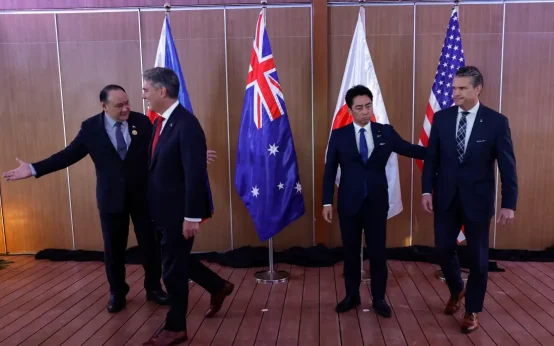 Defense Leaders Discuss Security Concerns in Asia
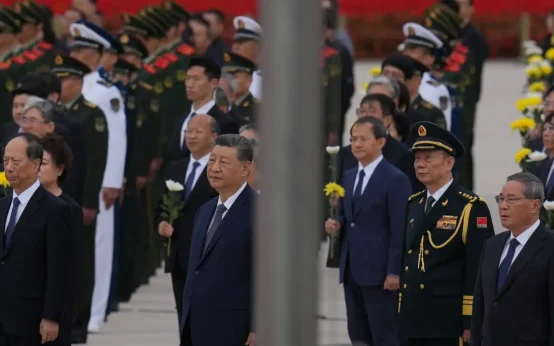 China’s Leadership Elevates Key Military Figure, Adopts Anti-Corruption Measures
 U.S. Blocks Shipments from Chinese Biotech Firm BGI Group over Forced Labor Concerns
 Israel’s Political Landscape: Challenges Ahead
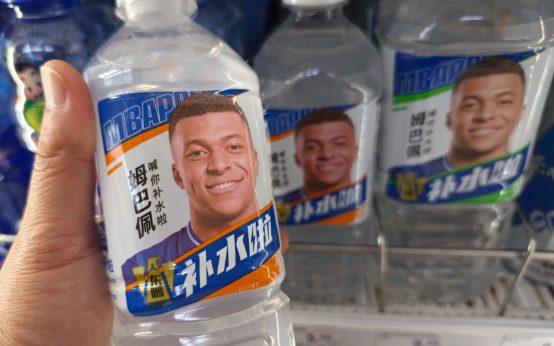 China’s Response to Mbappé’s Remarks: A Lesson in Cultural Sensitivity