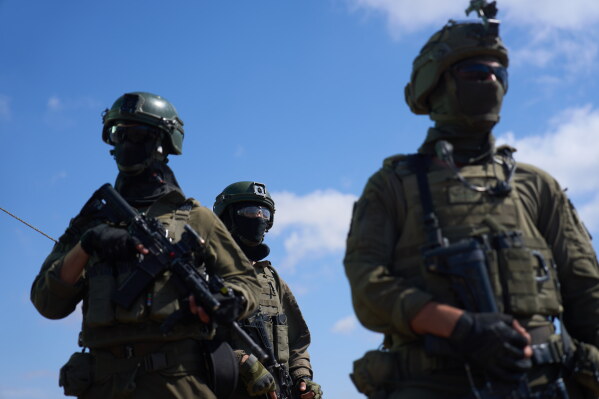
In Tel Aviv, Israeli soldiers shared their experiences in Gaza following a ceasefire, highlighting ongoing conflict and confusion. They reported seeing team members celebrating after targeting a vehicle carrying Palestinians near the Gaza Strip border, resulting in fatalities. An Israeli reservist described the area as a challenging environment, where soldiers frequently engaged those who breached the territorial line.
Deployed soldiers discussed a lack of clarity regarding engagement rules and some officers expressing a desire for continued hostilities. Troops sometimes acted hastily, unsure of the target’s identity. Concern emerged from veterans who criticized the engagements.
Details from soldiers revealed ongoing violence in Israeli-controlled Gaza, where they served between October and January. Their accounts indicate ongoing casualties despite a ceasefire, which some dismiss as ineffective.
“To call it a ceasefire is a joke,” one soldier told reporters.
The Yellow Line and Territorial Control
Israel’s yellow line, marking its control in Gaza since the ceasefire, has been ambiguous and not always visible. The ceasefire terms included troop withdrawal to buffer zones, yet without a set timeline. As efforts to maintain the truce stalled, both parties accused each other of violations.
A tour near Maghazi refugee camp revealed visible markings, though not consistently maintained along the line. An anonymous Israeli commander described Hamas activities challenging the line’s security.
Gaza’s Health Ministry reported over 900 fatalities since the ceasefire began, some occurring near the line. The military stated these were threats, although accounts from veterans and soldiers raised doubts about targeting civilians inadvertently.
Operational Challenges and Troop Sentiments
The operational setting near the yellow line is described as sensitive, with restricted access. Soldiers are instructed to issue warnings but allowed force if necessary. However, quick responses often lead to unverified actions based on assumptions.
Testimonies from Breaking the Silence noted permissive engagement rules. Some areas reportedly adopted ‘shoot to kill’ orders, emphasizing civilian risks.
A soldier recounted vague instructions affecting perceptions on human life value, with existential doubts about the drawn yellow line and the emotional impact of continued violence in Gaza.
Further insights from reports suggested Israel’s military actions became increasingly proactive. Recent months marked intensified strikes, with fatalities rising significantly. Israeli PM Netanyahu announced increased control intentions.
“We need to stop using this term,” soldiers commented on ceasefire language, suggesting the situation doesn’t reflect real peace efforts.
This narrative reveals the complexities faced by soldiers in the volatile Gaza Strip. It underscores the multifaceted nature of the ceasefire’s enforcement and the impacts on human lives in the region.
 Alan Ritchson Faces Backlash Over Political Remarks
  Himalayan Pilgrimage: A Couple’s Narrow Escape and Lingering Questions
  Former CEO Sentenced for Bank Fraud and Sanctions Evasion
 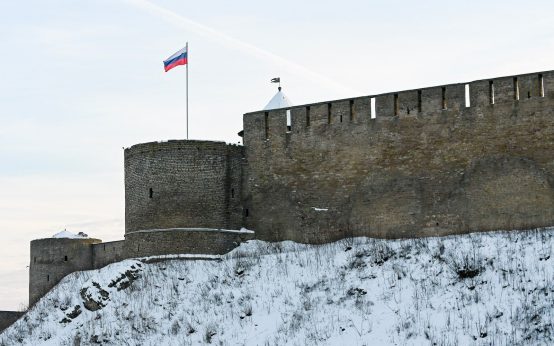 Russia’s Potential Incursion Into Estonia: NATO’s Resilience Under Scrutiny
  Senators Urge Action to Free Imprisoned Journalist in Iran
 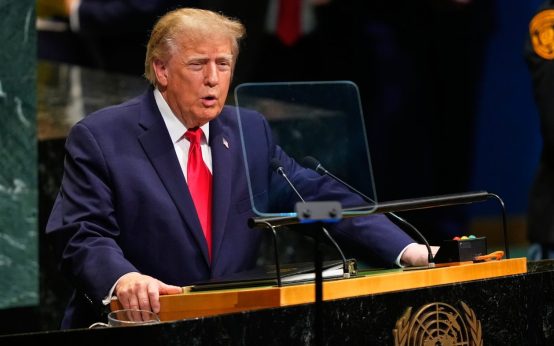 Trump’s Address at UNGA and Key Political Developments