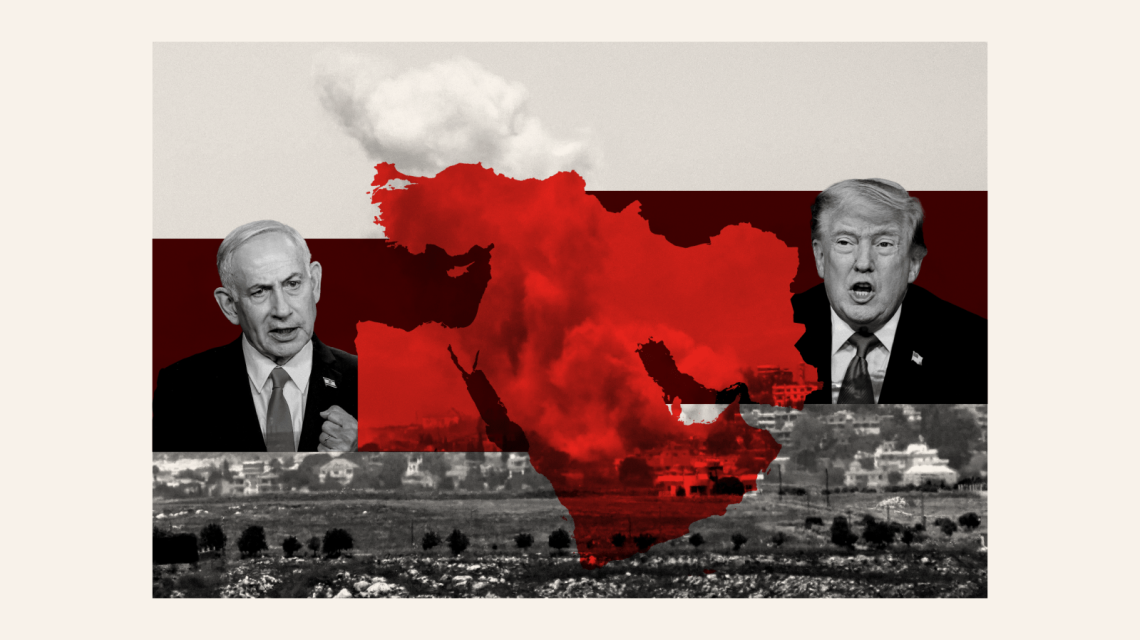
Israeli Prime Minister Benjamin Netanyahu declared in April that Israel is at its peak strength. However, this strength now faces pressing challenges. U.S. President Donald Trump’s deal to end a joint conflict with Iran has sidelined Israel’s concerns. Personal tensions between Netanyahu and Trump, previously seen as a staunch ally of Israel, are surfacing. Israeli military forces are stretched across multiple fronts, including Lebanon, Syria, Gaza, and the West Bank.
Anti-Israel sentiment is rising not only in Europe but also in the United States, a significant supporter of Israel. Demographic and political tensions within the region from the Jordan River to the Mediterranean Sea have left Israel looking vulnerable despite its military strength. The long-term survival of Israel, founded in 1948, poses questions similar to those raised by Theodor Herzl, the founder of modern Zionism, in the late 1800s.
Former Israeli Prime Minister Naftali Bennett highlighted a significant concern, stating, “We are at an existential moment.” He noted that ongoing conflict taxes Israeli society, the economy, and international standing. Newsweek has sought comments from the Israeli government on these issues.
U.S.-Iran Deal and Israel’s Security Concerns
The February 28 war initiated by Israel with the U.S. has delayed Iran’s nuclear ambitions. Yet, Trump’s deal lacks provisions important to Israel, such as controlling Iran’s missile capabilities and its support for proxy armies. The agreement may also financially bolster Iran’s rulers, counteracting Israel’s effort to weaken them.
President Trump expressed frustration over Israel’s military operations in Lebanon, which have failed to stop Hezbollah attacks. He boldly claimed at a G7 summit that without his involvement, Israel would have faced severe existential threats.
Continuous Threats to Israeli Security
Israel’s existence has faced constant threats since its founding. Neighboring Arab states engaged in multiple conflicts with Israel. Current regional tensions intensified on October 7, 2023, when Iran-backed Hamas attacked Israel from Gaza.
Efraim Inbar of the Jerusalem Institute for Security and Strategy believes that although threats exist, Israel’s survival is not immediately at risk. He emphasized the importance of strategic planning and possibly returning to covert operations to mitigate threats effectively.
Military Overstretch and International Criticism
Israel’s military endeavors extend across the region. Although a formidable force, it shows signs of being overextended. Forces operate deeply in Lebanon against Hezbollah, hold territory in Syria, and control parts of the Gaza Strip, facing opposition from Hamas. Military actions in the West Bank continue amidst rising violence.
Israel’s longstanding strategy of handling sporadic threats is now under scrutiny. The international community criticizes the approach for resulting in civilian casualties.
Daniel Levy of the U.S. Middle East Project advocates for a more balanced approach, encouraging Israel to reconsider its zero-sum policies to ensure long-term survival.
Palestinian Conflict and Political Challenges
The fate of Palestinians remains contentious. Netanyahu has stated opposition to Palestinian statehood, citing security threats. Polls indicate that a significant number of Israelis and Palestinians oppose a two-state solution, aligning with Hamas’s narrative of ongoing conflict.
Defense Minister Israel Katz countered comparisons of Israel to the historical Crusader states, reiterating Israel’s resilience and defensive capabilities.
Regional Rivalries and Shifting Alliances
Israel faces emerging regional challenges. Turkey’s ambitions pose a long-term concern. Despite some countries joining the 2020 Abraham Accords, Saudi Arabia and Qatar remain ambivalent and continue to engage with Iran.
Opinion of Israel has declined globally, partly due to the conflict’s humanitarian impact. The Pew Research survey notes a decline in American support for Israel. Immigration rates to Israel have decreased, despite an upsurge in Jewish relocation from western nations.
Yet, cooperation with India and economic growth offer potential positivity. Israel’s tech industry and defense sector show strong performance.
Internal Demographic Strains
Demographic challenges are significant. The Arab population, including Palestinians and Israeli Arabs, closely matches the Jewish population. This demographic shift holds implications for Israel’s future.
The ultra-Orthodox Haredi community, with high population growth, receives substantial state support yet traditionally avoids military service. Recent court rulings and proposed legislation aim to address this, creating internal political strain.
As elections approach, these domestic issues are expected to shape political discourse and could impact Netanyahu’s coalition government.
Efraim Inbar optimistically notes past survival through existential crises, emphasizing the necessity for prudent decision-making by Israel’s leaders.
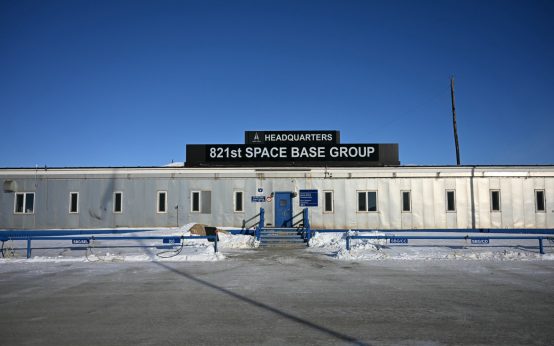 New U.S. Military Bases Planned in Greenland Amid Strategic Security Deal
 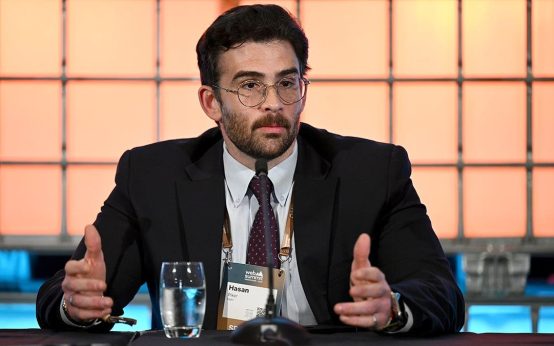 Twitch Streamer Hasan Piker Discusses Controversial Commentary
  A Shifting Political Landscape: The Decline of Autocratic Power
  Trump Delivers Warning to Iran, Cuba at UN General Assembly
 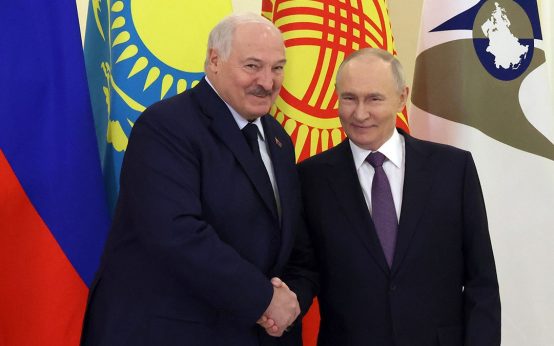 Lukashenko and Putin’s Unique Relationship and Belarus’ Strategic Role
  Alan Ritchson Faces Backlash Over Political Remarks