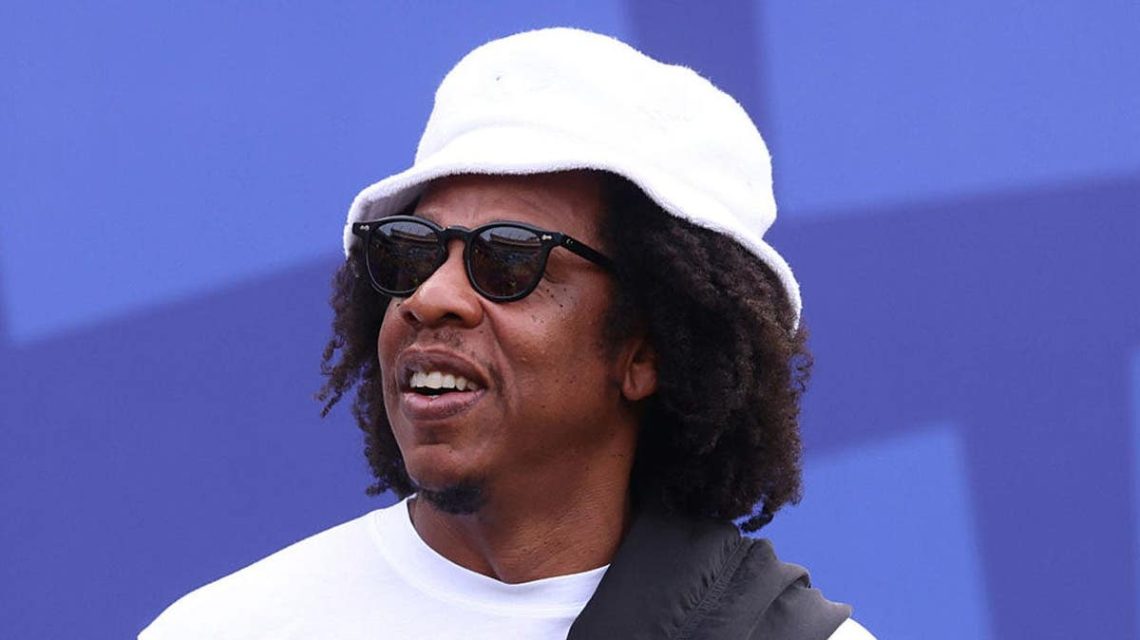
Jay-Z, the 25-time Grammy Award winner, has chosen himself to perform at this year’s Super Bowl halftime show. The event will take place at SoFi Stadium in Inglewood, California, near Los Angeles. According to Puck News, Jay-Z decided on himself over other considered finalists like Miley Cyrus and Justin Bieber. Earlier reports from TMZ also mentioned Harry Styles as a contender for the February halftime performance.
Since 2019, Jay-Z and his entertainment firm Roc Nation have been the driving force behind the Super Bowl halftime show production decisions. Recently, he was seen at the FIFA World Cup 2026 Group E match between Cote D’Ivoire and Ecuador at Philadelphia Stadium.
Jay-Z, now 56, will finish his four-city tour with two shows at SoFi Stadium on October 23 and 24. This Jay-Z 30 Tour marks the 30th anniversary of his debut album ‘Reasonable Doubt,’ released in 1996. The tour has been highly successful, amassing over $42 million from three nights of performances at Yankee Stadium in July, as reported by Puck.
While Jay-Z has yet to perform at a Super Bowl, his wife, Beyoncé, headlined the 2013 halftime show in New Orleans. She also joined Bruno Mars and Coldplay on stage during the 2016 show in Santa Clara. Jay-Z’s last album, ‘4:44,’ came out in June 2017. He recently re-released the single ‘I Just Wanna Love U’ from 2000.
Jay-Z remains influential in the music industry, boasting 50.6 million monthly listeners on Spotify. He ranks 71st among the most-listened-to artists on the platform. Notably, he was the first rapper to be inducted into the Songwriters Hall of Fame.
Mark your calendar for Super Bowl LXI on February 14, where Jay-Z will take the stage for the halftime show.
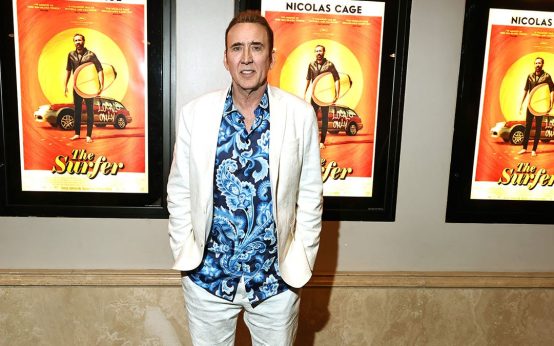 Nicolas Cage’s Unrecognizable Transformation in ‘Best Pancakes in the County’
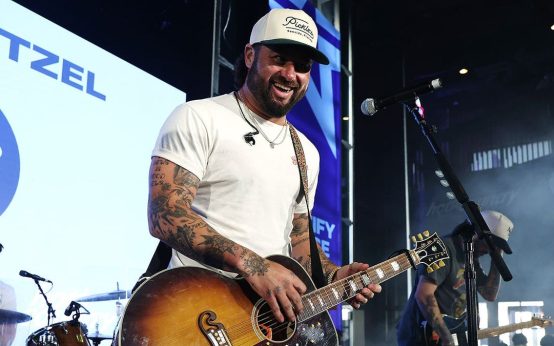 Ella Langley on Her Sophomore Album ‘Dandelion’
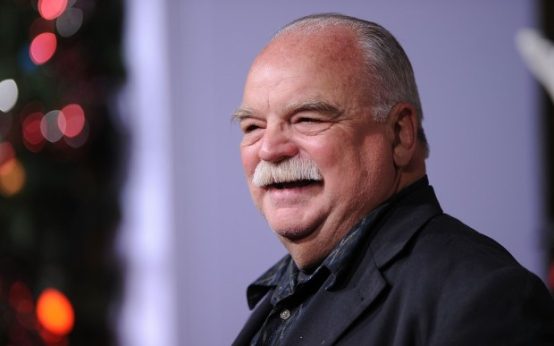 Richard Riehle’s Remarkable Career: A Retrospective
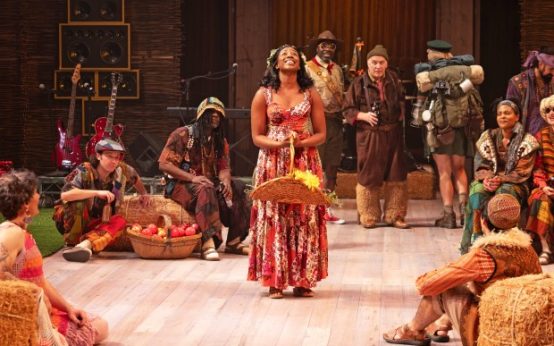 Review of Chicago Shakespeare Theater’s Production of ‘The Winter’s Tale’
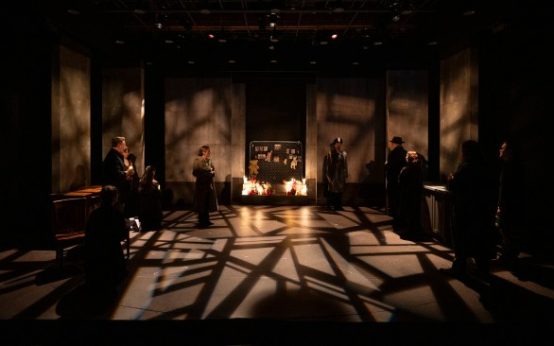 Exploring Courage and Cowardice in Erika Sheffer’s Play ‘Vladimir’
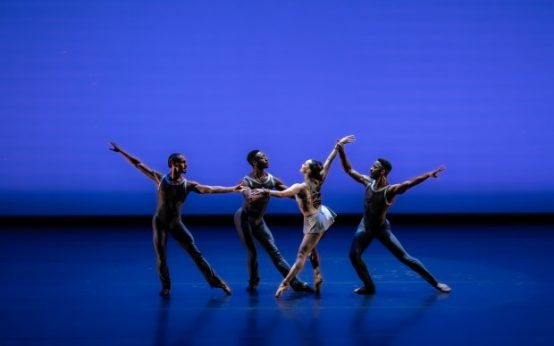 Dance Theatre of Harlem’s Return to Chicago