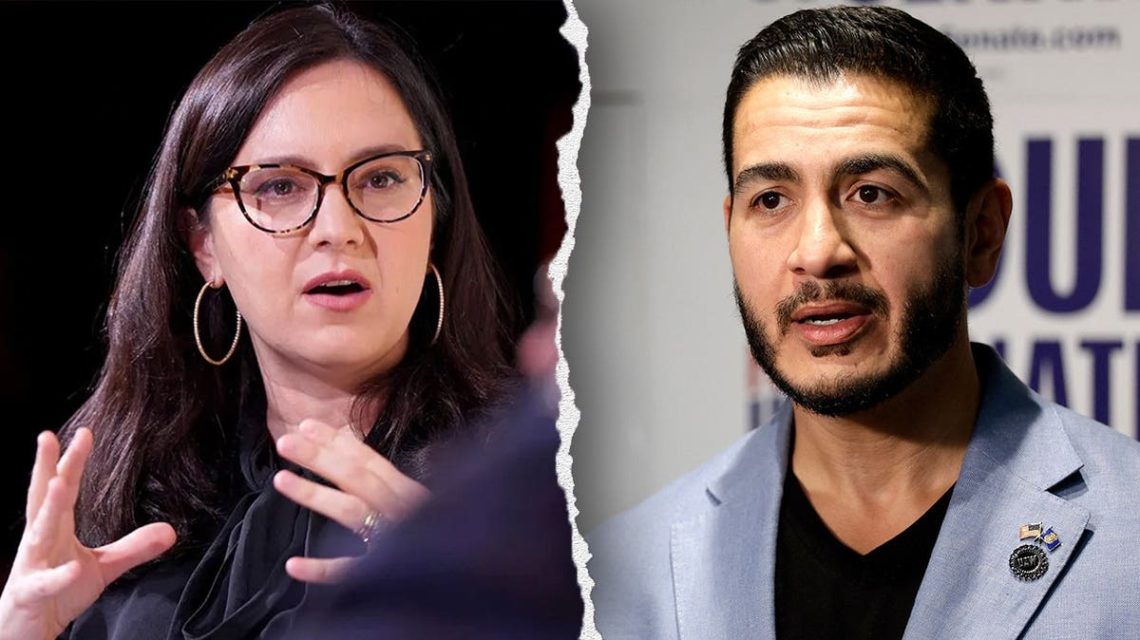
CBS News editor-in-chief Bari Weiss has drawn criticism from some quarters for advocating that her team investigate Democratic Michigan Senate candidate Abdul El-Sayed’s potential connections to the Muslim Brotherhood. This claim was reported by Semafor, noting that Weiss personally encouraged CBS journalists to examine this angle. Two anonymous CBS staff members expressed displeasure over Weiss’ directive.
The practice of staff members providing anonymous statements to media outlets is common in the industry. Tim Graham, executive editor for NewsBusters, suggested that disgruntled staffers’ comments contribute to a perceived bias against conservative viewpoints. Graham noted, “She’s asking them to tackle challenging topics. Can we look into El-Sayed’s possible links to the Muslim Brotherhood, as his family reportedly claims? That’s considered controversial.”
Supporters of Weiss argue that she merely sought thorough journalism, but others on the left criticize her approach. Mehdi Hasan, a former MSNBC host, and Zeteo founder reacted strongly on X, claiming that Weiss is unfit to lead a national TV network. The Nation correspondent Jeet Heer and activist Shaun King also voiced their concerns over Weiss’ leadership.
The controversy resurfaced with past social media posts from El-Sayed’s half-sister, Eman Abdelhadi, who implied family ties to the group. Posts from 2012 reference previous Brotherhood activity involving their mother, Fatten Elkomy, while emphasizing her experiences at Alexandria University in Egypt.
Abdul El-Sayed denied any association with the Muslim Brotherhood during an interview with NBC’s Kristen Welker. He dismissed inquiries into events from the 1970s as irrelevant to his Senate campaign, emphasizing his Michigan upbringing and professional accomplishments. El-Sayed reinforced his stance during exchanges with NBC’s Tom Llamas, labeling the questions as baseless and referencing his track record of truthfulness.
In an MS NOW interview, El-Sayed likened the scrutiny of his family ties to the challenges faced by John F. Kennedy due to his Catholic faith during his presidential run in 1960. This comparison highlights the perceived impact of religious affiliations on political perceptions.
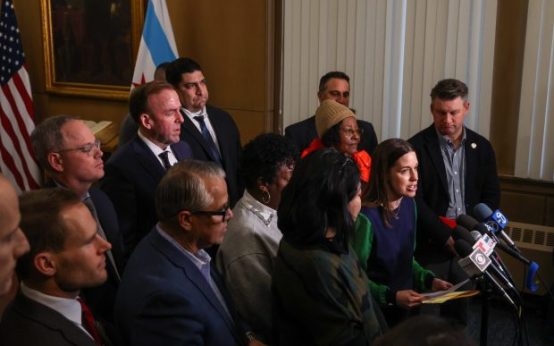 Mayor Brandon Johnson’s New Budget Proposal Targets Corporations
 Trump Administration Tightens H-1B Visa Regulations
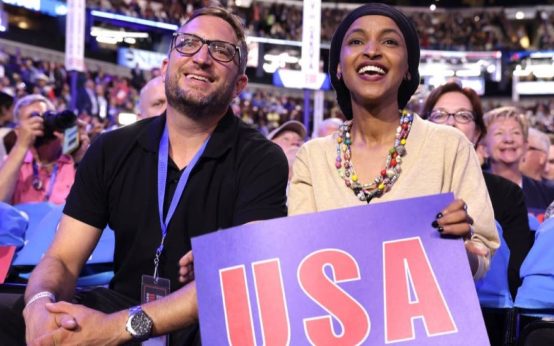 Congressional Scrutiny Over Rep. Ilhan Omar’s Finances and Winery Closure Amid Fraud Allegations
 Challenges and Solutions in the Struggle for Voting Rights
 WNBA Firm on Eligibility Amid Freedom’s Challenge
 JD Vance and U.S.-Israel Politics