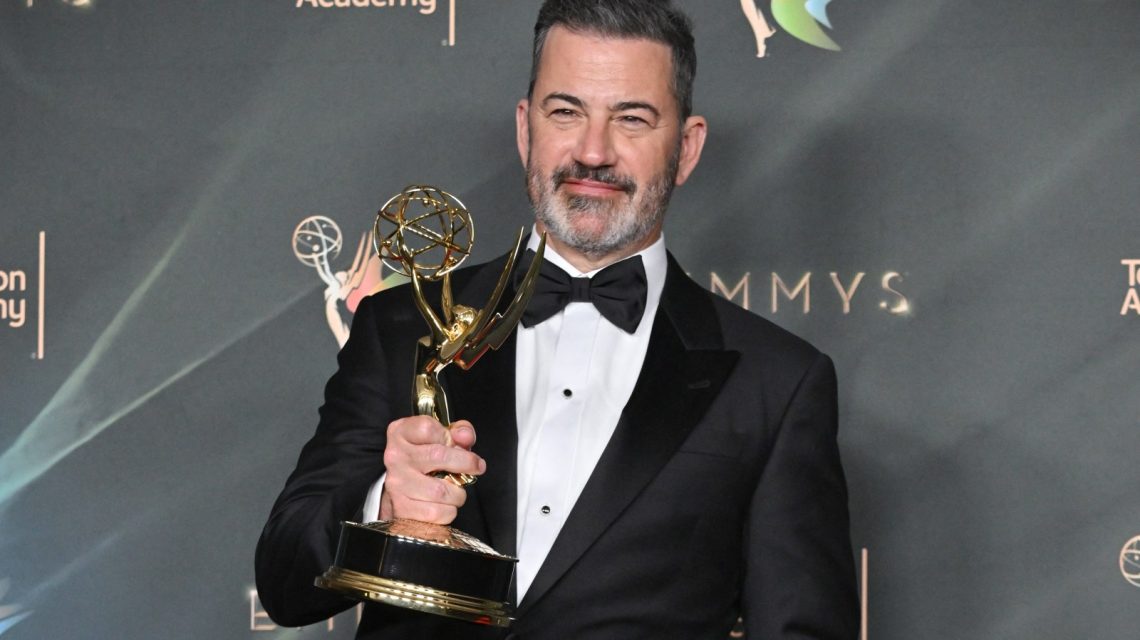
Jimmy Kimmel announced his interview with Democratic Texas Senate candidate James Talarico will not be broadcast on his show due to threats from the Federal Communications Commission (FCC). Instead, viewers can watch the interview on YouTube. During his monologue on Jimmy Kimmel Live!, Kimmel stated the FCC threatened him, his show, ABC, and its affiliates.
Kimmel expressed concern that airing the interview could risk the station licenses of ABC affiliates. As a result, the decision was made to release the interview on YouTube. Kimmel compared this situation to a previous incident involving Stephen Colbert, who faced similar challenges when trying to air an interview with Talarico. In that case, the interview also ended up on YouTube.
“His FCC has threatened me, our show, our network, and ABC affiliates based on editorial decisions they seem to dislike,” Kimmel stated.
Current polls indicate Talarico slightly leads his Republican opponent, Texas Attorney General Ken Paxton. Talarico’s lead has increased the likelihood of Democrats winning a Senate race in traditionally Republican Texas. Such a victory could be vital for Democrats as they aim to gain control of the Senate.
Kimmel reflected on his history of interviewing political figures over the years, including Hillary Clinton, Ted Cruz, and Donald Trump. He noted a change in Trump’s stance since becoming president, as the current FCC appears to disapprove of such interviews.
The decision to move the interview online was made to protect ABC’s local stations from potential controversies. Kimmel urged viewers to watch the interview on the Jimmy Kimmel Live! YouTube channel and emphasized the importance of registering to vote.
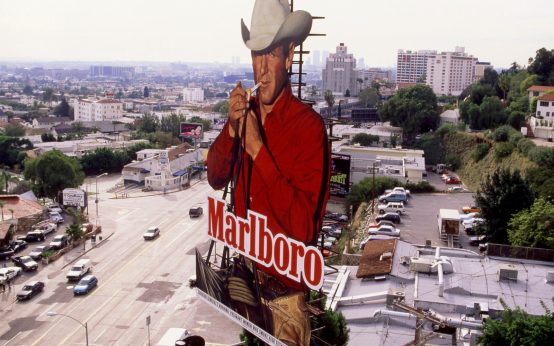 Trump’s Cowboy Persona at the Dallas Convention
 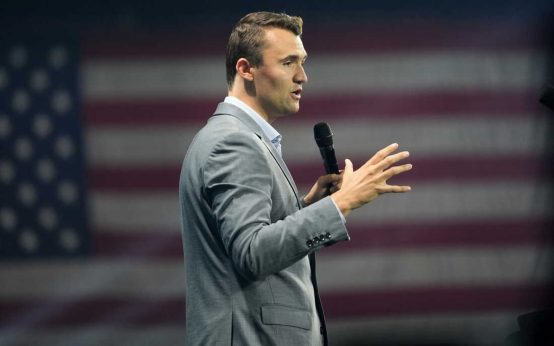 Challenges Facing Turning Point USA After Charlie Kirk’s Death
 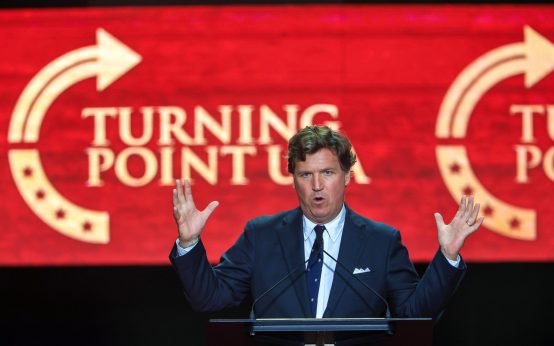 The Divided Legacy of Charlie Kirk
 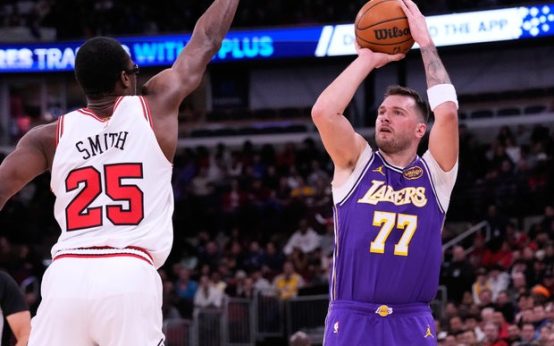 President Trump’s Comments at RNC Midterm Convention: Oil, Iran, Immigration, and an NBA Trade
 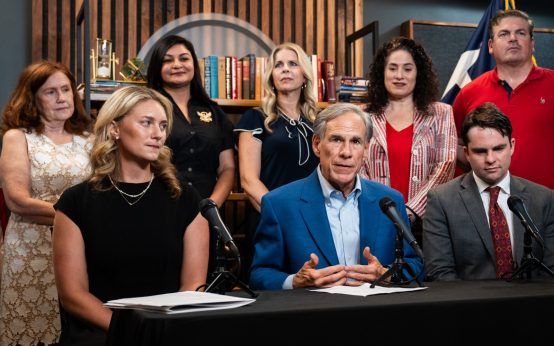 Texas Governor’s Race: A Close Contest Amidst National Political Dynamics
 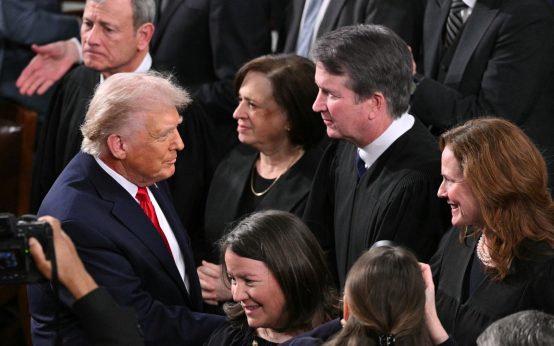 Poll Reveals Public Perception of Supreme Court’s Bias