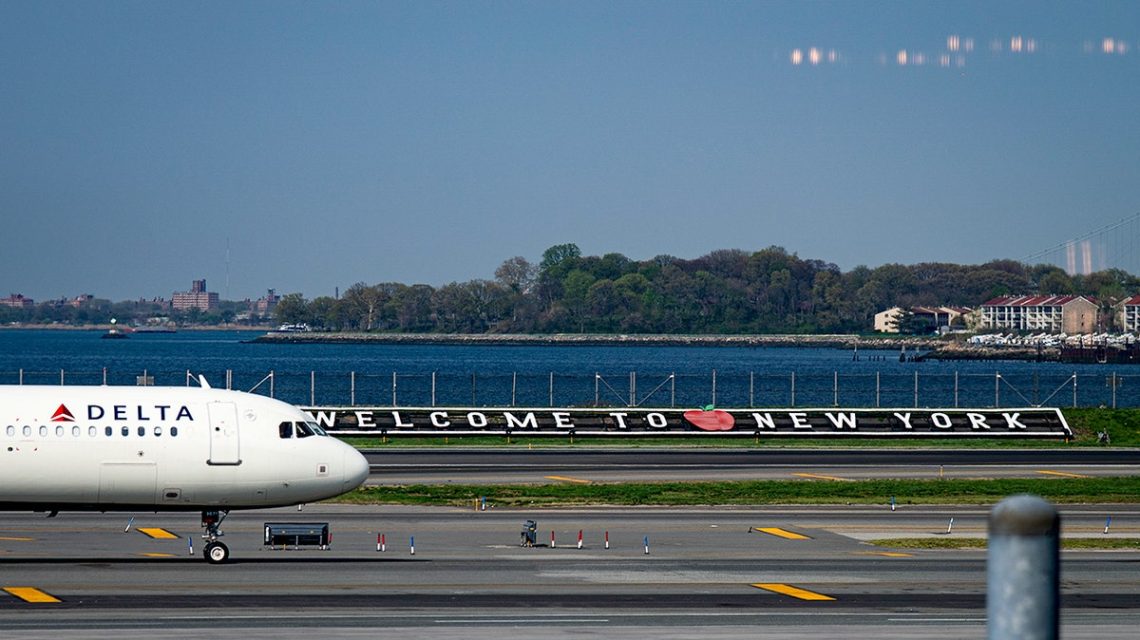
Airports can often feel like a labyrinth, especially when you’re in a hurry to catch a flight, locate baggage claim, or find a lounge. To ease this stress, LaGuardia Airport’s Terminal B has introduced a life-sized AI hologram named Bridget.
Bridget is designed to assist travelers by answering questions about gates, shops, baggage claims, and VIP lounges. She provides step-by-step directions using real-time terminal maps. This innovative solution could be a relief for anyone who has struggled to find their way in an airport.
While some may prefer to seek help from a person, Bridget offers a new form of assistance. Here’s a closer look at what this AI hologram offers and how it may impact your travel experience.
Details About Bridget, the AI Hologram
Bridget is located near the Terminal B Food Hall at LaGuardia Airport in New York. She emerges from a collaboration between Proto, a company specializing in hologram hardware, and Holomedia’s AI Concierge Wayfinder platform. This system allows travelers to pose natural questions without the need for signs or apps.
Currently, Bridget communicates in English and Spanish. Plans are underway to introduce more languages. The kiosk features subtitles and displays designed for high contrast. Additionally, the system is wheelchair accessible. LaGuardia Gateway Partners, responsible for managing Terminal B, plans to expand the number of these units across the airport’s concourses.
How Bridget Assists at LaGuardia Airport
Bridget is intended as a supplemental aid for travelers, particularly during busy times when staff may be occupied. The aim is to enhance the guest experience through a combination of technology and hospitality. Suzette Noble, CEO of LaGuardia Gateway Partners, emphasizes that Bridget aligns with the vision of delivering exceptional guest experiences.
Travelers can approach Bridget to receive directions without taking their phones out. The hologram can answer questions about directions to gates, shops, lounges, and baggage claim, providing real-time guidance.
A demonstration video shows Bridget directing a traveler to Gate 19 with turn-by-turn instructions, followed by a QR code for convenience.
Miami’s Approach to AI Holograms
Miami International Airport has been testing its own AI holograms, offering 40 language options and connectivity with online services such as chatbots and WhatsApp assistants. This strategy highlights a trend towards using AI tools to minimize confusion for travelers.
The Role of AI Holograms in Airports
The impact of AI holograms on airport operations hinges on effective implementation. If strategically positioned, these devices could make travel smoother by addressing common queries quickly. However, vague responses could lead to frustration.
David Nussbaum, founder of Proto Hologram, sees the technology as an extension rather than a replacement of human assistance. Glenn E. Smith of Holomedia notes the emphasis on improving operational efficiency and providing memorable travel experiences.
Implications for Travelers
For travelers, if the technology works effectively, AI holograms could alleviate the stress of navigating an airport. They offer a solution for locating gates, lounges, and baggage claim effortlessly, with the added benefit of accessibility features for those who need them.
The trustworthiness of AI assistants remains crucial. Travelers expect precise directions and access to human assistance should technical issues arise. Privacy is also a consideration, as airports explore AI tools incorporating biometrics and passenger data.
This innovative use of technology could reshape the way travelers interact with airport services, facilitating smoother and more efficient transit experiences.
 Beijing’s Tactical Undermining of U.S. Supremacy Through AI
 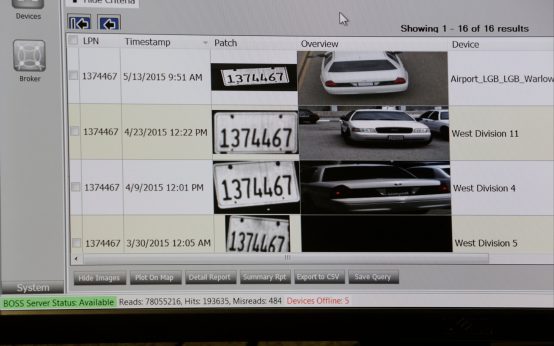 Controversy Surrounds Automated License Plate Readers Across the U.S.
  Trump and Harp Sued Over Truth Social Subscriber Program
  Implications of AI in College Admissions
  Congressional Inaction Amid AI Concerns
  Rising Demand for Data Centers Driven by AI Development