A group of Democratic lawmakers has criticized Defense Secretary Pete Hegseth for reducing a program designed to protect civilians in conflict zones. They argue this leadership failure endangers service members and damages the military’s moral reputation.
Senator Elizabeth Warren led the group in sending a joint letter, which references a recent inspector general’s report noting the inactivity of civilian protection efforts. The lawmakers also mentioned reporting by ProPublica and other news outlets, urging the preservation of the framework known as civilian harm mitigation and response (CHMR).
The letter claims the Trump administration defunded and obstructed civilian protection initiatives, possibly violating federal law. A Pentagon spokesperson stated the Department would respond directly to the authors without answering ProPublica’s questions.
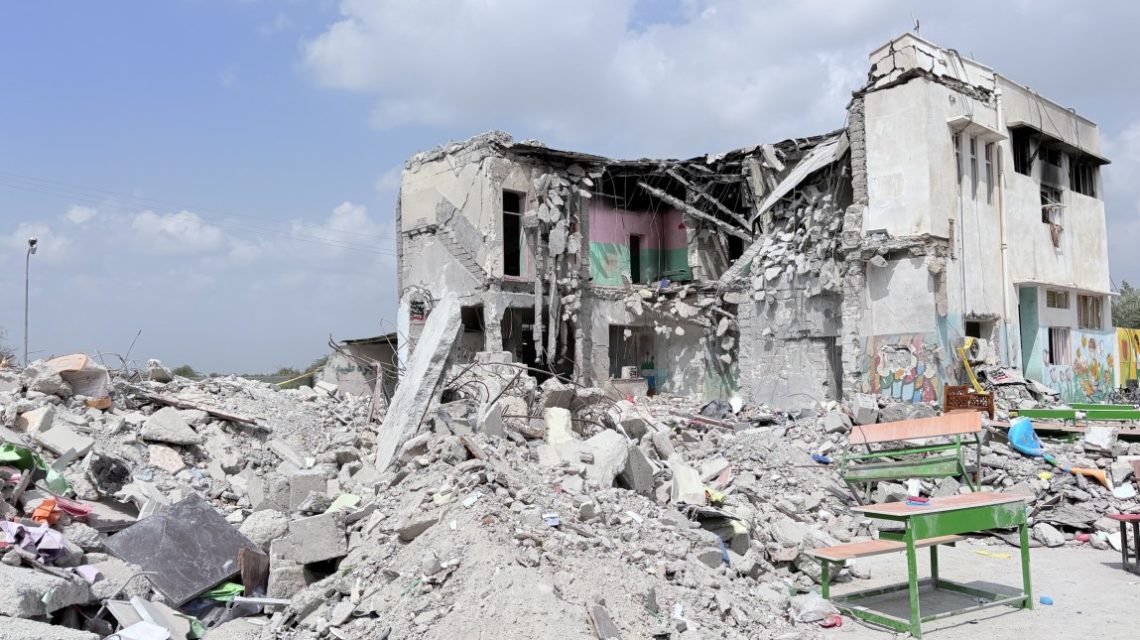
A U.S. strike killing dozens at an Iranian school in February brought worldwide attention to the retreat from civilian protection. The Pentagon is investigating the incident. Monitoring groups have reported increased civilian casualties, particularly in Somalia and Yemen, attributed to a rise in U.S. strikes under the Trump administration.
Proponents argue the abandonment of civilian protections results from a broader military strategy focusing on aggression over accountability. The harm mitigation leadership aimed to reduce civilian casualties in U.S. military operations, embedding prevention specialists within targeting teams and promoting a culture prioritizing civilian safety.
Despite initial support from military leaders, the program stalled under Hegseth, who described certain protections as hindrances. Staff indicated that, by the time of the Iranian school strike, CHMR resources had been significantly reduced.
Retired Gen. Stanley McChrystal noted that civilian casualties can help militant groups recruit and gain support, a concept he referred to as ‘insurgent math’.
The Democratic lawmakers included military veterans like Senators Tammy Duckworth and Mark Kelly. They requested information on the status and funding of the CHMR and reasons for the department’s lack of cooperation with the inspector general’s investigation.
Although the impact of a more robust prevention team remains uncertain, former CHMR staff believe the program could have led to transparency and immediate inquiries into civilian deaths. Video from the Iranian incident shows a U.S.-made missile likely caused the strike.
Five months later, there is still no explanation from the Trump administration. The CHMR mission, partially implemented, remains in a precarious state. Congressional support is crucial for the program’s continuation.
The pattern of prioritizing civilian protection typically follows a disaster, with the Pentagon committing to reviews and reforms that often fade until another incident occurs. This cycle was evident during the U.S. withdrawal from Afghanistan when a missile strike resulted in civilian casualties.
The civilian harm mitigation and response action plan was adopted in 2022 as a step towards making civilian protection a consistent priority. However, the mission now hangs in the balance, with defense leadership reportedly impeding the program’s implementation.
The letter from lawmakers arrives as some critics voice concerns about Hegseth’s department changes. His actions, including terminating high-ranking officers without explanation, have generated bipartisan criticism, with accusations of political bias and racism.
 Congressman Randy Fine’s Bold Political Stance and Views on AI Regulation
  Political Messaging and Strategy Leading Up to Midterms
  President Trump Proposes ‘Super Intelligence’ as New AI Term
  Trump Administration Considers Diesel Export Ban Amid Rising Prices
  Texas Senate Race Tightens with Shifting Youth Support
  Flight 93 Hero’s Father Criticizes Ties Between Hasan Piker and Abdul El-Sayed