Background of the Case
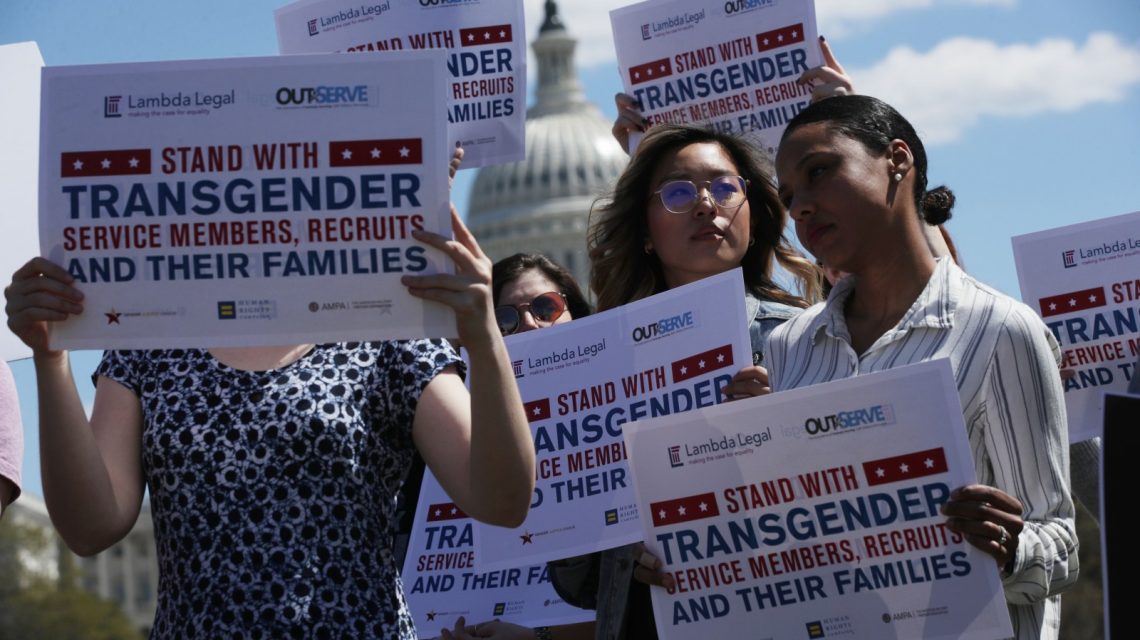
Seventeen transgender veterans and service members have taken legal action to restore retirement benefits that they claim were wrongly canceled under the military policy of the Trump administration. This policy previously restricted transgender individuals from serving openly in the military.
The case was recently presented in the U.S. Court of Federal Claims. It questions whether the Air Force unlawfully revoked the early retirement approvals of transgender troops who had significant years of service. This followed President Trump’s executive order, which curtailed transgender military service.
The Air Force abruptly reversed that promise without cause—removing the financial support and benefits those service members earned, and their families were relying on,” the plaintiffs stated via their attorneys.
Importance of the Lawsuit
This lawsuit is pivotal for determining if affected personnel will receive the military retirement pensions and health benefits they accrued. The financial implications are considerable for veterans nearing retirement. Losing these benefits would mean a significant reduction in lifetime retirement income and health care after over 15 years of service.
Details of the Legal Proceedings
Named Ireland v. U.S.A., the lawsuit involves 17 transgender Air Force and Space Force members. Each had spent at least 15 years in service seeking early retirement after Trump’s transgender troop ban. Court documents highlight that these retirements had initially received approval under the Temporary Early Retirement Authority (TERA) program, only to be rescinded later.
Leading the plaintiffs, former Air Force Master Sergeant Logan Ireland, an Afghanistan veteran, emphasized how the government’s actions endangered plans he and others based on expected benefits. “I served my country honorably for 15 years, including deployment to Afghanistan,” Ireland said, as reported by Stars and Stripes.
“Long-serving service members and their families build their lives around the promise of earned retirement. When that promise is revoked, it does not just affect a paycheck, it affects housing, health care, family stability, and a lifetime of financial security.”
Focus of the Recent Hearing
The central issue in the hearing was the government’s motion to dismiss the case. Federal lawyers argued the court lacked jurisdiction over the military pay and retirement benefit disputes, while the plaintiffs’ attorneys asserted the court’s authority in such matters.
The executive order issued by President Trump in January 2025 reversed the Biden administration’s policy, which permitted transgender troops to serve openly. The order specified that those with gender identities differing from their biological sex did not meet military service standards. Under related Defense Department directives, transgender troops with a history of gender dysphoria faced potential separation from service.
“Consistent with the military mission and longstanding [Defense Department] policy, expressing a false ‘gender identity’ divergent from an individual’s sex cannot satisfy the rigorous standards necessary for military service,” the order said.
Service members opted for early retirement to avoid the separation implied under the new policy. They contend they received approved retirement orders that were later revoked.
Implications of Policy Changes
Service members approved for early retirement and later denied benefits stand to lose millions in lifetime earnings and TRICARE access. As financial literacy instructor Alex Beene noted in Newsweek:
“If benefits can be rescinded after the fact, it raises major questions about whether service members can rely on promises made to them when policy changes.”
Broader Legal Context
This lawsuit is one among many challenging transgender military service policies. A federal appeals court recently concluded that Trump’s military policy was likely unconstitutional, allowing some active-duty plaintiffs to continue serving. However, broad legal disputes over these policies remain unresolved.
According to financial expert Michael Ryan, the legal stakes primarily concern whether the government can reneg on assured retirement benefits.
“It’s not about whether they should’ve been allowed to serve. It’s about whether the government can dangle earned retirement, get people to sign up for it, then reverse course without consequence,” Ryan told Newsweek.
Next Steps
The Court of Federal Claims must rule on whether to proceed with or dismiss the lawsuit. If jurisdiction is confirmed, it will move forward, examining allegations that the Air Force unlawfully revoked early retirements and deprived service members of pay and benefits.
Winning the case could underscore a critical point: political shifts should not void federal promises. As Ryan highlighted,
“Federal promises can’t be revoked just because the politics changed. Right now, service members approved for early retirement might not be as secure as they think when an administration flips. This case could force the government to honor commitments or pay the damage.”
 White House Launches Trump TV Amidst Press Dispute
  Media Organizations Sue Trump Administration Over Press Access
  VP JD Vance Trails Potential Democratic Contenders in Early Polling for 2028 Election
  Rising Beef Prices: Causes and Policy Responses
  The Push for Permanent Daylight Saving Time
  Trump Visits New York Mayor Mamdani at Gracie Mansion