Leprosy cases are increasing in Florida, with health officials linking many to exposure to a specific animal. By July 23, Florida’s Department of Health recorded 17 cases, with 81% located in Central Florida. The highest concentrations are in Volusia, Brevard, Lake, Orange, and Seminole counties. Last year, there were 36 cases, the most reported since 1992. Of these, at least 26 were contracted within Florida, one from another state, and two internationally. The origin of the remaining seven cases is unknown.
Understanding Leprosy
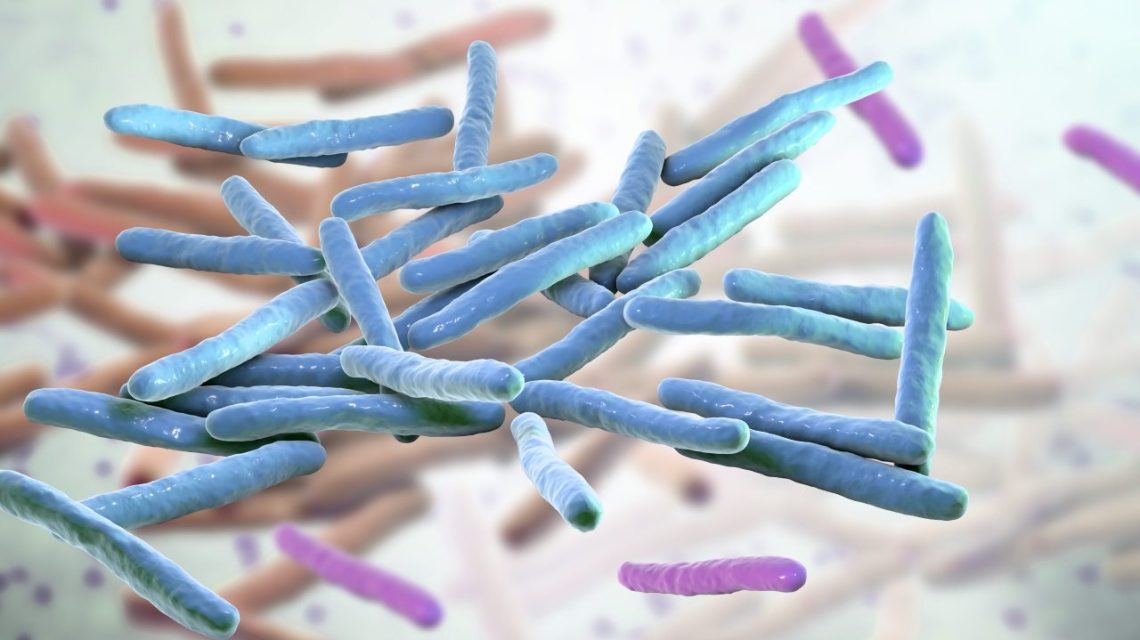
Leprosy, or Hansen disease, is a chronic infectious condition caused by the slow-growing bacterium Mycobacterium leprae. Symptoms might appear up to 20 years post-contact. Symptoms include skin lesions, lumps, and ulcers, along with loss of eyebrows and eyelashes. It also affects peripheral nerves, which can lead to a lack of sensation in touch and pain, elevating the risk of cuts and burns.
Transmission and Immunity
Once thought highly contagious, leprosy is not easily spread among humans. According to the CDC, one must have close, prolonged contact with an infected person. Even with direct contact with saliva or mucus from their mouth or nose, around 95% of people have natural immunity.
Leprosy in the United States
Leprosy is rare in the U.S., with about 225 diagnoses yearly. Globally, around 250,000 cases occur each year. Most Americans contract the disease while traveling abroad. In Florida, health officials suggest the rise in cases is linked to nine-banded armadillos, naturally infected with Mycobacterium leprae. These animals are common in Mexico and the southern U.S., especially prevalent in central and northern Florida. They are classified as invasive pests due to lawn damage from foraging and burrowing.
Exposure occurs when people touch or hold armadillos or contact soil around their burrows, potentially contaminated with bacteria from droppings or fluids.
Treatment and Prevention
Leprosy can be cured if treated early with multi-drug therapy consisting of antibiotics. Once treatment starts, the patient is no longer considered infectious. Treatment duration varies, taking one to two years based on the leprosy type.
Preventing Exposure
To reduce exposure to leprosy-causing bacteria, the CDC advises:
- Avoid touching or holding armadillos
- Do not hunt or consume armadillos
- Use repellents or traps in yards to reduce exposure risk
- Wear gloves and long sleeves when gardening in areas where armadillos dig
- Wash hands with soap and water after outdoor work
- If soap and water are unavailable, use an alcohol-based hand sanitizer
 Upcoming Concerns and Influence in Health Politics
  Fraud Task Force Saves Billions by Tackling Obamacare Misuse
  Presley Gerber’s Passing Raises Addiction Recovery Concerns
  Understanding October SNAP Benefits: Payment Dates and Changes
  Managing Distress and Discomfort Effectively
  Trump Administration Seeks to Influence NIH Grantmaking