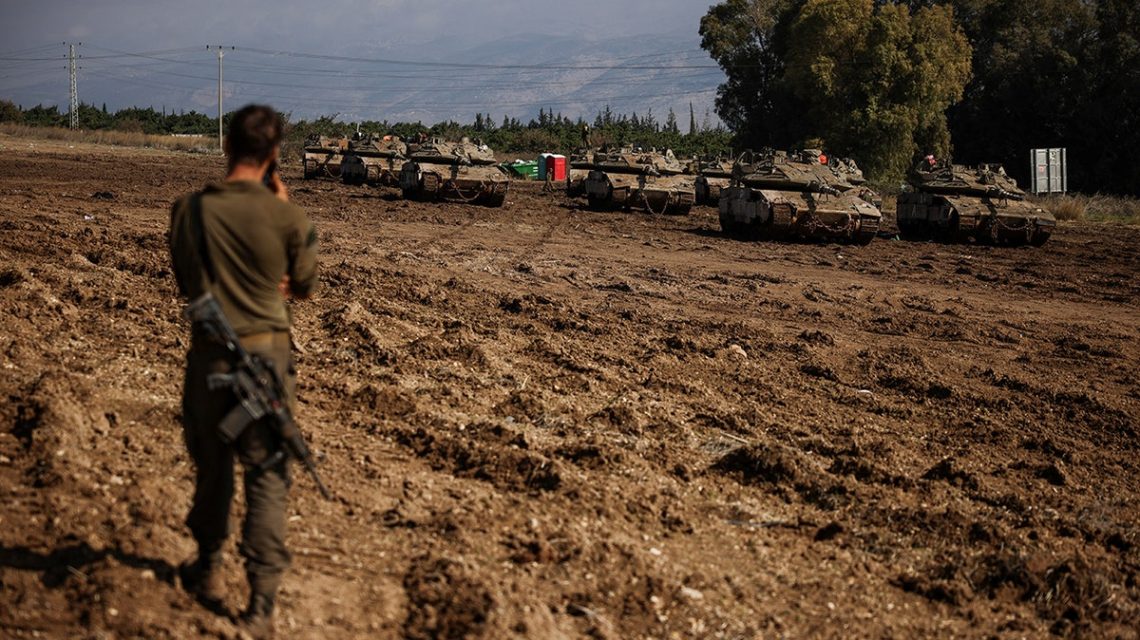
Two days after a ceasefire between Israel and Hezbollah was declared, Yulia Bar-Dan stood outside her temporary home in Kibbutz Manara. An interceptor echoed overhead as she predicted another siren. Minutes later, her phone warned the residents of northern Israel to seek shelter. This routine reflects life on Israel’s northern border nearly two years since Hezbollah joined the conflict against Israel on October 8, 2023.
The Israeli response following Hezbollah’s involvement and support for Iran indicates ongoing tension despite diplomatic efforts.
The United States initiated talks for a more inclusive ceasefire agreement with Lebanon. Multiple discussions between Israeli and Lebanese officials occurred in Washington, with President Donald Trump repeatedly announcing ceasefire efforts to restore stability along the border. Despite these efforts, rockets, drones, and uncertainty persist in communities like Manara.
Citizens express frustration. During calmer times, Bar-Dan and her family fled Manara, relocating to a hotel due to safety concerns with no clarity on returning.
Presently, approximately 200 residents of Manara’s 280 people have returned. However, war damage prevents many, including her family, from living in their original homes.
Residents claim normalcy remains elusive. Schools reopened in June, yet Bar-Dan hesitates to send her children due to the unpredictability of alerts.
Her discontent extends beyond Hezbollah. She notes a disconnect between border realities and political narratives.
A year and a half since evacuation due to fears of a Hezbollah invasion, community leader Yochai Wolfin describes the current state as ‘the ceasefire war.’
Children study in shelters. Some kibbutz areas lack protected rooms. Construction stalls because contractors shy away from border proximity.
Residents increasingly worry decisions impacting their future are made remotely.
Hezbollah Secretary-General Naim Qassem recently warned of continued Israeli strikes in Lebanon maintaining northern Israel’s instability.
Residents view ceasefire agreements as disconnected from their experiences.
Naor Shamia, Manara’s emergency responder, voices concern over temporary measures becoming long-term.
Similar sentiments are echoed in nearby communities. Adamit resident Yael Cohen-Arazi describes the contrast between the scenic surroundings and daily threats.
Her children are accustomed to the perpetual risk, unaware of what normalcy feels like.
Bar-Dan, back in Manara, finds moments interrupted by alerts. Despite sadness and fatigue, she remains adamant about staying.
She empathizes with soldiers and acknowledges the ongoing casualties in search of a resolution. Yet, she insists on staying.
As another explosion reverberates, she asserts, “This is our home.”
 Prince Harry and Meghan Markle Adjust Children’s Schooling Amid Security Concerns
  Umar Kremlev Hosts Events Linked to Trump Family Celebrations
 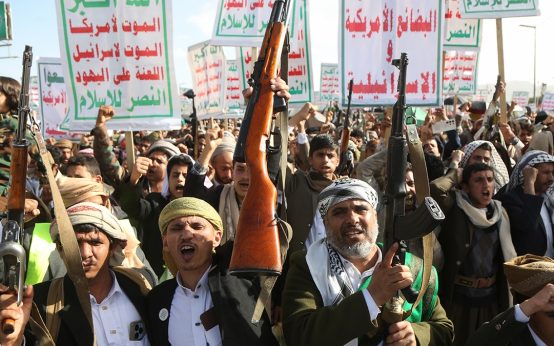 Houthi Financial Network and Strategic Territorial Gains
  Uganda Rejoins Prince Harry’s Invictus Games After King’s Aide Intervenes
 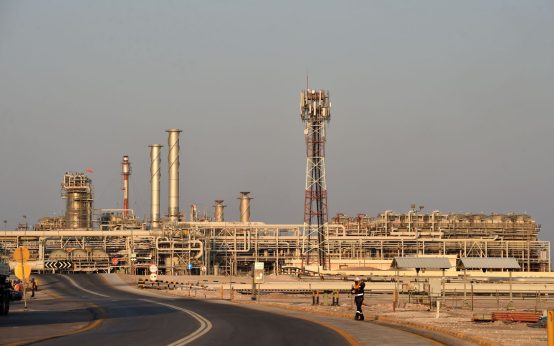 Saudi Arabia Faces Oil Export Challenges After Pipeline Closure
 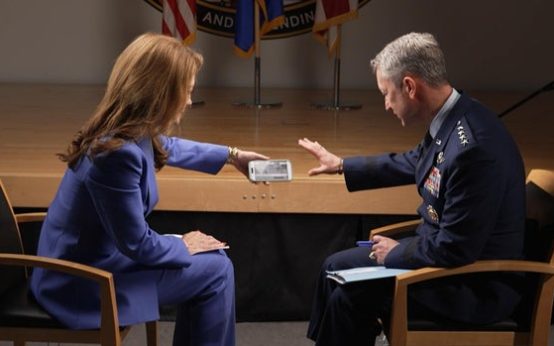 Daring Rescue of U.S. Air Force Officers in Iran